'Balik kampung' made easy: 6 ways the ECRL is rewriting how Malaysians travel
What once felt like a distant idea, a railway linking Kota Bharu to Terminal Bersepadu Gombak, is fast becoming part of Malaysia’s everyday travel reality.
EAST COAST RAIL LINK
FOR most Malaysians, travelling between the East Coast and the Klang Valley has always come with trade-offs. Do you commit to a six-hour drive or pay for a flight? Leave straight after work on Friday, or wait until Saturday morning? How many leave days can you really spare?
These small but familiar decisions quietly shape how we travel, when we go home, how long we stay and sometimes, whether the trip feels worth making at all. With the East Coast Rail Link (ECRL) over 91 per cent complete, that familiar back-and-forth may not be necessary much longer.
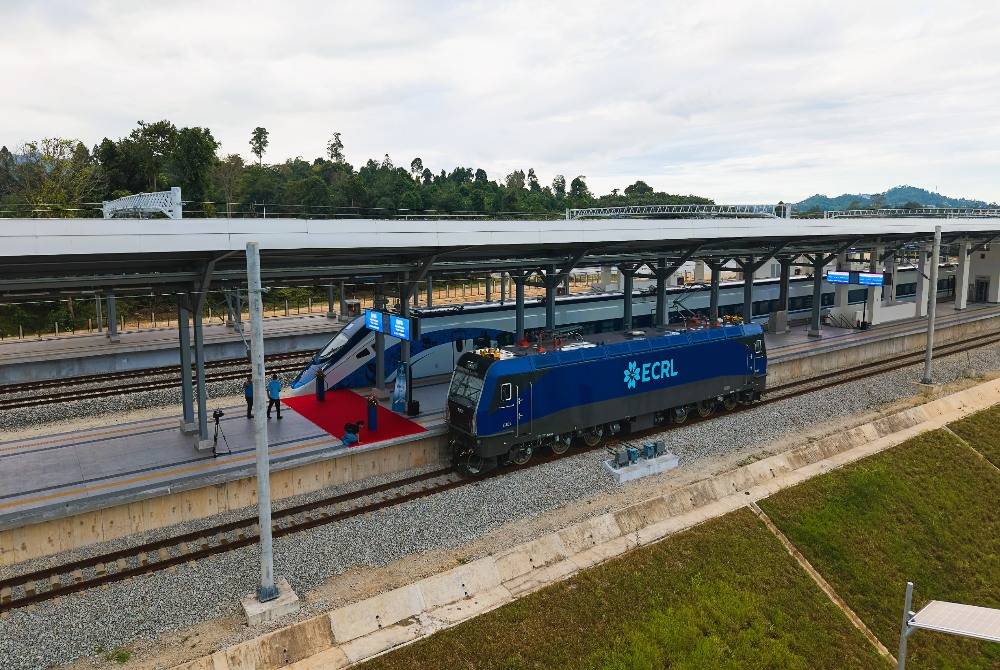
The recent arrival of the Electric Multiple Unit (EMU) for passenger and electric locomotive (E-loco) for freight marks a major milestone as the project moves into its final phase toward commercial operations in January 2027. What once felt like a distant idea, a railway linking Kota Bharu to Terminal Bersepadu Gombak, is fast becoming part of Malaysia’s everyday travel reality.
Here’s how that shift is beginning to take shape:
1. Balik kampung starts to feel more manageable
Once operational, the ECRL will connect Kota Bharu directly to the Klang Valley via Terminal Bersepadu Gombak, forming a 665-kilometre link between the East Coast and the Klang Valley.
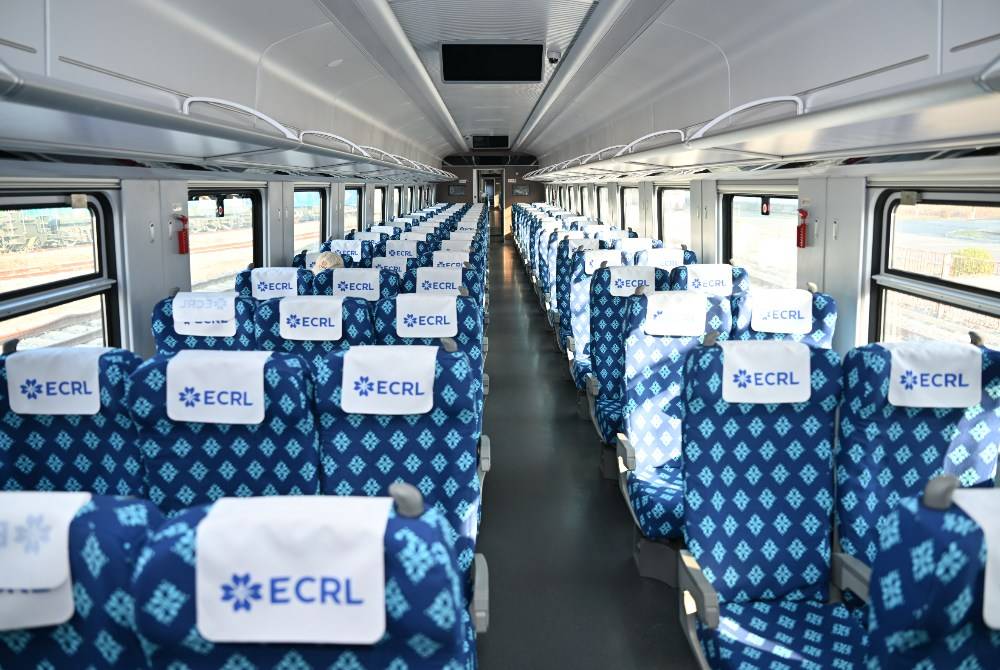
The new six-car EMU is designed to run at speeds of up to 160 km/h, with maximum capacity of 425 passengers per set. That changes the equation completely.
Instead of bracing for traffic congestion during Chinese New Year or Hari Raya, families may soon be boarding a modern train built for comfort and efficiency. Balik kampung becomes less about endurance and more about connection.
2. Shorter trips suddenly make sense
For young professionals working in the Klang Valley, frequency matters more than grandeur.
When trains are comfortable, reliable, and designed for efficiency, even a simple Friday-to-Sunday trip feels viable. With the ECRL’s express service expected to complete the journey between Gombak and Kota Bharu in just four hours, what once required careful planning could soon fit comfortably within a weekend.
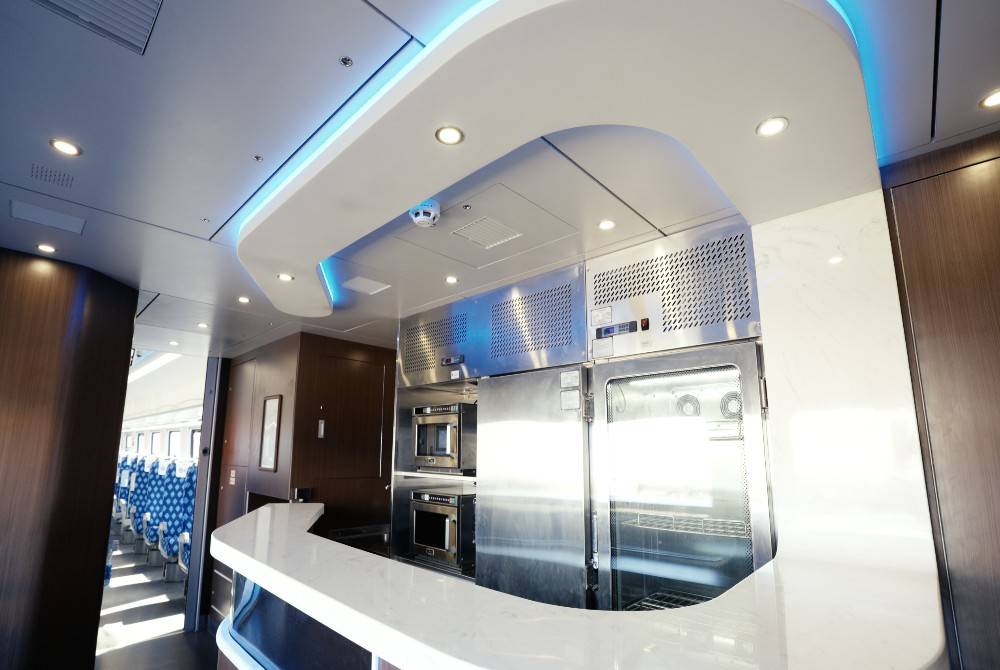
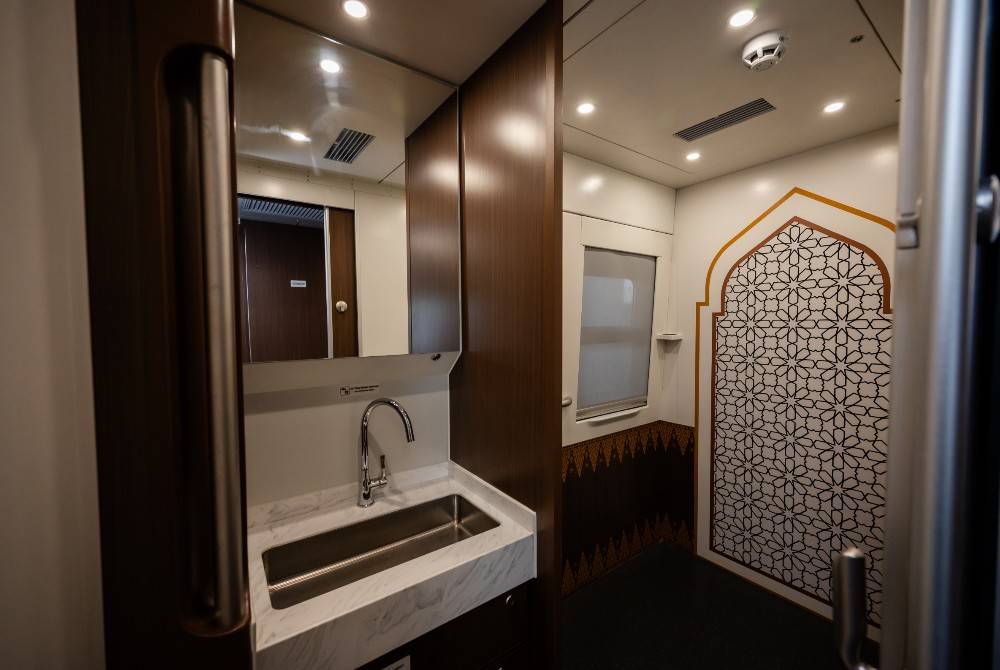
The ECRL passenger trains are equipped with practical onboard facilities including toilets, luggage racks, food and beverage counters, surau with ablution facilities and special needs friendly features.
These details matter. They allow travel to fit more naturally into everyday life. They make travel feel easier, not exhausting. When distance shrinks mentally, visits home become more regular.
3. East Coast getaways feel closer than before
The East Coast, with its beaches, heritage towns, keropok lekor, and laid-back coffee shops, has always been worth visiting. Rail connectivity reframes these destinations from “long weekend only” to “why not this weekend?”
Passenger travel is only part of the story. The project also introduces freight trains capable of hauling up to 3,500 tonnes per journey, pulling as many as 45 wagons. This strengthens logistics between the East Coast and Klang Valley, supporting economic vibrancy across the corridor.
A more connected region naturally feels more accessible, for tourism and beyond.
4. Stations become part of the experience
One of the more thoughtful aspects of the ECRL lies in how its stations are being designed. Rather than purely functional spaces, they are shaped to reflect where they are.
Kota Bharu Station, for example, draws from traditional Kelantanese forms such as Rumah Meleh Melayu and Bunga Ketam Guri. These elements are woven into the design from the outset, giving the
station a clear sense of place. From the moment passengers arrive, there is a visual cue that says: this is Kelantan.
When stations feel recognisable rather than generic, they become more than transit points. Over time, they turn into civic spaces and local landmarks, places people identify with and take pride in.
5. Travel feels easier for more people
Design details play a big role in shaping how welcoming rail travel feels. Lifts, escalators, covered walkways, and clear pick-up and drop-off areas help make stations intuitive to navigate.
These features matter for elderly travellers, families with children, and anyone travelling with luggage. When stations are easy to use, taking the train starts to feel like a normal part of everyday travel, not something unfamiliar or intimidating.
6. Having another option changes how we move
Many Malaysians enjoy driving, especially for road trips where the journey itself is part of the experience. At the same time, there are moments when having an alternative feels just as valuable.
With the ECRL’s electrified systems already being activated and tested, rail travel is designed to be reliable and comfortable. Passengers can read, rest, or simply watch the scenery pass by, arriving feeling more present and ready to enjoy their time. It’s not about replacing the drive, but about having a choice that suits different needs and moments.
For updates as the ECRL moves closer to operation, follow ECRL’s official social media channels for the latest progress.
Download Sinar Daily application.Click Here!


