Drug sale on social media? We understand the alarm and are acting, says police
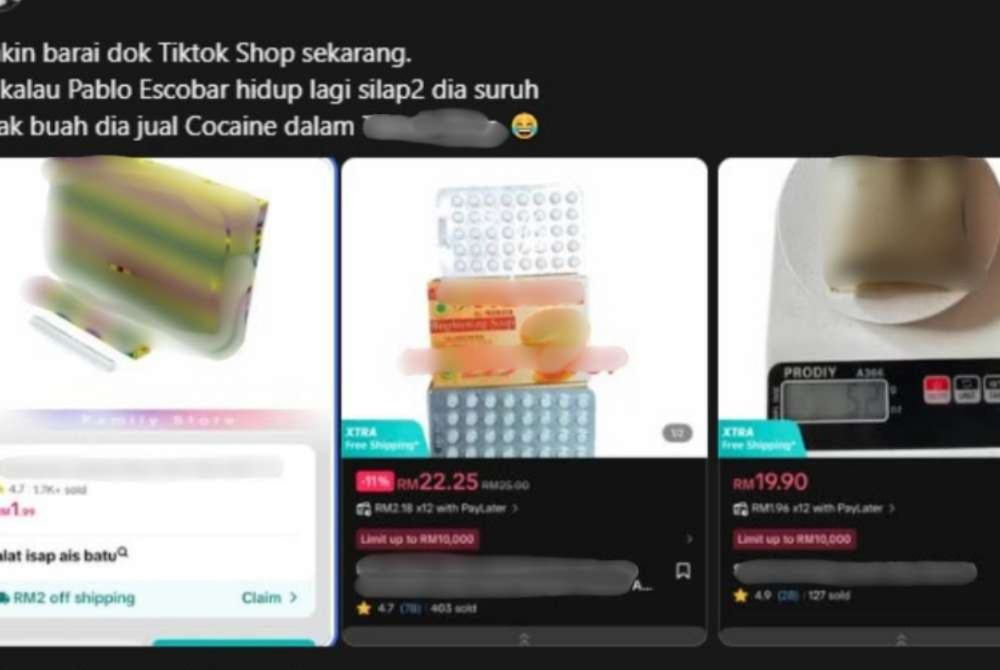
A widely shared post on Threads recently raised alarm over the apparent ease with which illegal items were being marketed, including drug-laced e-vape products, ketum powder, pills and paraphernalia used to consume prohibited substances.


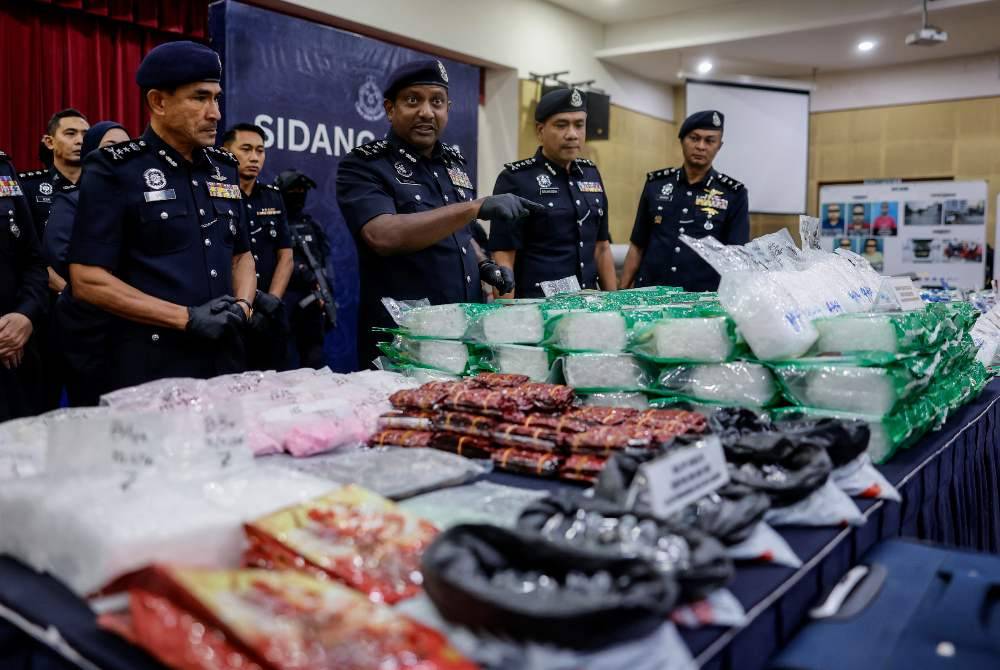
SHAH ALAM – The sale of drugs through social media platforms remains an ongoing tactic used by criminal syndicates, despite sustained enforcement and monitoring by the police.
Narcotics Criminal Investigation Department (NCID) Director Commissioner Datuk Hussein Omar Khan said investigations and arrests had been carried out under various laws after suspects were found marketing drugs online and distributing them via courier services.
“The NCID has identified persistent attempts by individuals and criminal syndicates to exploit social media platforms, including Facebook, Instagram and Telegram, for illicit activities,” he said when contacted recently.
“This trend has also extended to e-commerce platforms such as Lazada, TikTok Shop and Shopee, which are being misused to facilitate prohibited transactions.”
Hussein was responding to growing public concern following viral posts on social media highlighting the alleged sale and promotion of illegal drugs and prohibited substances online.
A widely shared post on Threads recently raised alarm over the apparent ease with which illegal items were being marketed, including drug-laced e-vape products, ketum powder, pills and paraphernalia used to consume prohibited substances.
The post alleged that sellers were employing deceptive tactics, such as displaying images of harmless consumer goods like papaya soap while concealing pills inside the packaging, or mislabelling products with false descriptions to evade detection.
According to the post, some listings offered paraphernalia used to inhale or consume illegal substances at prices as low as RM2, while pills suspected to be drugs were allegedly sold for under RM25 under the guise of papaya soap, complete with misleading packaging and inaccurate product descriptions.
It also claimed that red ketum powder was being marketed under inappropriate names, such as “pamoga powder” and sold for as little as RM20 despite being an illegal substance.
Hussein said the police understood the alarm raised by social media users and stressed that the department had established a specialised CyberNarco Intel Unit to monitor and counter drug-related activities online.
“Such tactics are not new and reflect the evolving modus operandi of drug trafficking syndicates adapting to digital environments,” he said.
He added that prohibited substances were often disguised as ordinary consumer products, with sellers using coded language, misleading images and false product descriptions to evade detection.
Hussein said the NCID consistently collaborated with the Malaysian Communications and Multimedia Commission (MCMC) to curb and suppress the proliferation of online drug advertising and trafficking.
Through intelligence-led operations and online monitoring, investigations had been initiated under the Dangerous Drugs Act 1952 and the Poisons Act 1952.
He said arrests had been made involving individuals who attempted to distribute drugs via courier services after promoting them online, adding that investigations into wider networks were ongoing.
According to Hussein, the department’s Social Media Unit recorded several enforcement successes in 2025, including the arrest of one man under Section 12(3) of the Dangerous Drugs Act 1952 and Section 30(3) of the Poisons Act 1952; one civil servant under Section 39B of the Dangerous Drugs Act 1952; and five other men under the same section.
He said a total of 47 online accounts linked to drug distribution were detected that year, of which 43 were taken down in collaboration with the MCMC. Two individuals were subsequently charged in court.
“Through close collaboration with the MCMC, 43 of these accounts were successfully subjected to content takedown action,” he said.
“In terms of prosecution, two individuals have been formally charged in court in connection with these offences.”
Hussein added that between January and February this year, 16 online accounts linked to drug-related activities had been identified, with five successfully blocked. Investigations were ongoing to trace and apprehend those involved.
He said challenges in investigating online drug sales included anonymous accounts, the frequent deletion of digital evidence, encrypted communications, coded marketing tactics and cross-border elements.
Commenting further on viral posts highlighting alleged drug sales on TikTok and TikTok Shop, Hussein reiterated that the police understood public concerns over listings involving drug-laced e-vape products, ketum powder, pills and drug paraphernalia.
He again urged members of the public to report suspicious online activity to the nearest police station or through official channels, stressing that cooperation with regulators and platform providers remained crucial in curbing online drug trafficking.
Download Sinar Daily application.Click Here!