Rohingya pay full foreign rates at public hospitals, says Dzulkefly
On healthcare costs involving foreign nationals, Dzulkefly said outstanding medical bills declined to RM33.46 million in 2024 from about RM35 million in 2023, while the figure recorded last year stood at RM30.57 million.

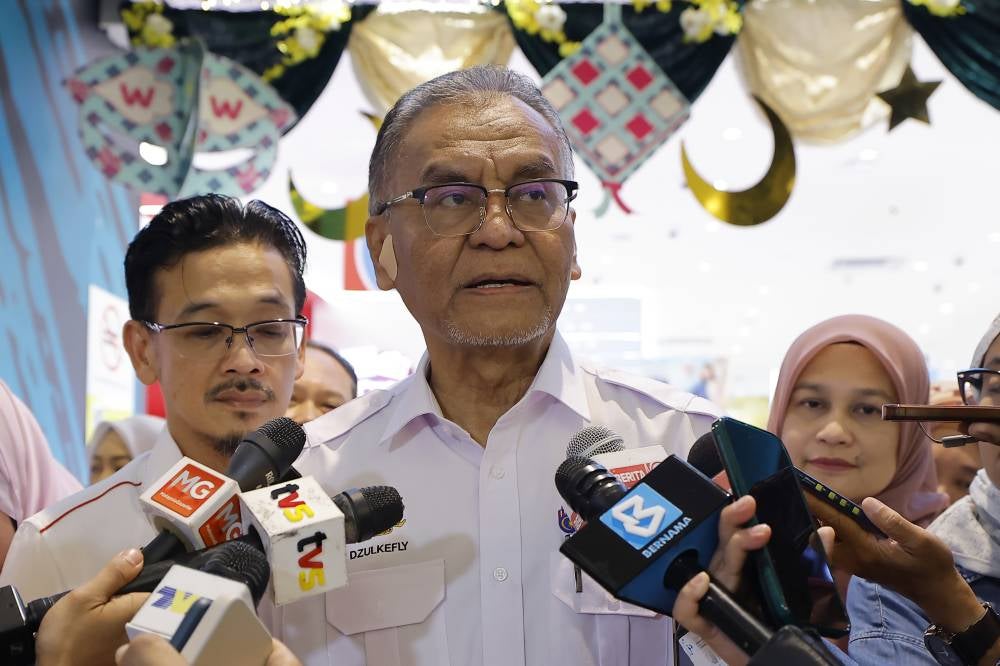
PUTRAJAYA - Rohingya refugees are not exempt from medical charges and are subject to the same rates imposed on other foreign nationals at public healthcare facilities, Health Minister Datuk Seri Dr Dzulkefly Ahmad said today.
He said foreigners, including Rohingya, do not receive healthcare subsidies enjoyed by Malaysians and are charged higher rates for treatment at government hospitals and clinics.
"I have explained before that foreigners are not subsidised. They are not exempt from charges and pay significantly higher rates than Malaysians.
"For example, foreign patients are charged RM120 for specialist outpatient treatment, whereas Malaysians pay RM5 to see a specialist and RM1 to consult a doctor,” he said.
He was speaking at a press conference after witnessing the signing of a memorandum of understanding (MoU) between the Health Ministry and the Malaysian Communications and Multimedia Commission (MCMC) on the National Digital Health Ecosystem and Connectivity Catalyst (PERSADA) initiative here today.
He was commenting on concerns raised following viral claims regarding treatment costs involving foreigners, including Rohingya.
On healthcare costs involving foreign nationals, Dzulkefly said outstanding medical bills declined to RM33.46 million in 2024 from about RM35 million in 2023, while the figure recorded last year stood at RM30.57 million.
He said the ministry had tightened collection measures, including requiring deposits before treatment in certain cases and taking follow-up action against employers who fail to settle medical bills incurred by their foreign workers.
The ministry also works with the Immigration Department, the United Nations High Commissioner for Refugees (UNHCR) and non-governmental organisations (NGOs) to help finance treatment for foreigners who are unable to pay, he added.
"As the Health Ministry, we practise an emergency care policy. When they come, we treat them first, but we follow through to recover the payment,” he said.
Meanwhile, commenting on claims of an influx of Rohingya seeking treatment at government healthcare facilities, Dzulkefly said the ministry had not detected any unusual increase.
"I do not see anything beyond the normal baseline. There may be a perception at the moment that attention is focused on the Rohingya issue, but we have not observed any extraordinary surge,” he said. - BERNAMA
Download Sinar Daily application.Click Here!