Children should stay with imprisoned mothers until age five, groups say
Most children at that age are still in early developmental stages and highly dependent on their emotional bond with their mothers.
ROSKHOIRAH YAHYA NORAFIDAH ASSAN
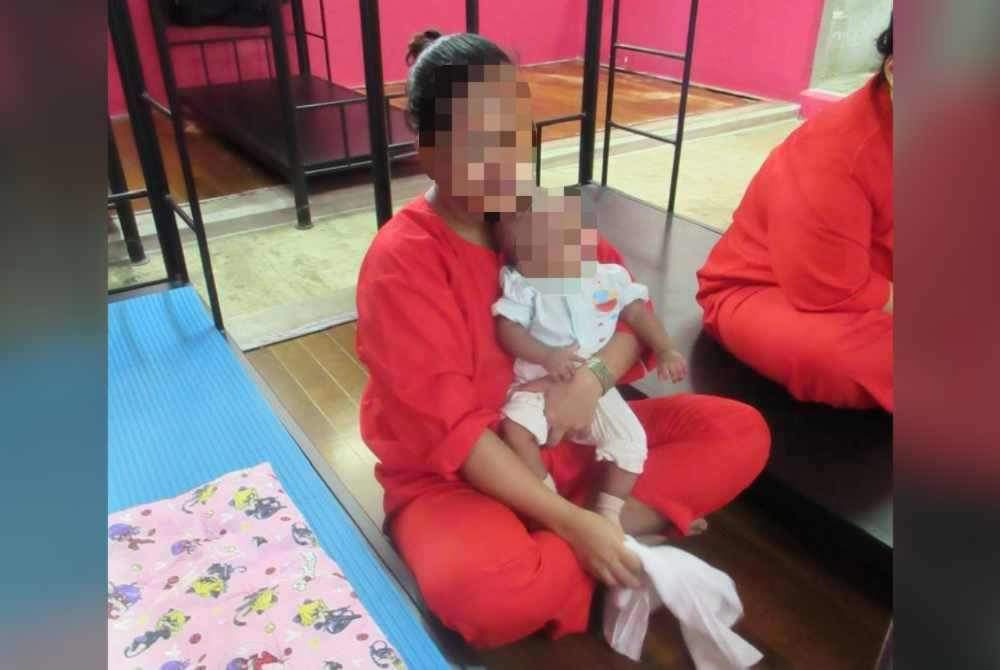
SHAH ALAM – The current three-year age limit allowing children to live with their mothers in prison should be reviewed, amid concerns that separating children at such an early age could harm their emotional development.
Persatuan Wanita Inspirasi Negara Malaysia (WIN) has proposed extending the age limit to five years old, while the Human Rights Commission of Malaysia (Suhakam) has recommended that Prison Regulations 2000 be amended so that every decision is made based on the best interests of the child.
WIN president Norhimah Aziz said the three-year period was too short, as most children at that age are still in early developmental stages and highly dependent on their emotional bond with their mothers.
"It should be reviewed with a more flexible, case-by-case approach, or by raising the age limit to a more appropriate level based on expert assessment.
"In my view, five years may be a more suitable age, as children at this stage are better able to adapt, are growing more independent and can interact and socialise with others.
"Unlike at three years old, children are still in a learning phase where most of their behaviour and actions are heavily influenced by their emotional attachment to their mothers," she told Sinar.
She added that ongoing support for mothers after their children are separated from them, or after their release, also needs to be strengthened through reintegration programmes covering temporary housing, trauma counselling, skills training and motivational guidance.
Norhimah said child custody arrangements and employment opportunities are equally important in helping former inmates rebuild their lives and reducing the risk of reoffending.
Reflecting on the experiences of mothers who have raised children in prison, Norhimah said most were grateful to be able to care for and breastfeed their own children, but at the same time faced anxiety over their children's future once separated.
"Mothers also risk experiencing trauma from the separation, facing social stigma and ongoing worry about their children's future after being apart. Post-incarceration support programmes therefore need to be expanded and collaboration with NGOs strengthened to ensure a more holistic rehabilitation process," she said.
Meanwhile, Suhakam recommended that Regulation 13 of the Prison Regulations 2000 be reviewed so that the three-year age limit is not applied automatically, but instead takes into account the best interests of the child.
It said specific guidelines also need to be established for pregnant women, breastfeeding mothers and children living with their mothers in prison.
"Every decision must be made based on the best interests of the child, not solely on age or prison procedure," it said.
Suhakam said visits and monitoring had identified key concerns including children's health, adequacy of food and milk, insufficient play areas, the unsuitability of the prison environment and the emotional impact of separating children from their mothers.
It said the post-release period is a critical phase and recommended that every child have a transition plan in place before being released, including identifying a guardian, a place of residence and a mechanism to maintain contact with the mother.
Download Sinar Daily application.Click Here!