What is Selangor's halal-non-halal waste policy and why is it controversial?
The terms ‘halal’ and ‘non‑halal’ are not standard operational categories in waste management.
NATASYA AZHARI
AT A GLANCE
- A long-standing Selangor planning guideline requiring the separation of halal and non-halal waste in commercial developments has sparked widespread public confusion and political debate.
- Critics and political leaders argue the policy lacks practical or environmental benefits, adding administrative burdens while distracting from urgent bread-and-butter local issues.
- The Selangor state government clarified the 2010 policy applies only to central refuse rooms in commercial spaces, not public bins, and has committed to a comprehensive review with key stakeholders.
A REQUIREMENT to separate ‘halal’ and ‘non-halal’ waste in Selangor has triggered confusion and political debate, raising questions about how religious considerations are applied in everyday systems like waste management.
The issue has drawn criticism from opposition leaders, while the state government has moved to clarify that the policy is not new and is being reviewed following public concern.
What is the policy about?
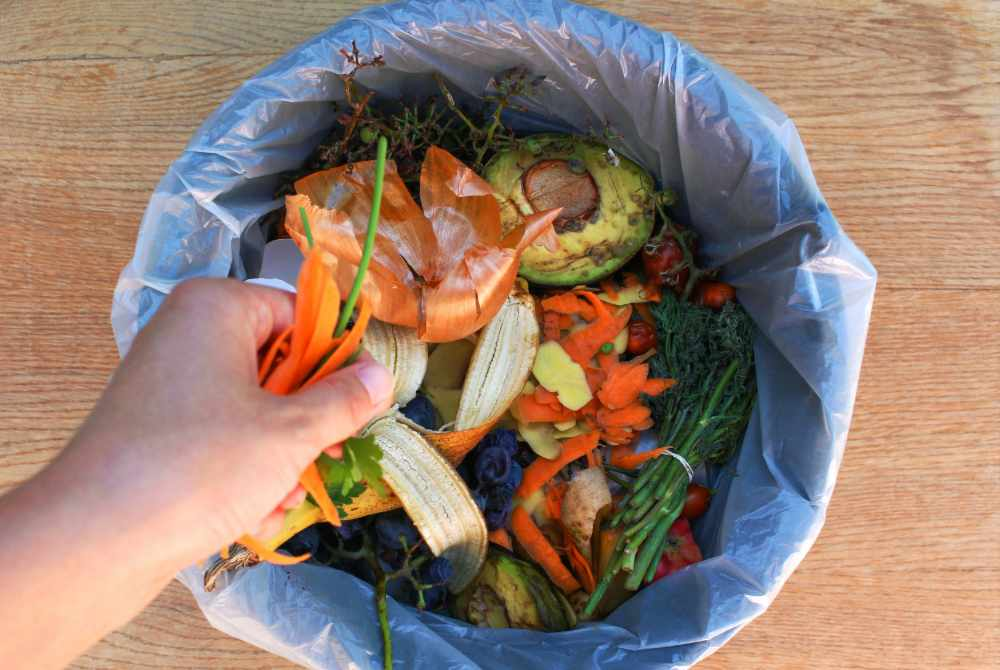
The policy is part of Selangor’s planning guidelines for commercial developments such as malls and hypermarkets, requiring designated waste collection areas to separate ‘halal waste,’ ‘non-halal waste’ and recyclables.
State authorities have stressed that this is not a new policy, but a long-standing provision introduced in 2010 and applies only to refuse rooms and central waste collection points, not to public bins used by everyday consumers.
What does ‘halal’ and ‘non-halal’ waste mean?
In principle, the distinction reflects how food is classified under Syariah law.
Halal waste typically refers to discarded items originating from permissible food sources, while non-halal waste involves materials derived from items prohibited in Islam, such as pork or alcohol-related products.
While this type of classification is standard in food preparation and certification, its application at the waste disposal stage is uncommon and not widely practised.
Why has it become controversial?
The terms ‘halal’ and ‘non‑halal’ are not standard operational categories in waste management. Practically, once food is discarded it often mixes or becomes contaminated, making precise classification difficult without strict source labelling and parallel handling across the entire logistics chain.
Critics argue the policy distracts from urgent local priorities, such as flood mitigation, clogged drains, traffic congestion, inefficient collection systems and the rising cost of living and that it imposes administrative burdens as well as potential extra costs on developers, mall operators and consumers.
What have political actors said?
Selangor Wanita Malaysian Chinese Association (MCA) chairperson Tee Hooi Ling issued a statement criticising the guideline as confusing and urging the Selangor government to immediately clarify its rationale and underlying basis. She said the state should prioritise bread-and-butter concerns and reassess planning policies that involve sensitive social issues.
MCA Youth Selangor chief Tan Jie Sen said the state government has not addressed the central issue behind the controversy.
He said Malaysians are not questioning whether the guideline is new or old, but rather what practical or environmental benefit is achieved by separating waste into ‘halal’ and ‘non-halal’ categories.
He added that waste segregation policies are typically justified by environmental goals such as improving recycling efficiency and reducing costs, but said no evidence has been provided to show similar benefits in this case.
Tan also said the guideline should be reviewed, noting that policies must remain effective, practical and evidence-based, regardless of how long they have been in place.
Why does it matter politically and socially?
Beyond operational considerations, the guideline has also become a symbolic point of contention in a multi-ethnic society, shaping perceptions of government priorities and inclusivity. The debate highlights the challenge faced by state authorities in balancing technical environmental management with religious sensitivities and day-to-day governance needs.
Selangor’s response, whether through clearer explanations, revised wording or policy adjustments, will likely shape public confidence, influence political dynamics and set a precedent for how socially sensitive technical regulations are handled in the future.
What happens next?
Selangor exco Ng Suee Lim said the state government will re-examine the guideline together with relevant stakeholders and agencies, including input from businesses, NGOs and industry players, to improve clarity and practicality in line with national policy.
The outcome is expected to either produce clearer definitions with a more limited scope of application or a revised framework that retains the separation concept but removes the ambiguity that sparked public concern.
Download Sinar Daily application.Click Here!