Long-term NRW reduction requires infrastructure renewal, technology and stronger governance - SPAN
Pipe replacement remains a critical component of NRW reduction, particularly for ageing assets that contribute significantly to water losses.


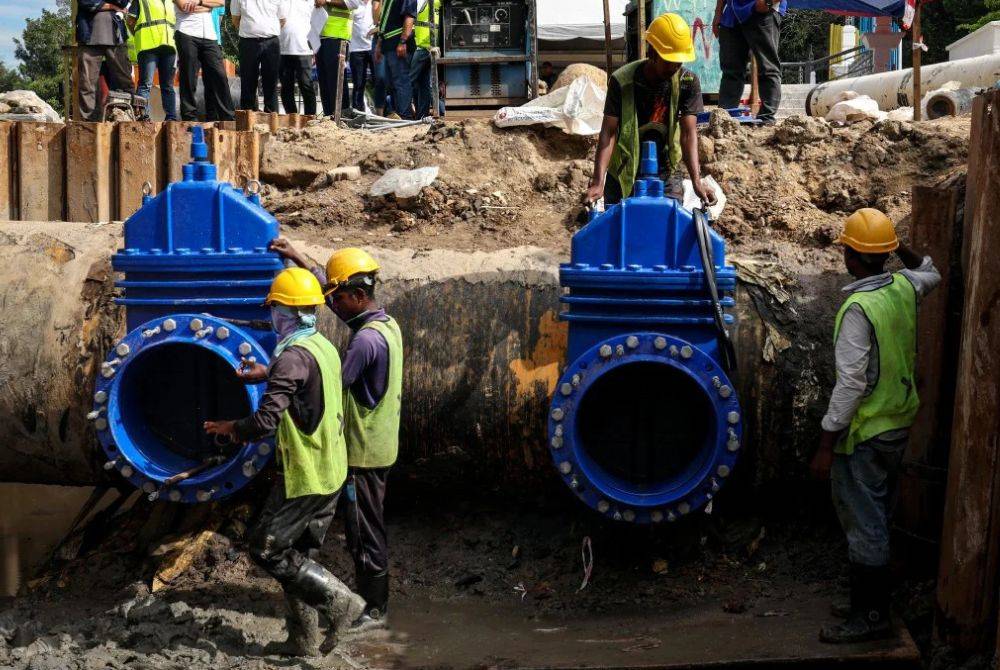
SHAH ALAM - Malaysia’s battle against Non-Revenue Water (NRW) requires more than replacing ageing pipelines, with the National Water Services Commission (SPAN) calling for a comprehensive approach combining infrastructure renewal, operational improvements, technology adoption and stronger governance.
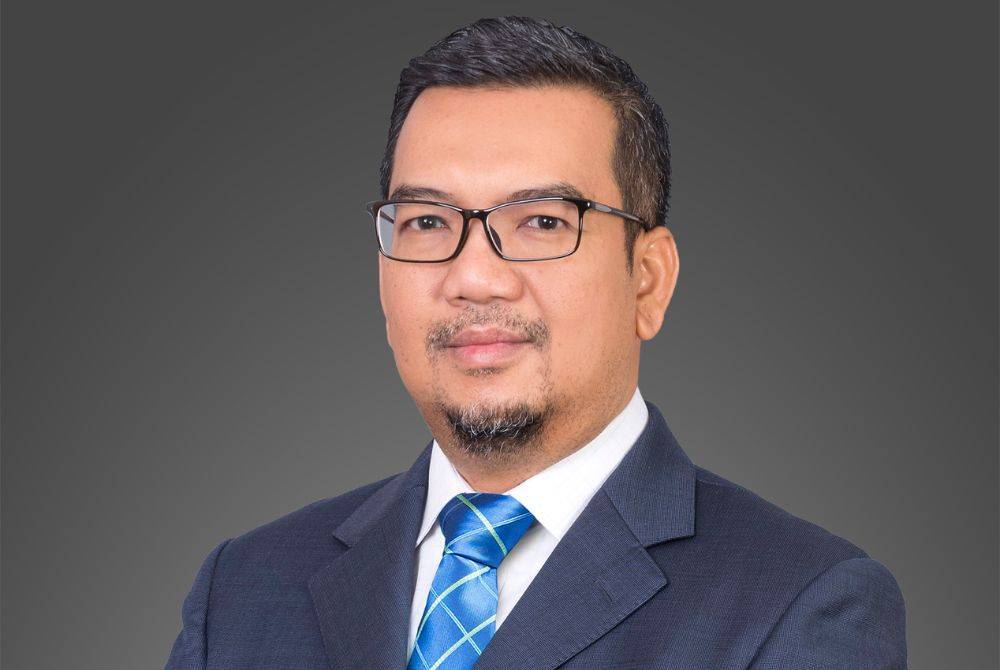
SPAN chief executive officer Datuk Ahmad Faizal Abdul Rahman said pipe replacement remains a critical component of NRW reduction, particularly for ageing assets that contribute significantly to water losses.
However, he stressed that replacement programmes must be implemented strategically because of the substantial investment required.
“From a long-term perspective, SPAN believes NRW reduction should be driven by a balanced approach that includes infrastructure renewal, effective management, technology adoption and stronger governance.
“Pipe replacement, especially for critical sections that offer the greatest impact on NRW reduction, service reliability and consumer benefits, should be prioritised.
“Ageing pipes, particularly asbestos cement (AC) pipes, are a major source of water losses. However, given the high cost involved, replacement works must be carried out progressively based on priority and criticality,” he said in an interview with Sinar Daily.
Faizal stressed that replacing old pipes alone would not solve Malaysia’s NRW challenge.
Water operators must continue implementing measures such as active leak detection, pressure management, District Metered Areas (DMA), meter replacement programmes and the identification of illegal connections to minimise losses across the distribution network.
He added that technology can significantly improve NRW management, provided it is supported by adequate infrastructure, reliable data and skilled personnel.
“Technology plays an important role, but its adoption must take into account the financial capacity of operators, the readiness of existing infrastructure and the capability of personnel managing the systems. It can only deliver meaningful results when supported by strong fundamentals.
“Therefore, SPAN supports strengthening core systems such as Geographic Information System (GIS) mapping, District Metered Areas, pressure management and NRW management software before moving towards more advanced solutions such as smart metering, hydraulic modelling, digital dashboards and predictive analytics,” he said.
GIS mapping helps operators understand the location, condition and characteristics of water assets, while DMA systems divide distribution networks into smaller zones to improve monitoring of water flow, pressure and losses.
Faizal also said that effective governance is equally important to ensure NRW reduction remains embedded in day-to-day operations rather than being treated as a short-term initiative.
“SPAN will continue supporting operators through KPI monitoring, business plan reviews, technical engagements, audits and assessments to ensure NRW reduction is integrated into operational planning, investment decisions and service performance management.
“At the same time, affordability must remain a key consideration. While the Federal Government currently provides significant funding for NRW reduction programmes, including pipe replacement projects, this model is unlikely to be sustainable over the long term.
“The sector requires a more balanced funding framework driven by greater operator efficiency, improved cost recovery through tariffs and targeted government assistance where necessary, while ensuring consumers continue to receive reliable and affordable water services,” he mentioned.
Malaysia’s NRW challenge has long been linked to ageing infrastructure, particularly old pipelines that are more susceptible to leaks, bursts and failures.
Water sector experts previously told Sinar Daily that large volumes of treated water are lost before reaching consumers, resulting in billions of ringgit in forgone revenue each year.
Former SPAN chairman Charles Santiago has highlighted that about 39,000 kilometres of AC pipelines will eventually need replacement, while calling for stronger political commitment, transparent long-term financing mechanisms and closer coordination between federal and state governments.
Universiti Putra Malaysia water engineering expert Associate Professor Dr Syazwani Idrus has similarly emphasised that reducing NRW requires both infrastructure upgrades and the adoption of technologies such as smart meters, acoustic leak detection systems, pressure management tools and predictive analytics.
Faizal said the ultimate goal is to create a sustainable NRW management ecosystem where infrastructure investment, operational efficiency, technology and regulatory oversight work together to strengthen the country’s long-term water security.
Download Sinar Daily application.Click Here!