Filipinos accuse Israelis of 'occupying' protected Siargao as locals push back
Locals interviewed in an AJ+ report described the situation as a form of neocolonisation, alleging that Israelis arriving on tourist visas are increasingly attempting to establish a more permanent presence on Siargao while, according to critics, disregarding local rules, communities and culture.
SINAR DAILY JOURNALIST
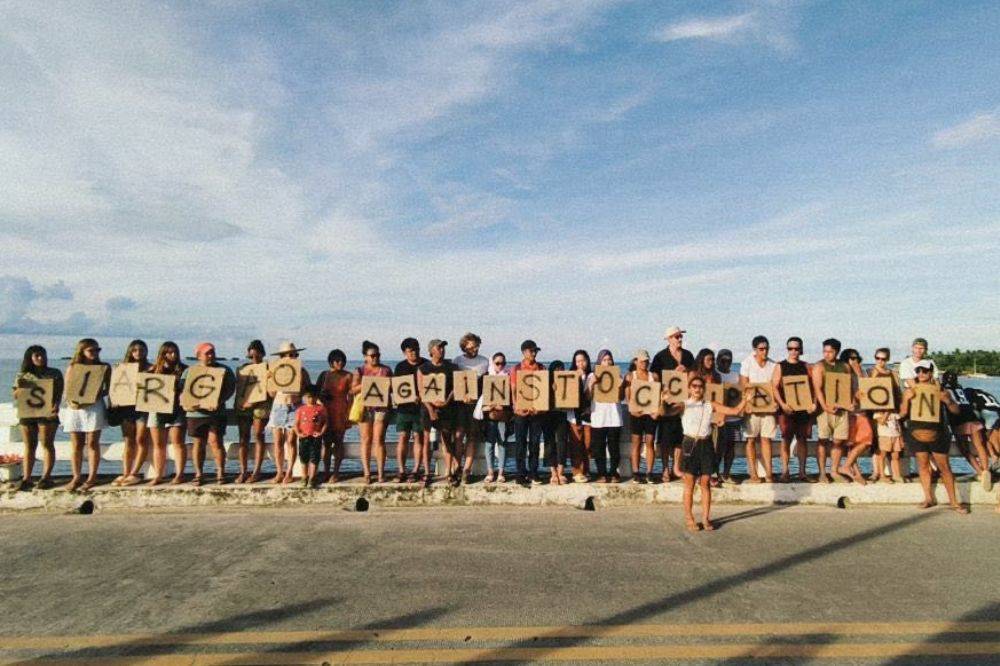
SHAH ALAM — What was once a protected island known for its marine life and close-knit communities has become the centre of growing controversy, with some Filipinos alleging that an influx of Israeli visitors is threatening their way of life.
Locals interviewed in an AJ+ report described the situation as a form of neocolonisation, alleging that Israelis arriving on tourist visas are increasingly attempting to establish a more permanent presence on Siargao while, according to critics, disregarding local rules, communities and culture.
The tensions have escalated from complaints over alleged disrespect and microaggressions to concerns over illegal construction, harassment, attacks on businesses and growing friction with the island's LGBTQ community.
Residents say the issue is not simply about tourism, but what they perceive as efforts by some visitors to establish long-term roots on the island.
“They’re on tourist visas, right, but their intention is not to be tourists. They’re trying to settle here,” Siargao activist Rich Tuason told AJ+ in the interview.
For communities that have lived on the island for generations, the rapid influx has created a sense of displacement and powerlessness.
“It makes us feel very displaced and disrespected and almost helpless. We’ve been here centuries and suddenly this new group of people is trying to insert themselves,” she added.
One of the most contentious developments has been the establishment of a Chabad House, described in the report as a Hasidic Jewish community centre that opened in August 2023 to serve the island's growing Israeli visitor community.
Tuason questioned whether the establishment had the necessary permits to operate, while also complaining about parties continuing into the early hours and disrupting neighbouring communities.
Despite protests, she said the owners continued expanding the Chabad project. However, the concerns go beyond noise, permits or tourism.
Tuason accused the community centre of openly marketing itself as a retreat for Israeli military personnel returning from war.
“One very big problem we have with community centres like the Chabad House is how they openly market themselves as a retreat for their armed forces."
The concern, the activist argued, is that soldiers returning from military service are being sent to countries including Thailand and India to “blow off steam”, while local communities are left to deal with the consequences.
“My country is not prepared for this mental health crisis that they are dumping upon my people,” she said.
Echoing media reports over the past year, Tuason also highlighted what she described as unruly behaviour by some Israeli tourists among local Filipino communities and businesses.
The AJ+ report cited complaints alleging that some Israeli tourists refused to pay restaurant bills and referred to Filipino workers as “slaves”.
Tuason described what she sees as a broader pattern of cultural superiority.
“There’s a huge tendency for them to disrespect people of other cultures,” she said, alleging that some Israelis talk down to Filipinos and other Asians and treat them as lesser.
For residents, these incidents have become part of a larger fear that the island’s identity is being pushed aside by wealthy or foreign newcomers.
To them, Siargao is also more than a tourist destination — it is home. The island and its surrounding islets are also officially designated as the Siargao Island Protected Landscape and Seascape (SIPLAS), the largest marine protected area in the Philippines.
It was proclaimed under Proclamation No. 902 via the National Integrated Protected Areas System (NIPAS) Act on Oct 10, 1996.
Tuason said locals should not have to surrender their communities, culture or protected environment to accommodate an influx of foreigners.
The tensions reached another level in May when a group of Israeli tourists reportedly attacked a cafe on the island that displayed a Palestinian flag.
According to the report, one of the cafe’s Filipino owners was assaulted and the property was damaged.
The group allegedly returned on another day, broke into the cafe, vandalised the premises and assaulted the owners again before leaving.
For Filipinos already protesting what they describe as an increasingly aggressive Israeli presence, the alleged attack reflects broader concerns that extend beyond tourism and local development to the political and military situation surrounding Israel.
Israeli Ambassador to the Philippines Dana Kursh has previously described reported altercations involving Israeli tourists as isolated incidents and cautioned against judging the broader Israeli community based on the actions of a few individuals.
Residents of Siargao say they are resisting what they view as attempts by some foreign visitors to dominate the island's social and economic landscape, which they believe threatens the island's environment, culture and communities.
Their message, according to activists, is clear: being a tourist does not give anyone the right to dominate a community.
“We’ve been here centuries,” Tuason said, describing the feeling of suddenly having another group attempting to establish itself within the community.
As allegations of illegal expansion, harassment and violence continue to fuel tensions, residents say they do not intend to quietly accept what they see as an emerging form of foreign occupation disguised as tourism.
Earlier this year, the Philippine government renewed calls for responsible travel following a series of violent incidents involving foreign tourists on the popular surfing island, sparking concerns over visitor behaviour and local safety.
The Department of Tourism (DOT) and local officials in General Luna, the island’s primary tourism hub, reiterated a stricter code of conduct for visitors after back-to-back altercations disrupted the island’s peaceful reputation.
“We are proud to share our beautiful islands, culture, and hospitality,” the General Luna local government said in a statement.
“However, all tourists are expected to respect local laws, customs, and communities at all times.”
In response, Kursh downplayed the reported incidents, describing them as isolated cases that should not define the broader Israeli tourist community.
The DOT also stressed that Filipino hospitality should not be mistaken for tolerance of disrespect.
“We, Filipinos, are known for our warmth, but hospitality is not an invitation to disrespect our people, our culture, or our laws.
“When it comes to the law, no one gets special treatment. We stand in defense of Siargao’s tourism, but more than that, we stand in defense of Filipino dignity and welfare.”
Download Sinar Daily application.Click Here!