Explainer: How Jeju’s missing-person cases exposed gaps in South Korea’s police system
A police officer assigned to the case allegedly closed it within two hours without confirming Jang’s whereabouts.


THE discovery of several missing persons’ bodies on Jeju Island has triggered a wider examination of South Korea’s police procedures after an officer was accused of falsely closing two missing-person cases without confirming the individuals’ safety.
The controversy has since led to disciplinary action, nationwide reviews and renewed debate over police accountability as the country moves towards giving police greater control over criminal investigations.
How did the controversy begin?
The case centres on 37-year-old Jang Mi-ran, who disappeared from her home in Hallim-eup, Jeju City, on May 12. She left at about 10.15pm carrying only her mobile phone and her family reported her missing on May 15.
A police officer assigned to the case allegedly closed it within two hours without confirming Jang’s whereabouts. At 9.16pm that day, he recorded in the 112 system that he had contacted her.
Investigators later found no communication records supporting that claim. Her details were also removed from the police missing-person profiling system.
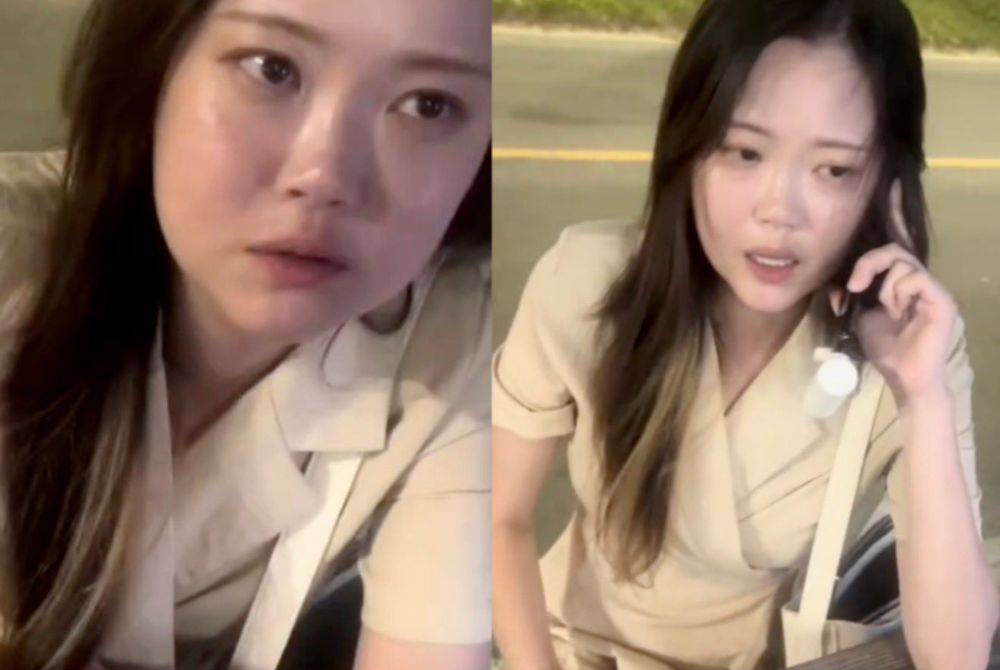
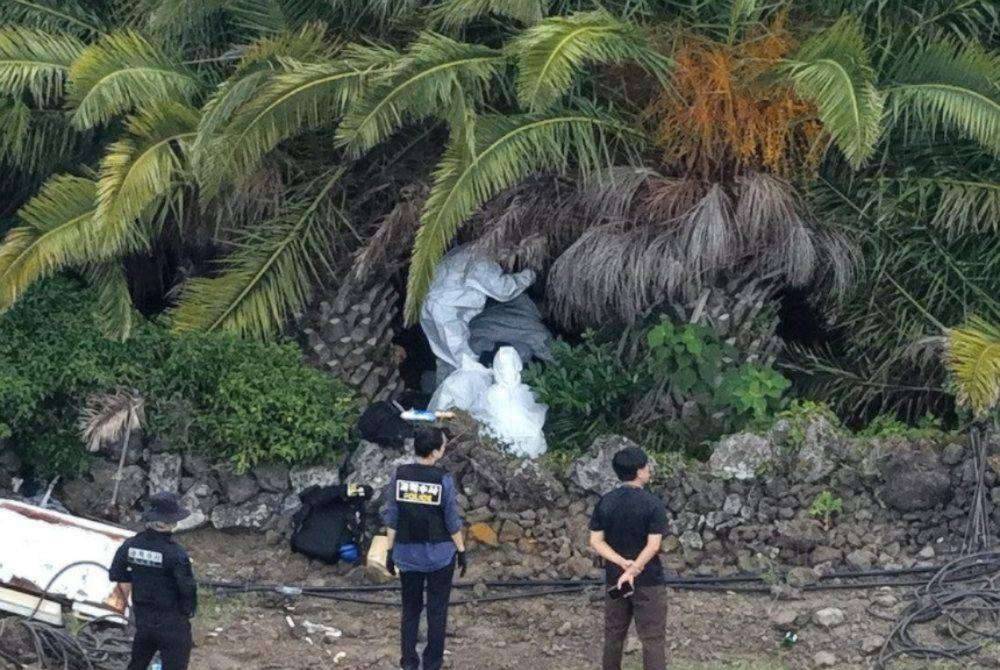
Jang’s body was eventually discovered on Aug 24, 104 days after she was reported missing, at a palm farm in Hallim-eup. An autopsy confirmed her identity and indicated that her position when found was consistent with death by hanging. Police said there was no evidence of foul play so far.
The case has also raised questions about the search effort. Police only began reviewing surveillance footage in the area 98 days after Jang was reported missing, by which time footage normally retained for about 30 days had been deleted.
Later, an average of 140 personnel a day were deployed to search around Hallim Port using mobile phone location data. Jang’s body was ultimately found about 400 metres from the accommodation where she had been staying.
A police official explained that the location was still within the relevant mobile base station area, saying, “The location where Jang’s body was found was also within the radius of a mobile base station covering Hallim Port, where we had been conducting searches.”
“In rural areas, mobile base stations are not installed as densely, so the radius covered by location data tends to be wider,” the official added.
A second case revealed
Investigators later discovered that the same officer had allegedly used a similar method to close another case involving a man in his 60s who was reported missing on July 2.
The officer allegedly told the man's family that he had contacted him and that the man did not want relatives to contact him. The case was then closed and the man's missing-person designation removed.
After reports about Jang’s case emerged, the family contacted police again on Aug 21. The man was found dead in Gujwa-eup on Aug 22.
Two other missing-person deaths were also recorded during the same period, although one was explicitly said to be unrelated to the officer. On Aug 22, a man in his 70s was found at sea in Jocheon-eup after being reported missing the previous day.
Another missing man, identified as Mr C, was found dead near a stream in Aewol-eup on Aug 22 after his family reported him missing on August 12.
The same officer reportedly mishandled the closure of more than 200 missing person cases.
Officer arrested, then released
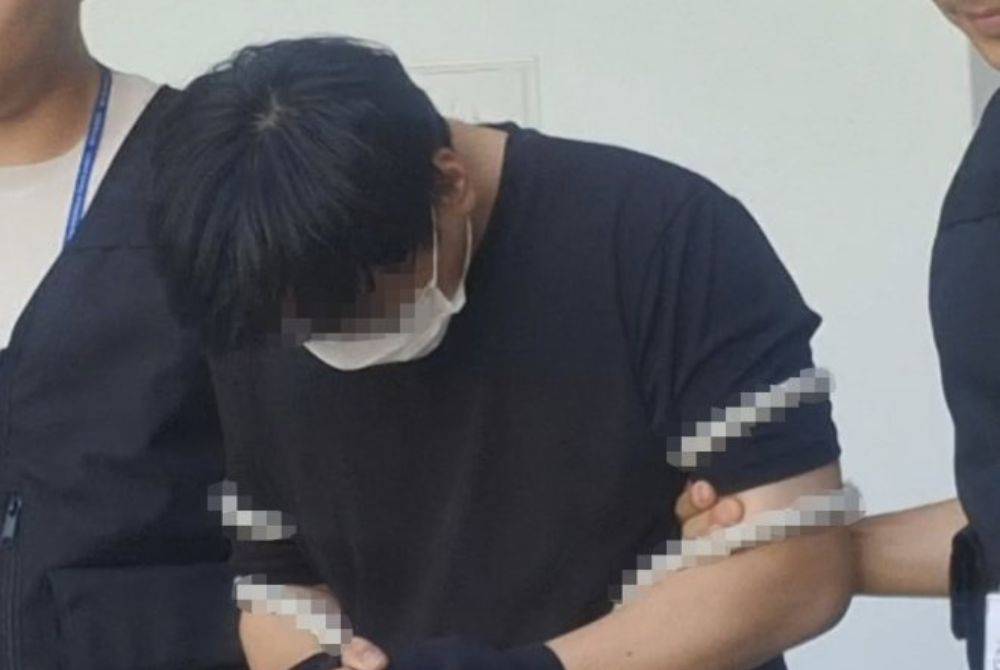
The officer, identified in later reports as a man in his 30s surnamed Bu, was arrested on Aug 22 on allegations including dereliction of duty, falsification and use of official electronic documents and obstruction of official duties by deception.
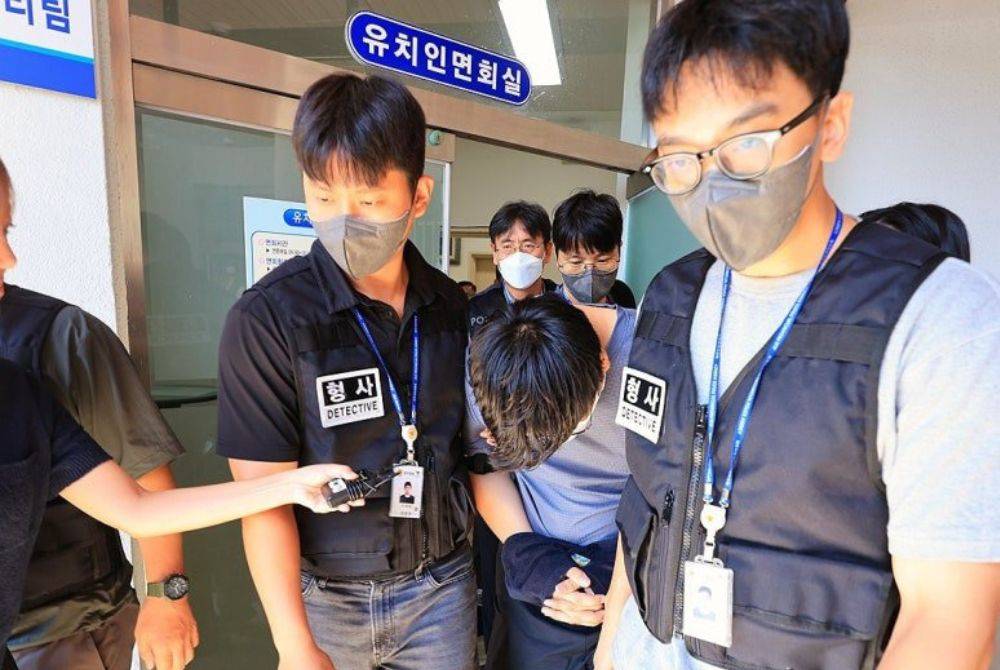
However, the Jeju District Court later granted his request for a review of the legality of his arrest and released him, finding that the requirements for emergency detention had not been met.
Police subsequently applied for a formal arrest warrant.
The fallout also reached senior officers. On Aug 25, four officers in the chain of command at Jeju Seobu Police Station were removed from their duties pending an internal investigation. They included the station's current and former chiefs and two senior investigators.
Why is the police system under scrutiny?
The controversy has exposed concerns over the discretion available to individual officers when dealing with missing adults.
Under the existing system, supervisors can review whether a case was properly handled, but an investigating officer can remove a missing-person designation without prior supervisory approval.
Adult missing persons who are not children, people with intellectual disabilities or people with dementia are primarily handled under internal police rules.
The National Police Agency has since sought stronger safeguards, including requiring managers to verify information before a case is closed. Officers deleting missing-person records must also provide written explanations and report the reason for removal and the outcome.
Seoul police separately began reviewing about 92,800 missing-person reports filed and subsequently closed between Jan 2024 and Aug 2026. The review is expected to continue until the end of November.
Since Nov 2024, Seoul guidelines have required officers to verify a missing person's status through methods including an in-person meeting, video call or direct contact involving family members before closing a case.
Political fallout and calls for reform
The incident has become part of a wider debate over police powers. In July, South Korea's National Assembly, led by the ruling Democratic Party of Korea, passed a revision to the Criminal Procedure Act removing prosecutors' supplementary investigation powers.
Under the revised system, police would take sole responsibility for routine criminal cases from investigation through closure, while prosecutors would be limited mainly to filing and maintaining indictments.
Opposition People Power Party floor leader Jeong Jeom-sig criticised the reform.
“The push to destroy the justice system, including the abolition of prosecutors' supplementary investigation powers, must stop immediately.
“Otherwise, the government and the ruling party will be no different from an accomplice to further police case burials, fabrications and cover-ups.
“Public confidence in the police is shaking. Once the prosecution service disappears in October, case burials like this will only intensify,” Jeong added.
The ruling party said it would address the concerns. Democratic Party floor leader Han Byung-do emphasised that as police authority grows, so too must investigative capacity, accountability and transparency, along with democratic control over the process.
“We will not let this case spread into public anxiety and distrust toward the new criminal justice system,” he added.
President Lee Jae Myung also ordered a broader review of the police response and case-closure system.
“The president instructed authorities to thoroughly establish the facts surrounding the entire police investigation process, while also reviewing the overall system for closing cases and for command and supervision.
“The president also instructed police to come up with their own reform plan, including institutional improvements or more fundamental reform measures,” Presidential spokesperson Kang Yu-jung said.
Acting National Police Agency Commissioner Yoo Jae-seong apologised over the handling of Jang’s case, while National Office of Investigation head Hong Seok-ki also said, “I apologise to the public, and will reform the system so that something like this does not happen again.”
The Jeju cases have therefore moved beyond one officer's alleged misconduct. They have become a test of whether South Korea's police system has sufficient safeguards to ensure missing-person reports remain subject to proper verification, supervision and accountability.
Download Sinar Daily application.Click Here!