MCA’s reduced Melaka seat allocation exposes weakening influence within BN - Analysts
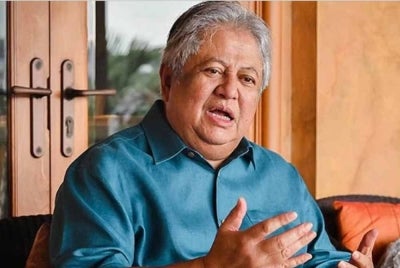
Political analyst Dr Oh Ei Sun said Umno’s decision to reduce MCA’s allocation from seven seats to two reflected the longstanding power imbalance within BN.


SHAH ALAM - MCA’s protest over its reduced seat allocation in Melaka highlights its diminishing influence within Barisan Nasional (BN), with political analysts warning that dissatisfaction among Chinese voters with DAP does not automatically translate into support for MCA.
Political analyst Dr Oh Ei Sun said Umno’s decision to reduce MCA’s allocation from seven seats to two reflected the longstanding power imbalance within BN.
“Since Tun Dr Mahathir Mohamad’s first term as prime minister in the 1980s, Umno has maintained a dominant position within BN, while MCA and MIC have remained junior partners. Umno has often made decisions without extensive consultation with its coalition partners and I do not believe this will be the last time it happens.
“Elections are about winning seats and I believe Umno calculated that reducing MCA’s allocation from seven seats to just two would improve BN’s overall electoral chances,” he said in an interview with Sinar Daily.
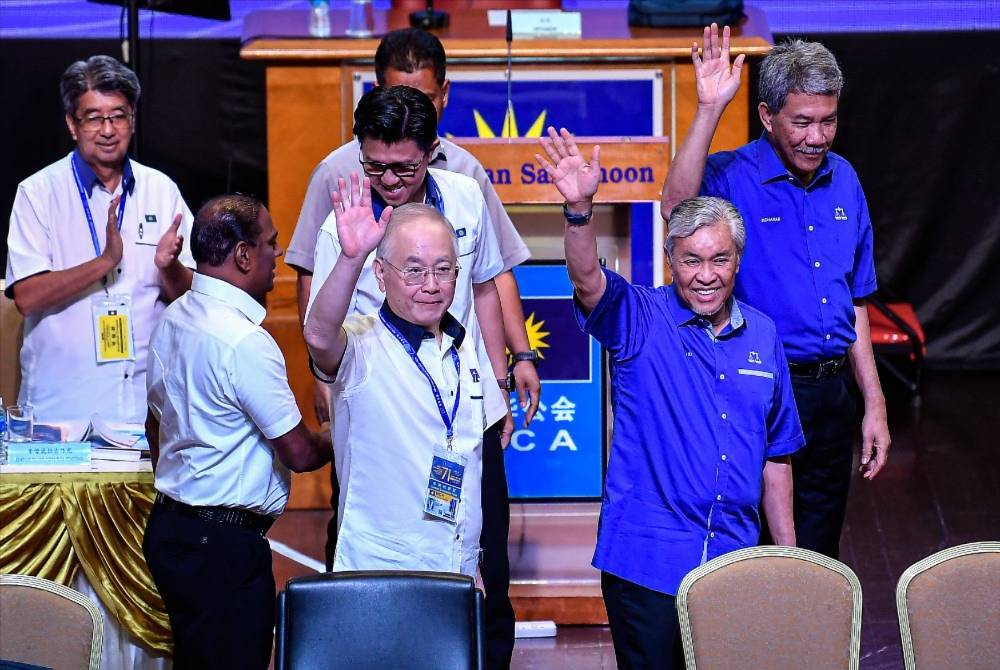
MCA president Datuk Seri Dr Wee Ka Siong and other party leaders staged a walkout during BN’s candidate announcement at the Melaka International Trade Centre on Oct 24, protesting the allocation of seats previously contested by MCA to other parties without proper consultation.
Wee said MCA would not accept decisions made without its consent but stressed that the protest concerned seat negotiations in Melaka and did not reflect the party’s broader cooperation within BN.
However, BN chairman and caretaker Melaka chief minister Datuk Seri Ab Rauf Yusoh maintained that the allocations were final, saying negotiations had concluded and BN’s 21 candidates, including two from MCA and one from MIC, had been agreed upon.

Oh said Umno’s decision could reflect its belief that other parties had better chances of winning the affected constituencies or that Malay-based parties could secure victories by consolidating Malay support.
“I see two possible explanations for Umno’s decision. The first is that it believes other parties, particularly Parti Wawasan Negara (Wawasan), have a better chance of winning those seats, potentially by attracting more Chinese voters.
“The second is that Umno has given up on Chinese voters, believing that Malay-majority and Malay-based parties can secure electoral victories by uniting Malay voters. However, I find the first explanation more convincing.
“If Chinese and Indian voters are becoming disillusioned with DAP, Umno would have more reason to reach out to them rather than abandon them altogether,” he added.
However, he questioned whether Umno, Pas and other Malay-based parties could sustain their cooperation, particularly when negotiating seat allocations and distributing political power after elections.
International Islamic University Malaysia political analyst Associate Professor Dr Syaza Shukri said MCA’s reduced allocation reflected its bargaining power and standing within BN.
“I think the dispute over seat allocation and the lack of consultation reflects MCA’s standing within BN, as negotiations over seats indicate each party’s position, bargaining power and level of trust within the coalition.
“MCA’s walkout during BN’s candidate announcement therefore signals not only dissatisfaction with the allocation process but also concerns about its influence in the coalition’s decision-making.
“Non-Malay component parties such as MCA and MIC are therefore expected to support this broader Malay unity agenda, raising further questions about their influence and role within the coalition as BN prepares for the election,” she told Sinar Daily..
Oh also highlighted that MCA’s position had become increasingly difficult after years of considering whether to leave BN while exploring possible cooperation with Pas and Perikatan Nasional (PN).
With Umno now working directly with Pas and PN facing the possibility of deregistration, he said MCA had fewer alternatives if it decided to leave BN.
“Umno understands this predicament and may therefore believe it can reduce MCA’s influence without facing serious consequences. The contradictory statements made by Wee Ka Siong and Ab Rauf also make the situation particularly interesting.
“Plus, discontent with one political party does not necessarily translate into support for another, and MCA should not mistake public frustration with DAP for an electoral opportunity it can automatically capitalise on,” he added.
He cited Johor’s success in attracting investment and the continued electoral strength of DAP in Negeri Sembilan as examples of why dissatisfaction with one party did not guarantee support for another.
Syaza similarly believed MCA was unlikely to leave BN because doing so could further weaken its political influence.
“While accepting the two-seat allocation and continuing to campaign under BN could make MCA appear weak, I believe the current political climate has placed most non-Malay parties in a similar position, including DAP. Malay politics need to be settled first before greater attention can be given to other component parties,” she said.
Oh said MCA was left with a choice between accepting its position as Umno’s junior partner or contesting elections independently and risking a poor performance.
The dispute raises questions about MCA’s ability to influence BN’s decisions and maintain its credibility as a representative of Chinese community interests ahead of the Melaka election.
Nomination for the state election is scheduled for Oct 31, with polling on Nov 14.
Download Sinar Daily application.Click Here!