17th AHMM: Strengthening every link vital to a healthier, more resilient ASEAN
Malaysia’s chairmanship was focused on turning regional health policies into tangible action for more than 670 million people across ASEAN.


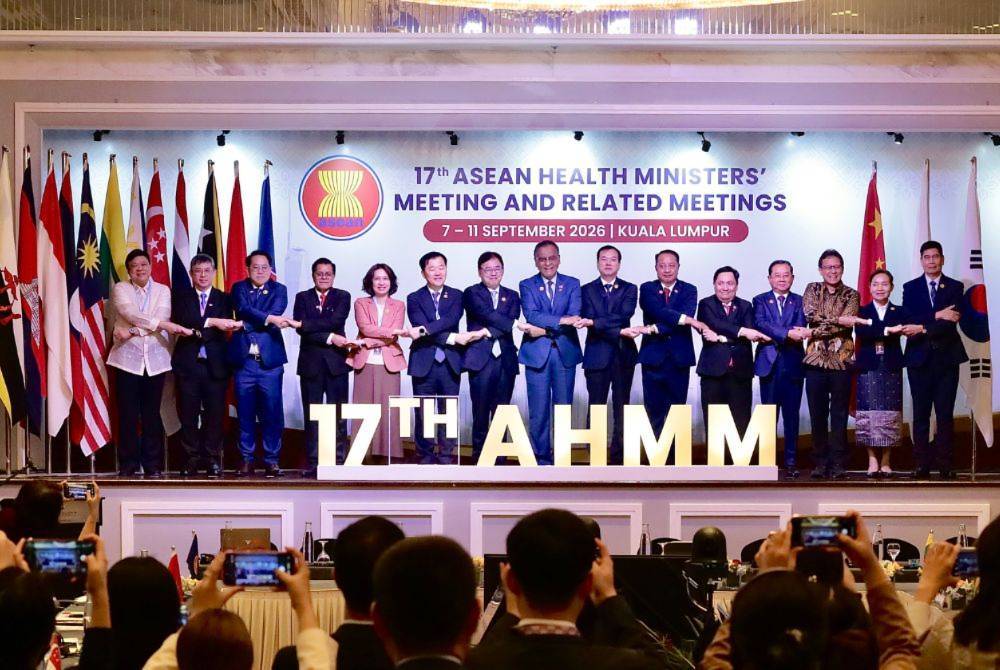
KUALA LUMPUR – Strengthening every link in ASEAN’s health system is essential to ensuring the region can respond effectively to health threats while delivering equitable and future-ready healthcare, Health Minister Datuk Seri Dr Dzulkefly Ahmad said.
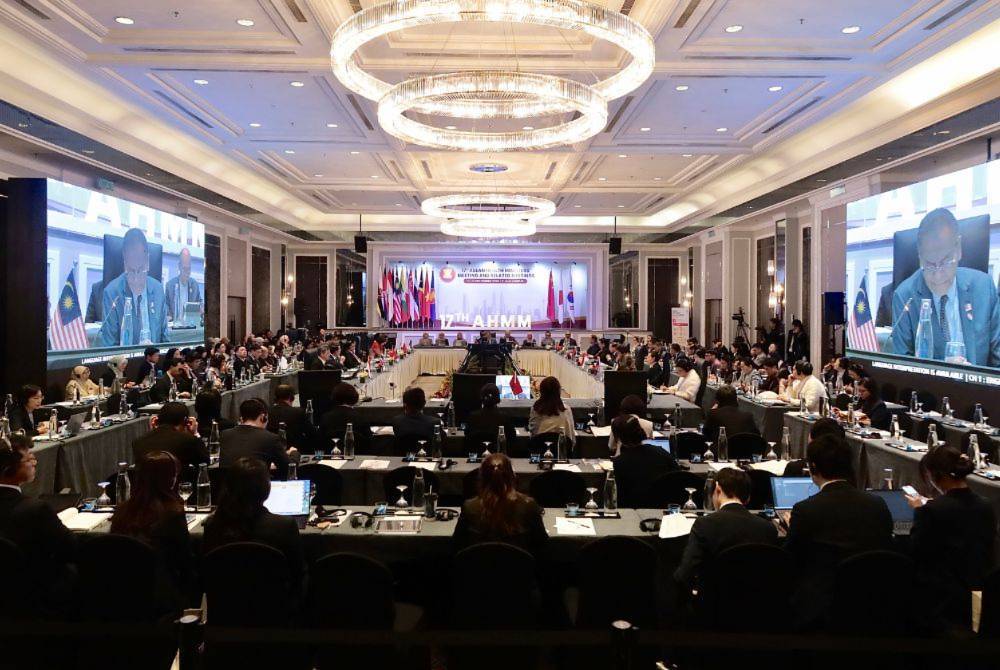
Speaking as Chair of the 17th ASEAN Health Ministers’ Meeting (AHMM), Dzulkefly said Malaysia’s chairmanship was focused on turning regional health policies into tangible action for more than 670 million people across ASEAN.
He said Malaysia was honoured to welcome ASEAN Health Ministers and representatives, dialogue partners, World Health Organisation (WHO) representatives and delegates to Kuala Lumpur under the theme “Healthy ASEAN: Together Towards Equitable, Future-Ready Health Systems”.
A key milestone of the meeting is the official launch of the ASEAN Strategic Health Agenda (ASHA) 2026–2030, which serves as ASEAN’s five-year health roadmap and is aligned with the ASEAN Community Vision 2045.
The agenda covers four core health clusters, namely promoting healthy lifestyles and non-communicable disease (NCD) prevention, responding to all hazards and emerging public health threats, strengthening health systems and access to care and ensuring regional food safety.
Dzulkefly said the blueprint was intended to narrow health development gaps across ASEAN and ensure no community or country was left behind.
“The chain of survival is only as strong as its weakest link, strengthening every stage is vital to securing a resilient and healthy region.
“Malaysia’s chairmanship had reinforced the importance of ensuring regional health frameworks were supported by effective implementation,” he emphasised.
Malaysia has also advanced health cooperation through bilateral engagements with key ASEAN partners.
With Singapore, Malaysia reinforced its Memorandum of Understanding on Health Cooperation, expanding collaboration in digital health, active ageing and regulatory reliance between the Medical Device Authority (MDA) and Singapore’s Health Sciences Authority (HSA), effective from March 2026.
The cooperation is aimed at accelerating access to high-innovation medical devices.
Malaysia also advances initiatives with Indonesia covering digital health, primary healthcare and healthcare financing.
The engagements also highlighted Malaysia’s role as a medical tourism hub, which recorded more than RM2.2 billion in revenue in 2025.
Malaysia is also scheduled to hold bilateral sessions with China and Japan to further strengthen technical and investment cooperation.
Several technical initiatives have also marked Malaysia’s chairmanship.
Dzulkefly chaired the first ASEAN Roundtable Discussion on Medical Devices, where ASEAN member states agreed in principle to support a phased Single Submission Model for pre-market approval, with Malaysia serving as the coordinating entry point for technical dossiers.
“Malaysia launched the ASEAN Action Plan for Lung Health, sharing its experience in AI-assisted chest X-ray screening and proposing an ASEAN-wide approach to elevate lung health as a fundamental human right.
“A combined technical side event led by the Health Director-General also focused on eye health through MySPECS, Drugs for Neglected Diseases initiative (DNDi) research and behavioural insights.
“Malaysia is continuing this work through the handover of its Rare Diseases Playbook, supporting the WHO Global Action Plan on Rare Diseases,” Dzulkefly said.
The 17th AHMM also marks a diplomatic milestone with the inaugural ASEAN-United States (US) and ASEAN-Japan Health Ministers’ Meetings, alongside high-level consultations with China, the Republic of Korea and WHO.
Dzulkefly said these platforms would strengthen ASEAN Centrality and place the region at the centre of global health security efforts.
Guided by the Malaysia MADANI values, Malaysia is seeking to ensure health policies translate into practical outcomes for ASEAN’s 670 million citizens.
He also expressed his appreciation to fellow ministers, the ASEAN Secretariat, WHO and dialogue partners for their contributions, while calling for continued cooperation to build a resilient, equitable and future-ready ASEAN.
Download Sinar Daily application.Click Here!