Fitness aggregators and studios: Is the partnership worth it?
ClassPass payment delays raise questions over whether customer reach and exposure make lower payouts worthwhile for Malaysian studios
Yasmin Rosli
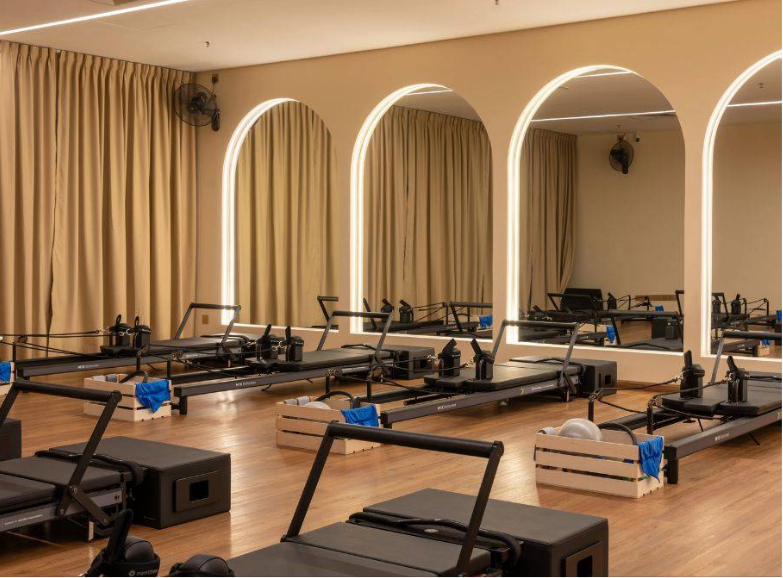
SHAH ALAM – Several Malaysian fitness studios recently found themselves waiting for their monthly payouts from fitness aggregator ClassPass for almost a month.
While the payment issue has since been resolved, the incident raises a bigger question for studios: does working with an aggregator bring enough benefits to make it worthwhile?
ClassPass, for its part, said the delay affected some Malaysian partner studios and was caused by an issue with its payment provider, adding that the affected payments were being reprocessed.
ClassPass operates as a marketplace connecting users with fitness and wellness businesses, allowing customers to book classes using credits through the platform.
For studios, the arrangement gives them access to customers who may not otherwise book directly, although ClassPass acknowledges that its payout can be lower than what a studio would receive from a direct customer.
For a studio, a lower-paying booking may still be useful if it fills an empty spot in a class.
But studios still have to cover costs such as instructor fees, rent, equipment and other expenses, regardless of how a customer books a class.
For SopiLates, the recent delay was therefore more than just waiting for payment.
“It is not only about the delayed funds – it also affects the trust and sense of security we have as a partner studio.
“For small studios, many of us depend on such platforms for exposure and customer acquisition.
“We have already delivered the classes and covered the associated costs, so waiting without a confirmed payment date has been stressful,” said SopiLates’ co-founder.
This leaves studios weighing whether a lower-paying ClassPass booking is better than leaving a class spot empty.
It also raises another question: how much should a studio rely on an aggregator for customers?
The Malaysian market has also seen difficulties faced by fitness subscription platforms.
1Fit, a Kazakhstan-based fitness membership platform, shut down its operations in Malaysia in June 2025, citing severe financial distress and insufficient funding, while continuing to operate in two other countries.
The circumstances were different from the ClassPass payment disruption, but the closure shows that fitness platforms also face financial pressures as they try to attract customers, pay partner studios and cover their own costs.
For small and emerging fitness brands, working with an aggregator can help them gain exposure and reach customers they may not otherwise attract.
At the same time, aggregators depend on studios and their classes to provide the services that customers are looking for.
Both sides therefore need the partnership to work financially.
For the Malaysian market, the question is whether the extra customers and exposure from an aggregator are worth the lower payouts and the dependence on a third-party platform.
Download Sinar Daily application.Click Here!