Higher fares may not guarantee better earnings for e-hailing drivers – MyGig
Drivers’ actual earnings depended not only on the fare charged for each trip but also on the number of bookings received, waiting time and operating costs.
SINAR HARIAN REPORTER
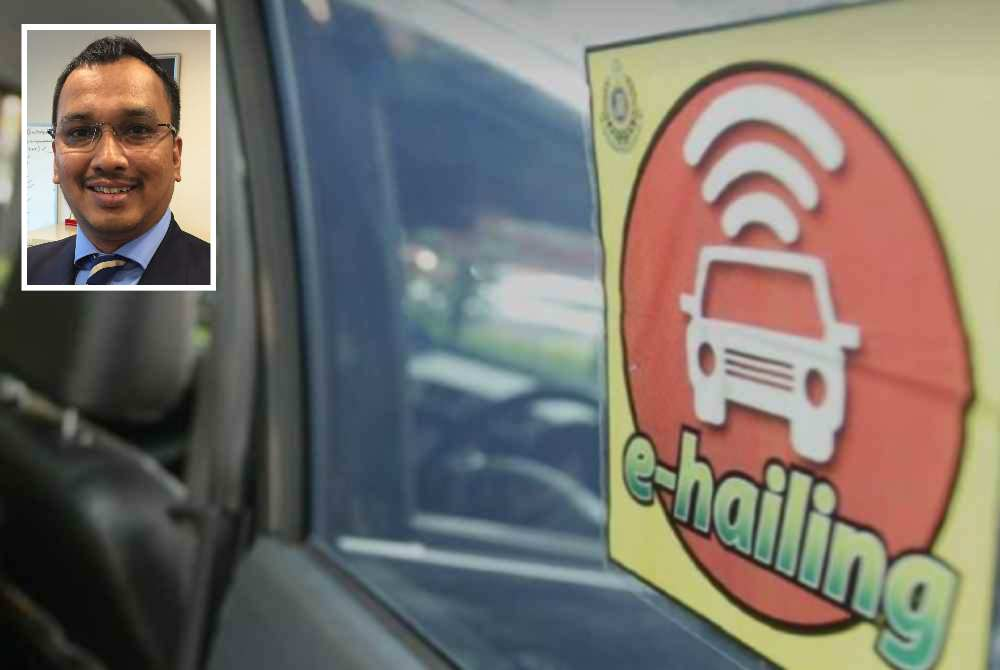
KUALA LUMPUR – Setting minimum e-hailing fares must take into account drivers’ operating costs and net income rather than simply increasing trip rates at the expense of passengers.
Malaysian Gig Economy Council (MyGig) deputy chairman Datuk Tengku Azman Tengku Zainol Abidin said higher fares did not necessarily guarantee better earnings if booking volumes declined and drivers had to wait longer to secure passengers.
Tengku Azman who is also Bukit Bintang Umno division chief said drivers had to bear various expenses, including fuel, vehicle maintenance and trips made without passengers, while spending hours on the road to earn a living.
He said drivers’ actual earnings depended not only on the fare charged for each trip but also on the number of bookings received, waiting time and operating costs.
“Drivers’ earnings are not determined solely by the fare for one trip, but by how many bookings they receive, how long they have to wait and how much they have to spend,” he said, according to a report by Umno Online.
He said minimum fare rates should reflect actual operating conditions to ensure drivers earned a reasonable income without placing an excessive financial burden on passengers.
For instance, a driver receiving RM15 for a single trip might earn less in a day than another driver receiving RM10 per trip but completing more bookings within the same period.
This demonstrated that higher fares did not necessarily translate into better returns, particularly if increased prices caused demand for e-hailing services to decline.
At the same time, fare increases that failed to consider passengers’ affordability could affect those who relied on the service for their daily needs.
Those at risk included night-shift workers, small traders, senior citizens and tourists, as well as commuters who used e-hailing services to reach Mass Rapid Transit (MRT) and Light Rail Transit (LRT) stations.
Tengku Azman said reduced demand could force drivers to wait longer for bookings, consequently affecting their daily earnings.
“This is not about drivers against passengers. Both depend on each other,” he said.
In this regard, he supported an approach that prioritised protecting drivers’ actual earnings, in line with the views of My Mobility Vision (MMV) highlighted in an article on news portal Free Malaysia Today (FMT).
Among the proposed measures was introducing minimum payments for drivers based on actual operating costs, waiting time and trips made without passengers.
He also proposed utilising the Gig Workers Act 2025 and the Gig Workers Consultative Council to help formulate fair payment rates according to different types of work and actual working conditions.
In addition, deductions from drivers’ earnings needed to be transparent so they could understand how their payments for each trip were calculated.
He said data on operating costs, working hours and drivers’ net income should also be collected before any fare calculation formula was finalised.
Meanwhile, regulations governing e-hailing and taxi services should be reviewed to ensure both sectors could compete on a more balanced footing.
Tengku Azman said an effective fare policy needed to balance drivers’ welfare with passengers’ interests, particularly as the public continued to face cost-of-living pressures.
“The success of this policy is not measured by how high the fares are set, but by how much drivers actually take home to support their families,” he said.
Download Sinar Daily application.Click Here!