Six prominent candidates tough to beat in Melaka polls- Analysts
Candidates who were well-liked and actively engaged with local communities could attract support across party lines, helping them retain their seats even when their parties faced various challenges or negative perceptions at the national level.


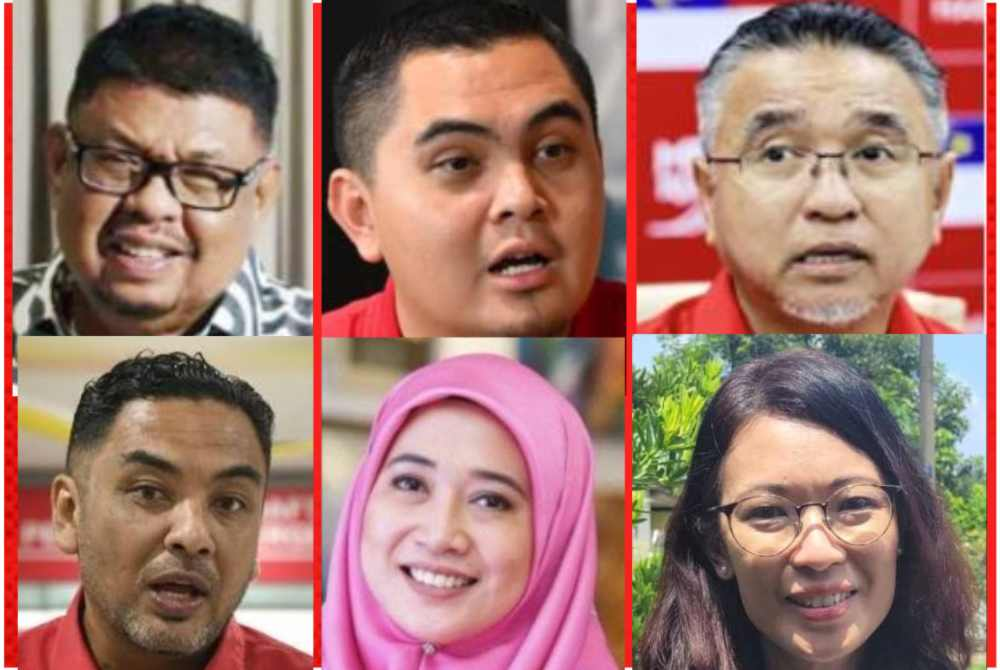
SHAH ALAM - Six prominent political figures seen as difficult to unseat are drawing attention ahead of the 16th Melaka state election, with 79 candidates contesting 28 state seats on Nov 14.
Their political influence, leadership records and strong personal brands are seen as giving them an advantage in defending their respective seats despite stiff competition from rival candidates.
Among those in the spotlight are Melaka Chief Minister and Barisan Nasional (BN) Melaka chairman Datuk Seri Ab Rauf Yusoh, Umno Youth chief Datuk Dr Muhamad Akmal Saleh and Duyong state seat candidate Datuk Mohd Noor Helmy Abdul Halem.
Also among the prominent figures are Umno Supreme Council member Datuk Khaidhirah Abu Zahar, Pakatan Harapan (PH) Melaka chairman Adly Zahari and PKR Wanita information chief Datuk Ginie Lim Siew Lin, each with their own influence in the state's political landscape.
Universiti Malaya political analyst Dr Mohammad Tawfik Yaakub said the four BN incumbents had to be assessed based on their level of public acceptance.
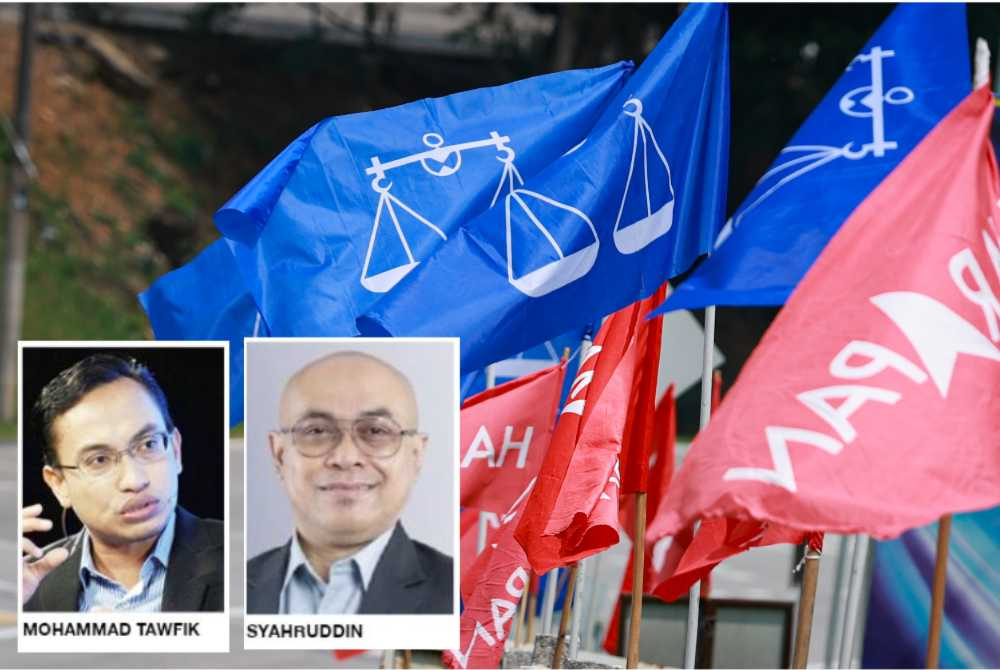
He said the candidates had different leadership profiles, ranging from state administration and party wing leadership to services rendered in their respective constituencies.
“However, a strong personal brand does not necessarily translate directly into a landslide victory, although their potential to win cannot be questioned in Melaka's current political climate.
“My assessment is also based on previous election results, the strength of their challengers, local issues and changes in voter turnout,” he told Sinar on Monday.
Tawfik said Ab Rauf had established a political identity as an Umno leader who resonated with the people through the slogan ‘Mana lagi... Melaka Lerr’, while Dr Akmal was known for his involvement in national political issues.
“Noor Helmy is seen as approachable by people from all ethnic backgrounds in his constituencand the same goes for Khaidhirah.
“The leaders mentioned have different levels of political visibility, but their influence must be assessed separately from the actual level of voter support in their respective constituencies,” he said.
He added that Adly, who was defending the Bukit Katil state seatand Lim, who was contesting in Machap Jaya, were among PH's prominent candidates who would be difficult to challenge.
“Adly had previously served as Melaka chief minister, giving voters a basis to assess his capabilities.
“Similarly, Lim had previously served as an executive council member, which gave both PH candidates an advantage,” he said.
Tawfik, however, said the large majorities recorded in the 2021 state election remained relevant as historical indicators of campaign machinery strength and voter support, but should not be treated as a definitive measure for the upcoming polls.
“The political landscape has changed due to cooperation between coalitions, vote transfers, an increase in the number of voters, economic issues and governance,” he said.
Universiti Malaysia Sabah political analyst Associate Professor Dr Syahruddin Awang Ahmad was of the view that all six candidates were expected to retain their respective seats.
He said his assessment was based on the candidates' performance in serving the public when their respective coalitions were previously in government, given that both PH and BN had led the state.
“I am confident that a candidate's personality plays a very dominant role and in many cases, often outweighs the influence of the party itself, particularly in state elections.
“Voters in a constituency tend to assess a candidate's openness, accessibility, record of public service and concern for local issues rather than party ideology alone,” he said.
He added that candidates who were well-liked and actively engaged with local communities could attract support across party lines, helping them retain their seats even when their parties faced various challenges or negative perceptions at the national level.
Download Sinar Daily application.Click Here!