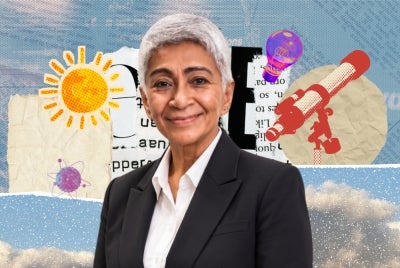
Asiah Abu Samah wanted more women in decision-making roles
Asiah said women had made considerable progress in the workforce, particularly in education, but more needed to be done to increase their presence in leadership and politics.


SHAH ALAM – Greater representation of women in leadership and political decision-making was among the changes Tan Sri Dr Asiah Abu Samah hoped to see in Malaysia, a message she shared in an interview three years ago.
The country's first female Education director-general who died at the age of 89 on Wednesday (Nov 4), believed that while opportunities for women had improved over the decades, their representation in influential positions remained insufficient.
In an interview with English daily The Star published on June 14, 2023, Asiah said women had made considerable progress in the workforce, particularly in education, but more needed to be done to increase their presence in leadership and politics.
She noted that women made up more than 60 per cent of educators in schools and universities, reflecting their strong participation in the education sector.
However, she highlighted the gap in political representation, arguing that women needed to hold at least 30 per cent of decision-making positions.
She pointed out that elected representatives were responsible for shaping policies and making decisions that affected the country's future, making women's participation in politics equally important.
Asiah believed women's empathetic nature and educational backgrounds could contribute to more balanced leadership and better decisions for society.
She also stressed that encouraging greater female participation in leadership required support from men, particularly those in positions of authority.
"Men need to be more understanding and helpful in terms of urging more women to be involved in decision-making," she said in the interview.
Reflecting on the progress made during her career, Asiah recalled that there were no female secretary-generals or director-generals when she first joined the Education Ministry more than three decades earlier.
She said her appointment as the country's first woman Director-General of Education in 1991 was followed by more women taking up senior positions in government ministries and the Prime Minister's Department.
Although she welcomed the progress, she cautioned that achieving greater equality in leadership would take time.
Her expectations also extended to the workplace, where she advocated a management approach based on cooperation, communication and shared decision-making.
Asiah believed managers should listen to employees, allow them to express their concerns and involve both men and women in organisational decisions.
She also challenged the perception that women in management were overly particular or inclined to micromanage, arguing that supervisors needed to remain aware of their employees' work and provide proper guidance.
For younger women entering the workforce, her advice centred on professional integrity, commitment and responsibility.
She encouraged them to carry out their duties sincerely, remain committed to their organisations and avoid corruption, regardless of their positions.
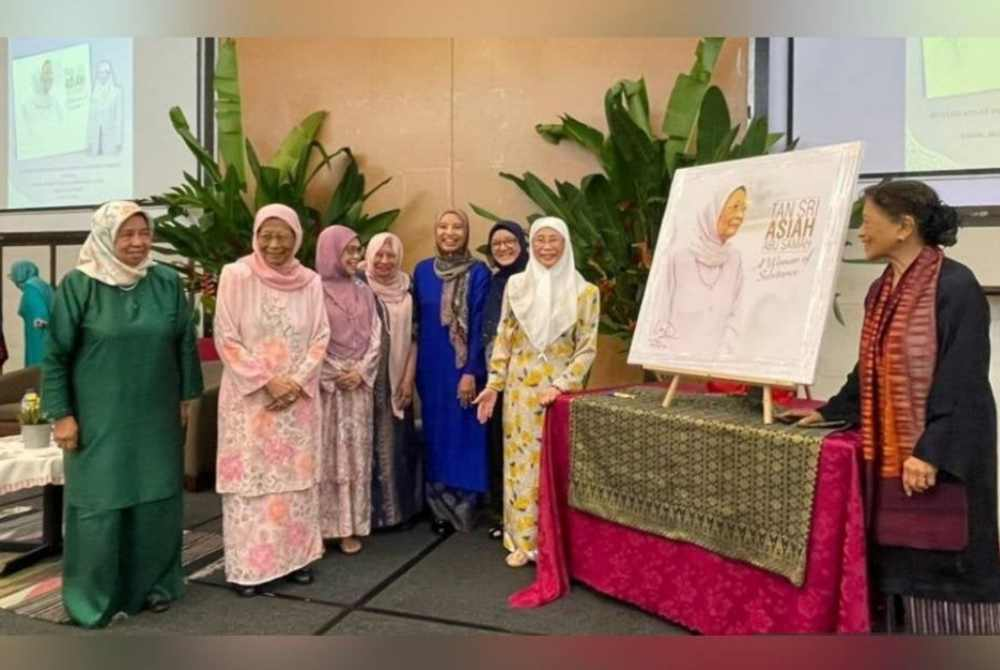
Her views were also reflected in the 203-page biography "Tan Sri Asiah Abu Samah – A Woman of Substance", launched in May 2023 by former deputy prime minister Datuk Seri Dr Wan Azizah Wan Ismail.
Wan Azizah, who was among Asiah's former students at Kolej Tunku Kurshiah (TKC), described her former principal as a humble and quiet individual whose presence and influence were deeply felt.
The biography was co-authored by five of Asiah's former students, Sharifah Maimunah Syed Zain, Asma Abdullah, Rodziah Ahmad Tajuddin, Rozita Rosli and Naziah Nawawie.
Asiah served as TKC principal from 1966 to 1970 before progressing through several senior positions in the Education Ministry.
She was appointed Education director-general in 1991, becoming the first woman to hold the position, and retired from the post in 1993.
Her career also included contributions to curriculum development, educational planning and international education, alongside her subsequent involvement with UNESCO and Suhakam.
In the interview, Asiah expressed hope that more women would eventually take up positions where they could influence decisions affecting the country.
"Rome was not built in a day," she said, acknowledging that achieving meaningful progress in women's representation would require time.
Her reflections offered a glimpse into the values that shaped her career, particularly her belief that education, integrity and inclusive leadership were essential to building stronger institutions.
Download Sinar Daily application.Click Here!