Melaka polls: Smaller parties may split votes, influence election outcome
International Islamic University Malaysia political analyst Associate Professor Dr Syaza Shukri said parties such as Parti Bersama Malaysia (Bersama) and Parti Pribumi Bersatu Malaysia (Bersatu) could challenge the existing political landscape, particularly in suburban and rural Malay-majority constituencies.


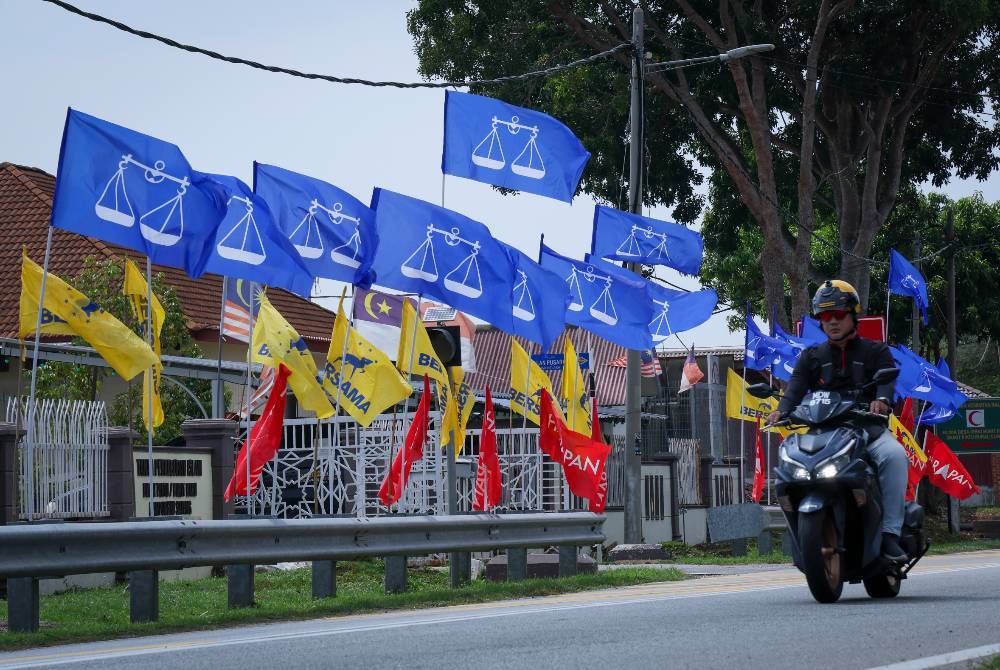
SHAH ALAM - Smaller political parties may face an uphill battle in winning constituencies in the upcoming Melaka state election, but their participation could influence the outcome of closely contested seats by splitting votes and narrowing the winning margins of major coalitions.
International Islamic University Malaysia political analyst Associate Professor Dr Syaza Shukri said parties such as Parti Bersama Malaysia (Bersama) and Parti Pribumi Bersatu Malaysia (Bersatu) could challenge the existing political landscape, particularly in suburban and rural Malay-majority constituencies.
She said their presence could attract voters looking for alternatives to Barisan Nasional (BN) and Perikatan Nasional (PN), but who may not necessarily be inclined to support Pakatan Harapan (PH).
“I think the smaller parties’ main role in the Melaka election is to split votes, particularly in closely contested constituencies. Bersama and Bersatu have greater name recognition and stronger followings than Putra, but defeating the bigger coalitions would remain a significant challenge.
“Nevertheless, their participation could prevent certain parties from winning or reduce their winning majorities, particularly in suburban and rural Malay-majority constituencies,” she told Sinar Daily.
Syaza said smaller parties could have more room to influence the outcome in four-cornered contests, where a candidate could potentially win with slightly more than a quarter of the total votes.
However, she noted that limited grassroots machinery and established electoral networks remained major obstacles for these parties in translating voter support into electoral victories.
She said Bersama could attract former PH supporters who were dissatisfied with the coalition's direction or performance. However, she questioned whether this support would translate into electoral gains, noting that some voters might still opt to back PH as a strategic choice.
“I think the smaller parties’ performance should not be measured solely by the number of seats they win, but also by the percentage of votes they secure. Given their poor performances in previous state elections, even retaining their election deposits would be a reasonable achievement.
“Nevertheless, securing substantial voter support, even without winning any constituencies, would indicate that voters are seeking more political options and alternatives.
“It would also serve as a reminder to established coalitions such as PH, BN and PN that they cannot take voters’ support for granted,” she mentioned.
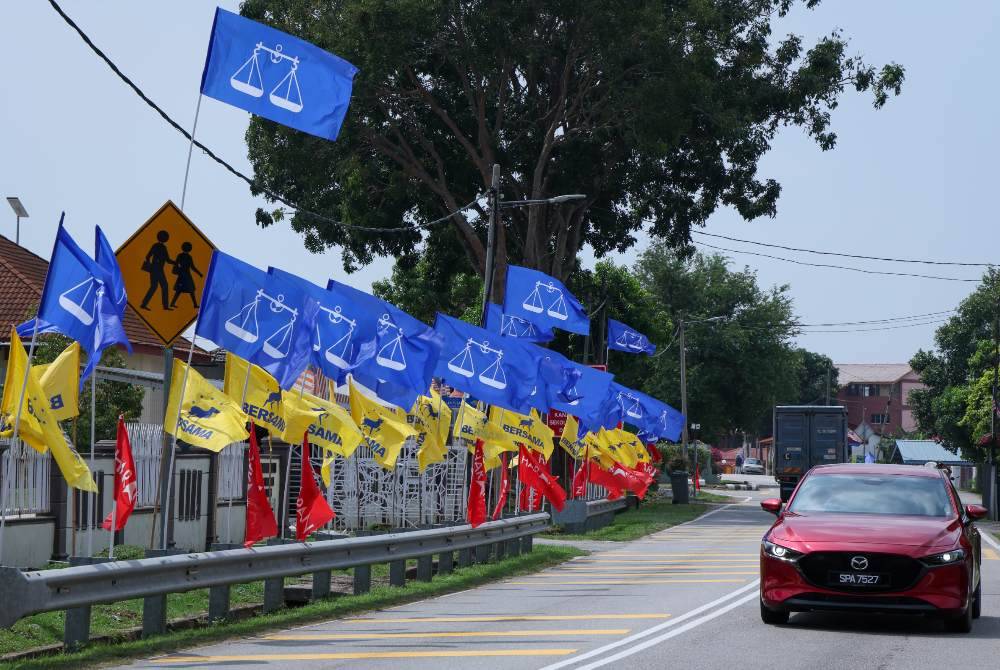
Political analyst Dr Oh Ei Sun similarly said smaller parties contesting independently were unlikely to attract significant support, based on the outcomes of recent state elections and would be fortunate to even retain their deposits.
He said their chances of winning constituencies remained limited, as their electoral prospects were largely personality-driven and depended on the presence of prominent leaders who could attract support beyond their existing followers.
He said Bersatu is attempting to retain the electoral support it had previously enjoyed when its president was prime minister, while Bersama is testing its appeal among voters in urban and suburban constituencies.
However, he cautioned that Bersama's participation could affect PH’s performance in closely contested seats if it managed to draw support from voters who had previously backed the coalition.
“Bersama could also potentially attract former PH supporters who are dissatisfied with the coalition and its participation in closely contested constituencies could cost PH some seats.
“Realistically, retaining their deposits in at least some of the constituencies they contest would already represent a meaningful performance for these smaller parties.
“Nevertheless, these smaller parties' participation could indicate growing fragmentation among voters and suggest that major coalitions can no longer take their support for granted.
“In response, PH, BN and PN may have to consider accommodating these smaller parties, potentially by allocating constituency seats or offering political appointments,” he told Sinar Daily.
The 16th Melaka state election will see 79 candidates contesting 28 constituencies, with 11 straight fights, 11 three-cornered contests and six four-cornered battles.
PH is contesting 24 seats, followed by BN with 23, Bersama with 16, Bersatu with seven, PN with five and Parti Bumiputera Perkasa Malaysia (Putra) with one. Three independent candidates are also in the race.
BN is contesting through its component parties, with Umno allocated 18 seats, MCA four and MIC one. PN's five seats comprise two allocated to Pas, two to Parti Wawasan Negara (Wawasan) and one to Gerakan.
The election follows the dissolution of the 28-seat Melaka State Legislative Assembly on Sept 23. Polling is scheduled for Nov 14, with early voting on Nov 10.
In the previous state election in 2021, BN won 21 seats, PH secured five and PN took two. A coalition needs at least 15 seats to form the state government, while 19 seats are required for a two-thirds majority.
Download Sinar Daily application.Click Here!