Could poor urban planning be behind Shah Alam's flash floods?
Rodzina questioned whether the long-term effects on the area's drainage system and flood risks had been properly assessed before the development was approved.


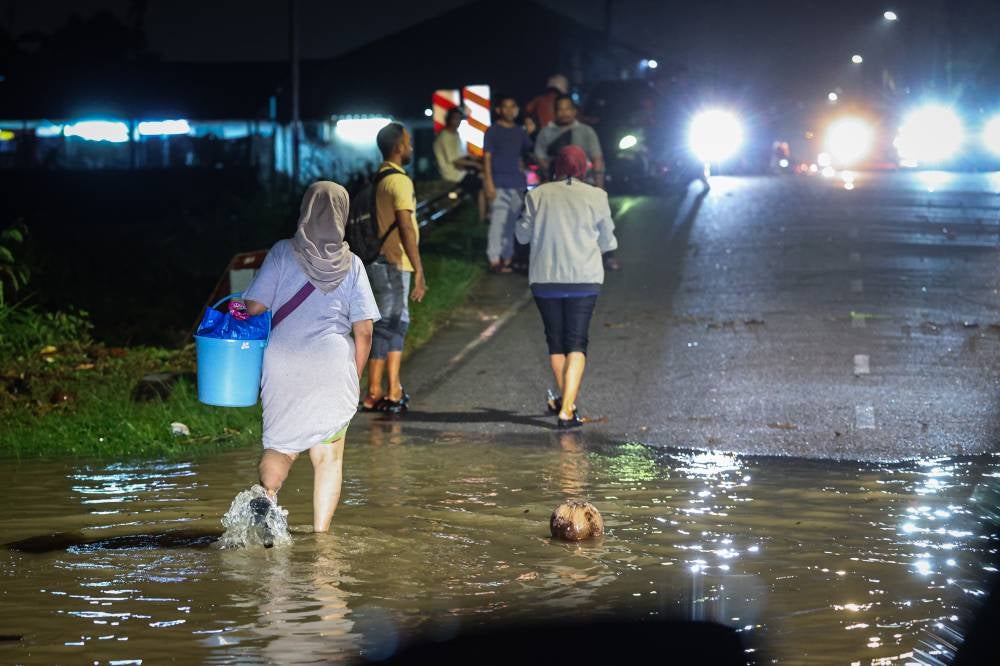
SHAH ALAM - The conversion of natural catchment areas into housing developments must be investigated to determine whether it has contributed to recurring flash floods in Shah Alam.
Bukit Jelutong Bidai Residence Association chairman Dr Rodzina Hayati Tajul Arifin said one of the main concerns was the development of a former natural catchment area in Bukit Jelutong into a housing project, despite residents reportedly raising objections over its potential impact on surrounding communities.
Rodzina questioned whether the long-term effects on the area's drainage system and flood risks had been properly assessed before the development was approved.
"Natural catchment areas helped absorb and retain rainwater, slowing its flow into rivers and drainage channels.
"Converting these areas into housing developments could reduce their capacity to manage excess rainwater, increasing the risk of flooding in nearby neighbourhoods.
"We cannot continue approving new developments while expecting existing drainage infrastructure and natural waterways to absorb the consequences," she told Sinar Daily.
Rodzina called on the authorities to review past development approvals and investigate whether the conversion of the Bukit Jelutong catchment area had complied with drainage, environmental and planning requirements.
She also urged the authorities to consider temporarily suspending further development in flood-prone areas until comprehensive drainage and flood risk assessments had been completed.
The Department of Irrigation and Drainage (JPS), Shah Alam City Council (MBSA), the Selangor government and relevant planning authorities should also jointly explain the findings and outline the corrective measures, including who would be responsible for implementing them and when, she said.
Rodzina said developers and local authorities must take responsibility for ensuring that new projects do not increase flood risks for existing communities.
"The issue is no longer simply about flooding. It is about whether our urban development policies are sustainable and whether sufficient consideration has been given to the safety, livelihood and well-being of existing residents.
"We need answers, not excuses. We need proper planning, not temporary fixes," she said.
Meanwhile, geostrategist Dr Azmi Hassan said the flash floods in Shah Alam and Kampung Melayu Subang were caused by a combination of heavy rainfall and human activities.
He said heavy rain within a short period was the immediate trigger, but deforestation and excessive urban development could have worsened the situation.
"We cannot just blame nature in this particular case. We also need to blame ourselves when heavy development and deforestation happen," he said.
Azmi said climate change had also contributed to increasingly intense rainfall, making flash floods more likely, particularly in heavily developed areas.
He warned that flash floods following heavy rain could become increasingly common if the impact of urban development was not properly addressed.
He said authorities needed to assess the effectiveness of existing flood mitigation measures, particularly as changing weather patterns placed greater pressure on urban drainage systems.
"With heavy rain and climate change, it is becoming very difficult to avoid flash floods. This is a combination of natural factors and human-made causes," he said.
Download Sinar Daily application.Click Here!