Malaysia must move beyond halal certification to global exports – Zulkifli
Certification success must translate into stronger global market presence


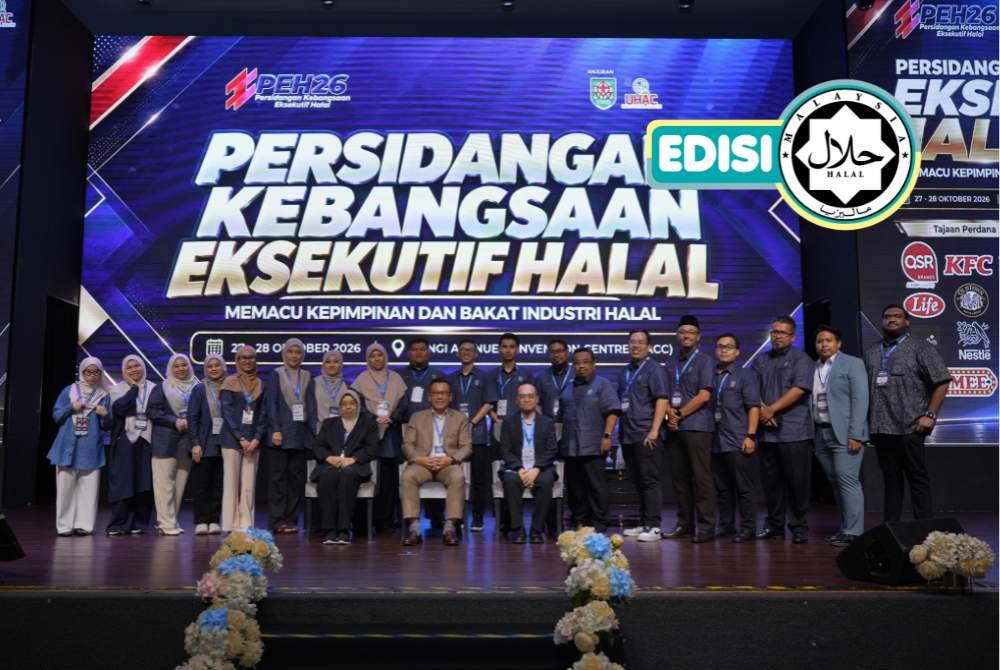
MALAYSIA must shift its approach to halal industry development from focusing mainly on halal certification to becoming a global powerhouse in halal production, commercialisation and exports.
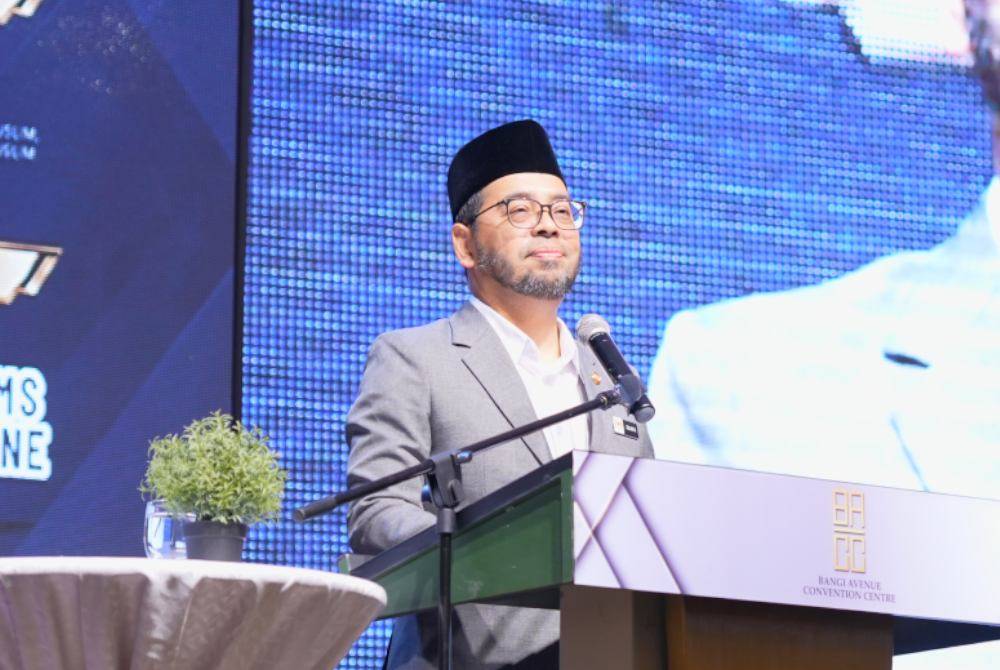
Prime Minister's Department (Religious Affairs) Minister Dr Zulkifli Hasan said although Malaysia had established itself as one of the world's leading countries in halal certification, there was still considerable room to strengthen its position in the industry.
He said Malaysia had recognised more than 100 halal certification bodies from 50 countries, reflecting the international community's confidence in the country's halal standards and management systems.
However, he cautioned that Malaysia should not become complacent as other countries were becoming increasingly aggressive in developing their respective halal industries.
"We cannot afford to be complacent because the world is changing, and our competitors are beginning to catch up and compete with Malaysia.
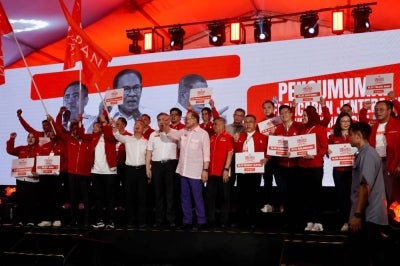
"This requires us to remain competitive, creative and innovative, and to move with agility and speed," he said in his speech before officiating the 2026 National Conference of Halal Executives (PEH26) in Bangi recently.
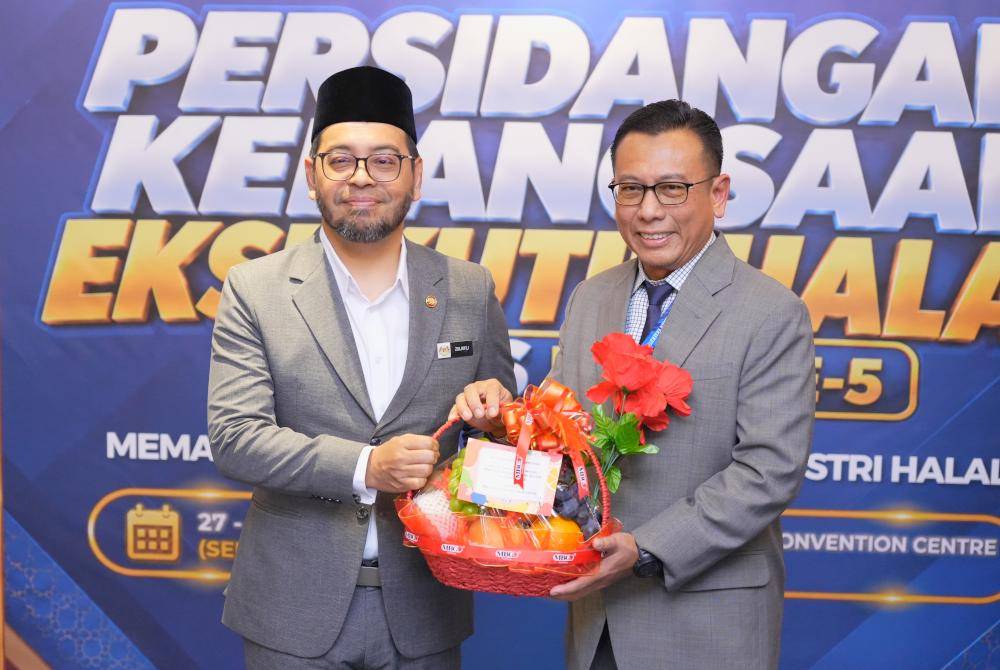
Also present were Jakim Halal Management Division director Datuk Mohd Asri Abdullah, UNITI Port Dickson College chief executive Amir Hamzah Md Isa, UNITI Halal Centre (UHAC) director Muhamad Elyas Harun and Universiti Islam Selangor adjunct professor Datin Hakimah Mohd Yusoff.
He said Malaysia must address the gap between its strength in halal certification and its level of participation in the global halal market.
"For example, despite having a recognised halal certification system, Malaysia holds only around one per cent of the global halal cosmetics market, while the country ranks third globally in halal exports.
"Therefore, it is time for Malaysia to strengthen its halal industry development more comprehensively, moving beyond certification towards commercialisation, from market readiness to export capabilities, and from having local industry players to producing leaders in the international halal industry," he said.
Halal in Budget 2027
Meanwhile, he said the increase in government allocations for Islamic affairs, including halal development, under Budget 2027 reflected its continued commitment to strengthening the country's halal ecosystem.
"Allocations for Islamic affairs increased from RM1.5 billion in 2023 to RM3.1 billion in 2027.
"Among the initiatives announced under Budget 2027 for the halal sector are matching grants of RM5,000 to help micro, small and medium enterprises (MSMEs) obtain halal certification, as well as grants of RM25,000 for the cosmetics and pharmaceutical sectors," he said.
He added that the government was also focusing on increasing the number of halal auditors by 100 and upgrading the MYeHALAL system to improve the delivery of halal certification services both domestically and internationally.
Strengthening halal professionals
Dr Zulkifli stressed that developing competent, professional and ethical human capital was among the key requirements for realising Malaysia's ambition to become a global halal industry leader.
He said the role of halal executives should no longer be limited to handling documentation or ensuring that companies met halal certification requirements.
"Instead, they must serve as professionals responsible for ensuring that the principles of halalan toyyiban are fully integrated into organisational management, production processes, supply chains and service delivery.
"In this regard, PEH26 is an important platform to strengthen knowledge, enhance competencies, share experiences and build networks among halal industry players," he said.
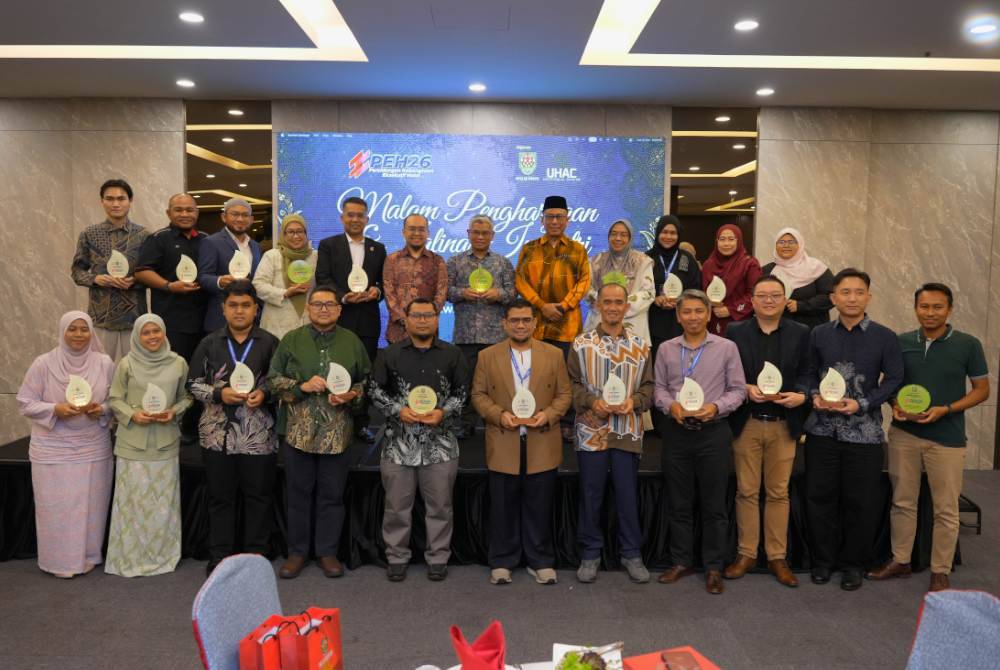
He also expressed his appreciation to UNITI Port Dickson College and UHAC for their contributions to halal education, particularly as one of the pioneering institutions to offer the Diploma in Halal Industry Management programme in 2013.
He added that halal education and training should be further developed as a field with strong international potential by leveraging Malaysia's experience and expertise in halal systems and certification.
He also proposed integrating the halal sector with Malaysia's strengths in other areas, such as Islamic finance and tourism, to create a larger and more integrated Islamic economic ecosystem.
He expressed confidence that combining expertise across these sectors could position Malaysia as a country offering a comprehensive halal ecosystem model and make it a global reference point in the 21st century.
Download Sinar Daily application.Click Here!