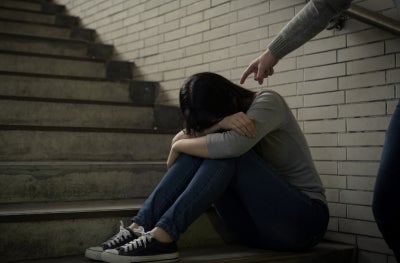
Bullied children need support, not advice to fight back
The challenge is not always teaching children that bullying is wrong, but helping them develop the emotional control, empathy and confidence to do the right thing even when their peers are encouraging them to do otherwise.
YASMIN ROSLI
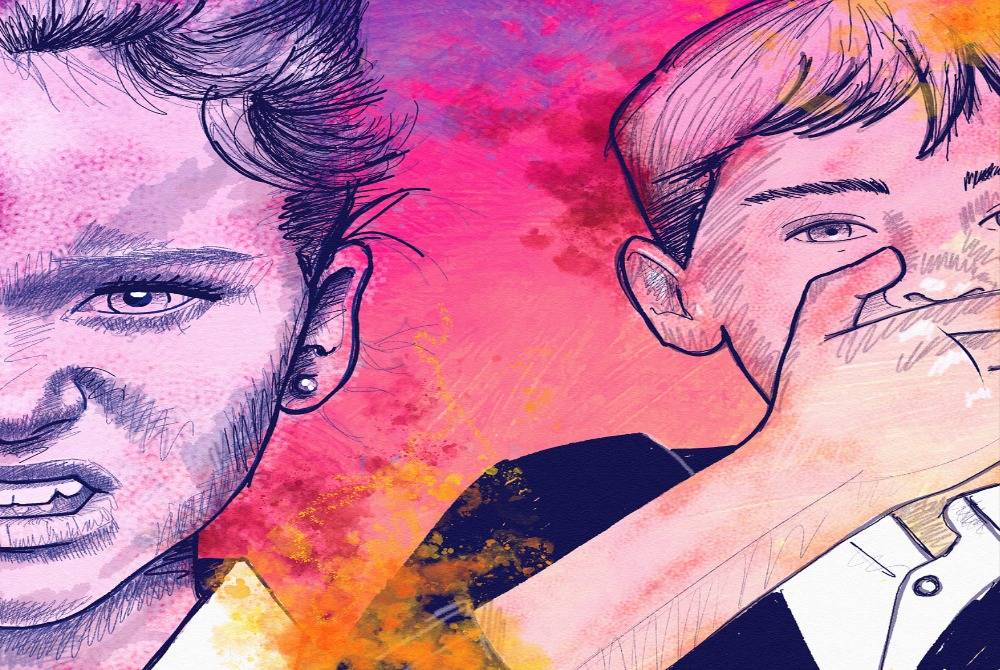
SHAH ALAM - Preventing bullying starts long before a child becomes involved in it, as children learn how to treat others through their home environment, emotional experiences and interactions with their peers.
Consultant psychiatrist Dr Tesini M. Paramannantha Veloo said rather than telling children who are being bullied to fight back, adults should help them recognise that they do not have to face the situation alone and encourage them to seek help from trusted adults who can intervene safely.
Children often know it is wrong to hurt someone, so why do they still do it?
The answer may lie in the need to fit in, the struggle to control emotions and the way harmful behaviour becomes normalised among peers, said Dr Tesini.
She said a child may know that an insult can hurt a classmate, yet still join in when everyone else is laughing, especially if being accepted by the group matters more to them in that moment.
"Understanding why children bully requires looking beyond their actions to their home environment, emotional struggles and the influence of those around them.
"A child’s first lessons about relationships begin at home, long before they learn to navigate friendships at school," she said.
She said children watch how adults handle disagreements, respond to frustration and treat people who think or behave differently, picking up lessons even when no one is directly teaching them.
They also learn whether it is safe to express their feelings, admit mistakes and disagree, or whether conflict usually ends in insults, humiliation or intimidation.
Dr Tesini said a home where children feel supported, listened to and guided by consistent boundaries can help them develop confidence, empathy and an understanding of healthy relationships.
On the other hand, she said children who repeatedly experience criticism, rejection, humiliation or unpredictable conflict at home may carry those experiences into their relationships with others.
"The way adults treat one another matters too, as children may come to see ridicule, hostility or exclusion as acceptable ways to deal with disagreements.
"When they see adults resolving problems through respectful conversations, they can learn that conflict does not have to mean rejection or hostility," Dr Tesini said.
However, she stressed that a child’s home environment does not determine their behaviour on its own, as personal experiences and peer relationships also play a part.
She said some children may hurt others because they feel angry, insecure or rejected, while others may be seeking control, revenge or a higher social standing among their peers.
Rather than focusing only on what a child has done, she said it was important to understand what the behaviour might be doing for them.
"A child might recognise that another person feels embarrassed or upset but still continue because making their friends laugh or gaining their approval feels more important at that moment.
"Knowing is not necessarily the same as doing," she said.
Dr Tesini said peer approval, excitement, revenge or the desire for social status could override a child’s ability or willingness to act on their understanding that something is wrong.
She said some children may also struggle to manage their impulses, cope with frustration or interpret social situations, particularly when they feel rejected or emotionally overwhelmed.
She added that past experiences can play a role too, as children who have been bullied or witnessed aggression may direct similar behaviour towards others when their own anger, humiliation or need to regain control remains unresolved.
Another concern, she said was how easily harmful behaviour can become part of everyday interactions, particularly when children repeatedly see it portrayed as funny or acceptable.
Dr Tesini said children could be exposed to hitting, insults, humiliation, ridicule and exclusion through media and interactions with their peers.
"When everyone laughs at an insult or dismisses humiliation as a joke, children may gradually become less aware of the harm behind the behaviour.
"What one child considers harmless teasing may leave another feeling embarrassed, excluded or hurt, but the reaction can be dismissed because others are laughing," she said.
Dr Tesini warned that repeated exposure to such behaviour could blur the line between humour and harm, making it easier for children to justify their actions even when they realise someone is upset.
The challenge, she said, is not always teaching children that bullying is wrong, but helping them develop the emotional control, empathy and confidence to do the right thing even when their peers are encouraging them to do otherwise.
Download Sinar Daily application.Click Here!