How Malaysia classifies disasters: Understanding the three levels
Malaysia classifies disasters into three levels based on their scale, damage, complexity and the resources needed, determining how authorities coordinate their response


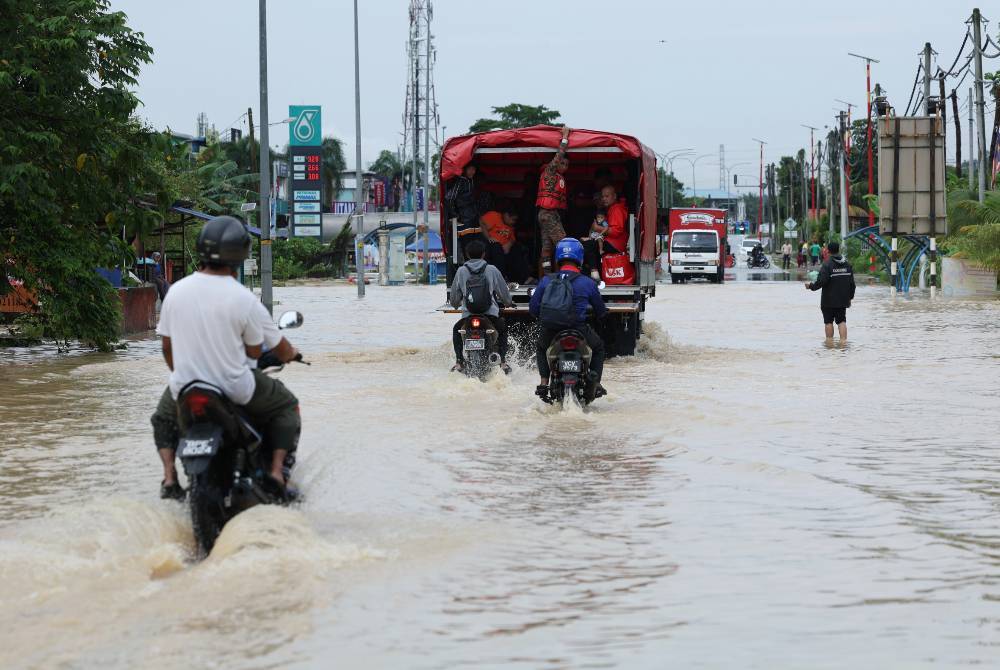
THE declaration of a Level 1 disaster in Kampung Jalan Kebun, Klang, following flooding on Nov 17 has highlighted how Malaysia classifies disasters and coordinates emergency responses.
The Klang District Disaster Management Committee (JPBD) declared the disaster, with temporary relief centres (PPS) opened to provide shelter for affected residents.
Bernama reported that several homes in Kampung Jalan Kebun Tambahan were flooded up to knee level, forcing residents to seek shelter.
But what does a Level 1 disaster mean, and how does it differ from Level 2 and Level 3?
Under the National Disaster Management Agency's (NADMA) Directive No. 1, Malaysia classifies disasters into three levels based on their scale, damage and the resources needed to manage them.
Here is a simple explanation of how the system works.
What are the three levels of disaster management?
Level 1: District
A Level 1 disaster is an incident that can be managed by authorities at district level using local resources, with limited assistance from state or federal agencies.
The District Disaster Management Committee (JPBD) coordinates the response, including rescue operations, evacuation and assistance to affected residents.
Level 2: State
A Level 2 disaster involves an incident affecting several districts within the same state or requiring additional state-level resources.
The State Disaster Management Committee (JPBN) coordinates the response and provides additional support when district authorities need help.
Level 3: Federal
A Level 3 disaster involves an incident affecting multiple states or requiring large-scale coordination and resources from the Federal Government.
The Central Disaster Management Committee (JPBP) coordinates the federal response, with NADMA helping mobilise resources and assistance from relevant ministries and agencies.
However, the number of districts or states affected does not automatically determine the disaster level.
Authorities also consider whether the affected areas have enough manpower, equipment, expertise and resources to manage the situation.
Which agencies are involved?
Several government agencies work together to manage disasters, with each responsible for different aspects of the response.
Their main responsibilities include:
NADMA: Coordinates disaster management and mobilises federal assistance.
Police: Maintains public safety, controls traffic and assists with evacuations.
Fire and Rescue Department (JBPM): Conducts rescue, evacuation and water rescue operations.
Malaysian Civil Defence Force (APM): Supports rescue and evacuation efforts.
Social Welfare Department (JKM): Manages temporary relief centres and provides food and essential supplies to evacuees.
Department of Irrigation and Drainage (JPS): Monitors river levels and flood conditions.
MetMalaysia: Issues weather forecasts and warnings.
Health Ministry: Provides medical assistance to affected residents.
Public Works Department (JKR): Assesses and supports repairs to damaged roads, bridges and public infrastructure.
Local authorities: Provide facilities and assistance to affected communities.
How does disaster response escalate?
Disaster response usually begins at district level.
If local authorities do not have enough resources to manage the situation, they can request assistance from the state government.
If the situation exceeds the state's capacity, federal agencies can step in to provide additional resources and coordinate the response.
However, district and state agencies can continue assisting even when higher-level authorities become involved.
What does a disaster declaration mean for residents?
A disaster declaration allows authorities to coordinate emergency operations and mobilise the resources needed to help affected communities.
Depending on the situation, assistance may include:
- Evacuating residents from dangerous areas.
- Opening temporary relief centres for displaced families.
- Providing food, drinking water and essential supplies.
- Arranging medical assistance.
- Assessing damage to roads, bridges and public facilities.
Importantly, a Level 1 disaster does not mean affected residents receive less attention or assistance than those affected by higher-level disasters.
The classification determines the level of coordination and resources needed to manage the incident, while the immediate safety and welfare of affected residents remain a priority.
Download Sinar Daily application.Click Here!