Chinese scientists develop electric comb that restores nearly 100 per cent hair growth in mice
According to a study published this month in the scientific journal Nature Communications, the technology significantly outperformed conventional topical minoxidil treatment, the active ingredient in popular hair loss medication Rogaine.


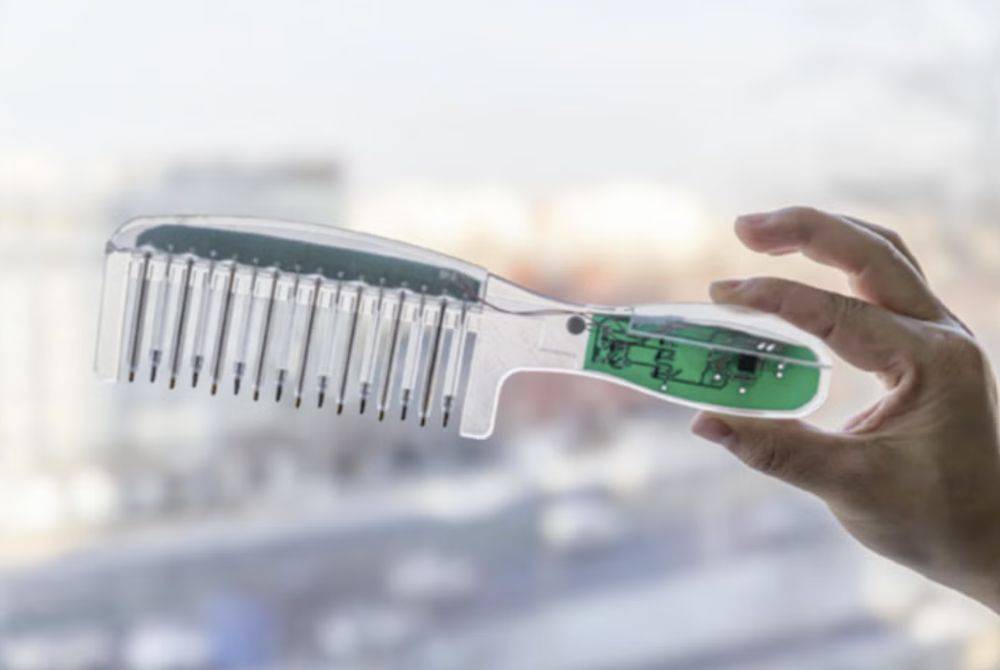
SHAH ALAM - Chinese researchers have developed an experimental electronic comb that restored nearly 100 per cent hair growth in mice within a month, raising hopes for a potential new treatment for male-pattern baldness.
The device, known as Detangle, was developed by a research team from Beihang University in Beijing and uses electrical stimulation combined with drug delivery to encourage hair regrowth.
According to a study published this month in the scientific journal Nature Communications, the technology significantly outperformed conventional topical minoxidil treatment, the active ingredient in popular hair loss medication Rogaine.
The study, titled Combing-triggered Electrostimulation Synchronizing Deep Delivery for Rapid Hair Regrowth in Androgenetic Alopecia, found that the electronic comb achieved nearly 100 per cent hair restoration in mice within one month, compared with approximately 70 per cent using minoxidil.
"The system significantly increases hair restoration efficacy in an androgenetic alopecia mouse model, improving outcome from 70 per cent to nearly 100 per cent within one month compared to conventional topical minoxidil treatment," the researchers wrote in the study.
The Detangle comb features electronic teeth embedded with "height-differentiated electrodes and integrated drug-loading molecules", which generate an electric field around hair follicle regions to stimulate regrowth while facilitating the delivery of therapeutic substances.
Researchers believe the findings could potentially pave the way for a new approach to treating androgenetic alopecia, commonly known as male-pattern baldness.
However, the technology remains experimental and has so far only been tested on mice. Its effectiveness and safety in humans have yet to be established.
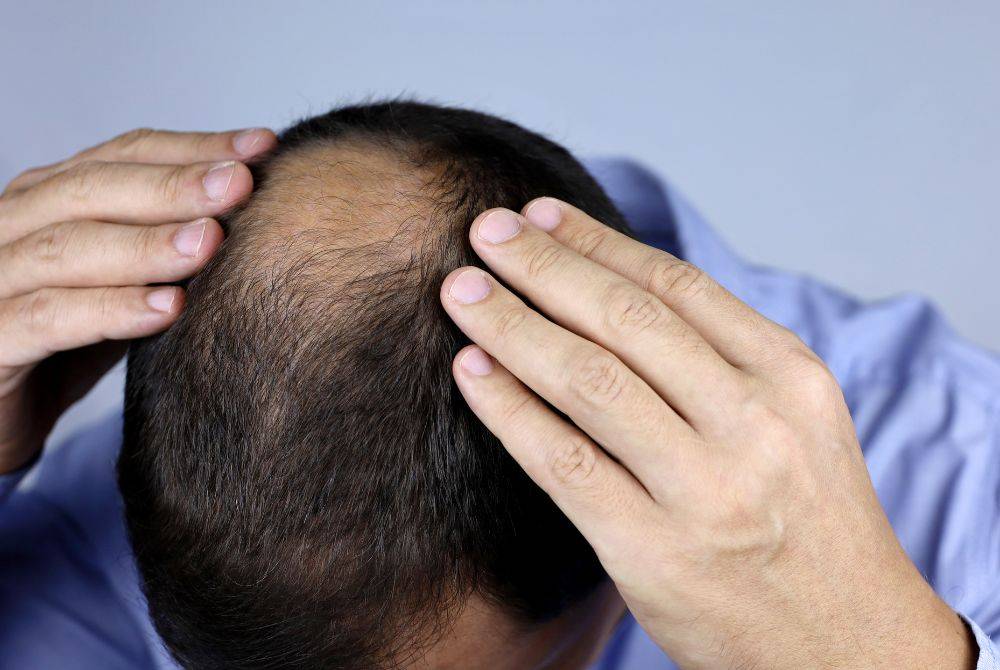
Male-pattern baldness is a common condition that affects up to 80 per cent of men during their lifetimes. Beyond physical changes, it can also have psychological and quality-of-life implications for those affected.
Despite its prevalence, available treatment options remain relatively limited.
One of the most widely used treatments is minoxidil, which can slow hair loss and stimulate regrowth, although its effectiveness varies between individuals.
Results may take up to a year to become noticeable and users generally need to continue treatment indefinitely to maintain its benefits. Potential side effects include scalp irritation, while some users have also reported increased headaches.
Another commonly prescribed medication is finasteride, marketed under the brand name Propecia, which has demonstrated effectiveness in treating early-stage baldness.
However, its potential side effects include erectile dysfunction and depression.
Hair transplantation is another increasingly popular option, involving the removal of hair follicles from areas resistant to hair loss, such as the back and sides of the scalp, before implanting them into balding areas.
Although the procedure can be effective, it is invasive, potentially painful and expensive.
Compared with these existing approaches, the Detangle system offers a potentially different treatment method by combining electrical stimulation with targeted drug delivery.
Nevertheless, researchers have yet to establish whether the results observed in mice can be replicated in humans.
Further studies will be required to assess the device's safety, effectiveness and suitability for human use before clinical trials can proceed.
While the findings offer an encouraging development in hair loss research, the electronic comb is not yet an established treatment for baldness and people experiencing hair loss should not regard it as a proven alternative to existing therapies.
Download Sinar Daily application.Click Here!