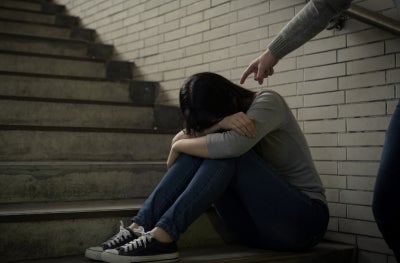
Why women struggle to leave abusive relationships and how to support them
For some women, speaking up or confronting their partners may also trigger further violence.
YASMIN ROSLI
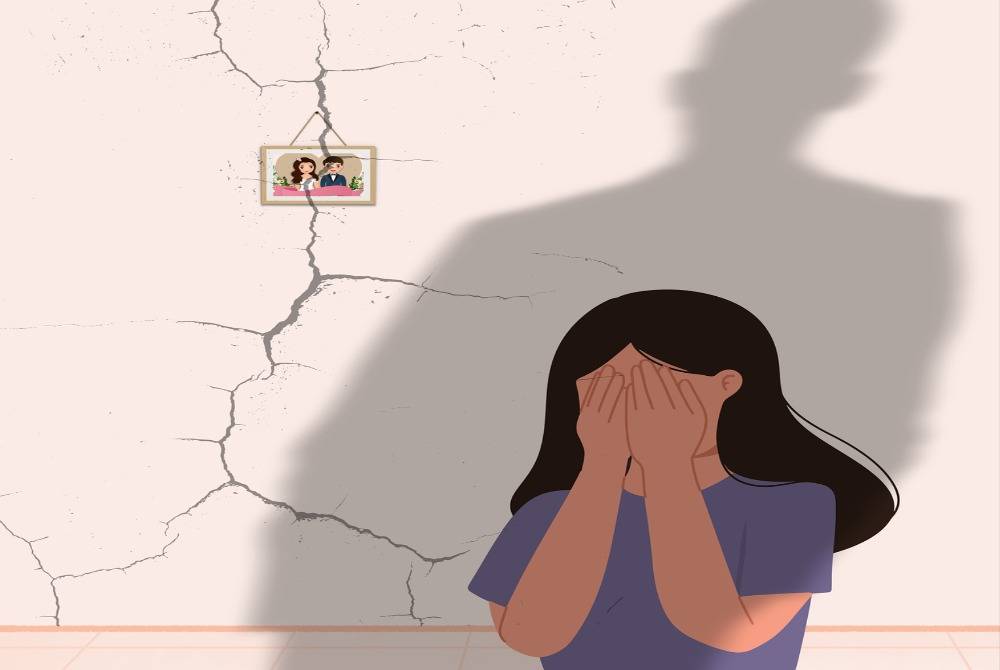
SHAH ALAM - Telling a woman experiencing domestic violence to leave her partner may sound like the obvious solution. But leaving can be one of the most difficult and dangerous decisions she has to make.
Fear of retaliation, financial dependence, concerns about children and the possibility of being tracked down can make it difficult for victims to walk away.
For some women, speaking up or confronting their partners may also trigger further violence.
The situation becomes more difficult when victims seeking help are met with questions that make them feel they have to justify their decisions.
Women's Aid Organisation (WAO) executive director Nazreen Nizam said such responses could make it even harder for women to seek help.
Leaving requires careful safety planning
Nazreen said women should not feel pressured to confront their partners or announce their plans to leave before they have a safe way to do so.
She said seeking help can begin by contacting a domestic violence service, counsellor, doctor, social worker or the police from a safe place. A private device should be used if there is a possibility that communications are being monitored.
"A safety plan may include identifying a trusted person, arranging somewhere safe to stay, keeping important documents and medication accessible, preparing some money and establishing a code word to signal danger.
"Keeping records of threatening messages, photographs of injuries and medical reports may also help if a woman later decides to seek legal protection.
"The priority should always be her safety rather than forcing her to make decisions before she is ready," she said.
How family and friends can help
Nazreen said family members and friends can play an important role in helping women recognise abuse and seek support.
However, she said approaching someone experiencing violence requires care, particularly when she is emotionally attached to the perpetrator, frightened or not ready to talk.
"Rather than asking why she has stayed or returned to her partner, those around her should listen without judgement and reassure her that the abuse is not her fault.
"The pressure to preserve relationships or protect family reputations can also make it harder for women to seek help.
"Advice to be patient, preserve the relationship or protect the family’s reputation can leave a woman feeling that she has nowhere to turn. We need to be clear that abuse is not something she is expected to endure," she said.
She added that simple questions such as whether a she feels safe at home or whether she would like information about support services can open a conversation without making her feel pressured.
Practical assistance, including transport, childcare, financial help or a temporary place to stay, may also give victims more options when they decide to seek help.
Nazreen also stressed that seeking help does not mean a woman is ready to share her experience publicly or with everyone around her.
"She should be able to decide how much of her experience she shares.
"If a woman denies the abuse or returns to her partner, friends and family should not abandon her or issue ultimatums," she said.
Nazreen said maintaining contact through a safe communication method and reminding her that support remains available can make it easier for her to reach out when she is ready.
The role of professionals
Nazreen said professionals dealing with women experiencing abuse must also respond carefully.
"They should assess the woman's safety privately, document concerns and connect her with appropriate domestic violence services, legal assistance and counselling.
"Psychological interventions such as cognitive behavioural therapy and motivational interviewing may help some men address aggressive behaviour and improve emotional regulation," she said.
However, she said treatment alone cannot guarantee that violence will stop. It should be accompanied by monitoring, safety planning and support for the victim.
She said women should not have to navigate abuse alone. They need to be heard, believed and supported without being blamed for the violence inflicted on them.
Download Sinar Daily application.Click Here!