Six or seven? Parents weigh children's readiness for Year One
As the 2029 implementation approaches, how well younger children are prepared for the transition will remain an important consideration for parents and schools.
YASMIN ROSLI
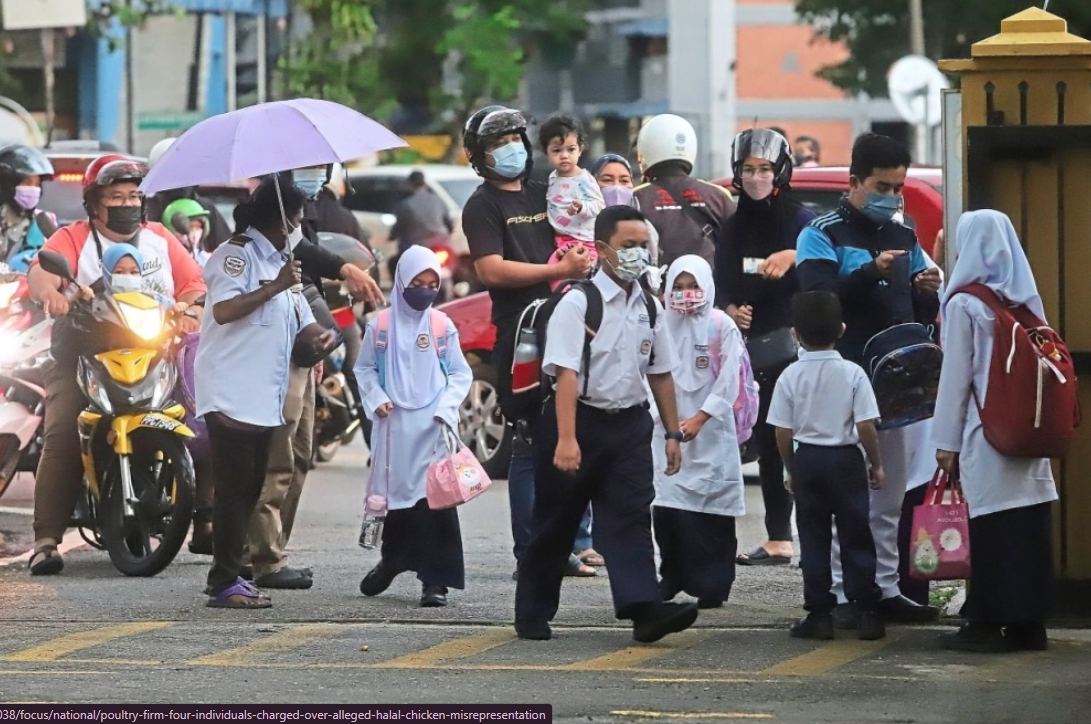
SHAH ALAM - For some parents, starting primary school at six is a natural progression, provided their children have been prepared academically, emotionally and in terms of independence.
Others believe children develop at different paces and should be given the flexibility to begin Year One at seven if they are not yet ready to manage the demands of school.
The differing views come as the government plans to make Year One enrolment compulsory for six-year-olds from 2029, prompting parents to weigh the benefits of an earlier start against concerns over their children's readiness.
Entrepreneur Nurazian Mustapa Bakri, 36, supports her son entering Year One in 2027 at six years old, saying she believes he is ready after preparing him in both academic and personal development.
She said she had introduced her son to basic reading, writing and counting, while also teaching him to manage his personal needs independently, particularly toilet routines.
"I enrolled my son in Taekwondo classes to help develop his discipline, confidence, independence and social skills, which are important as he transitions into primary school.
"Preparing a child for primary school is not just about reading, writing and counting, but also about building character and essential life skills," she told Sinar Daily.
Nurazian said her main concern was making sure children were emotionally prepared, as they needed to learn how to manage their feelings and build relationships with teachers and classmates.
Having already registered her son for Year One at six, she said she was comfortable with the decision as she believed her son was sufficiently prepared for the transition.
University administrator Siti Fatihah Muhammad Ghazali, 38, also supported the government's plan saying she intended to enrol her youngest daughter in Year One who would turn six in 2029.
The mother of two said early education was important as children could absorb knowledge during their developmental years.
Working in the education sector, she believed the move could benefit children, but said schools needed to be ready to accommodate younger pupils.
"Some six-year-olds might still be wearing diapers or need help using the toilet, making it important for schools to have suitable facilities and enough teachers to assist them.
"Teachers also need to be prepared to handle younger pupils and use teaching approaches suited to their age," she said when contacted.
However, she said not all parents felt their children were ready to start school at six.
Meanwhile, finance executive Syamimi Kamaruddin, 36, said she preferred her son to enter Year One at seven as she felt he needed more time to develop emotionally and academically.
"My son could interact with others and make friends, but he is still learning to recognise and manage his emotions.
"His basic reading, writing and counting skills also needed further improvement before he could comfortably enter primary school," she said.
Syamimi said she was concerned that some younger children might struggle with independence, following instructions and managing their emotions in a classroom environment.
She also felt children should have enough time to enjoy their childhood through play and exploration instead of facing academic pressure too early.
Although she believed children could adjust to longer school hours, she said the change might be overwhelming at first as they got used to different teachers, routines and learning environments.
Software engineer Nazurah Karim, 34, shared similar concerns saying she prefers her son who is now four years old to start Year One at seven.
Her main concern was her son's readiness to manage his personal needs, particularly toilet training as he has yet to develop fully independent bathroom habits.
The mother of two said she appreciated the government's initial optional arrangement as it gave parents time to prepare, but felt compulsory enrolment could be difficult for children who were not yet ready.
"Children develop at different paces and some may need more time to build the independence required for formal schooling.
"My four-year-old is still wearing diapers and we are still working on his basic self-care skills," she said when contacted.
She was also concerned about how younger children would manage in classrooms with 30 to 40 pupils, particularly those who still needed help with toilet breaks and other daily needs.
While acknowledging the importance of education, Nazurah believes parents should be given the flexibility to decide when their children are ready for Year One rather than making early enrolment compulsory for all.
She suggested introducing pre-registration readiness assessments for parents and smaller transition groups to help children adjust to the primary school environment.
Yesterday, the government announced that it will make Year One enrolment compulsory for six-year-old children from 2029, with preparations for the initiative being carried out continuously from this year.
Education director-general Datuk Dr Mohd Azam Ahmad said to ensure smooth implementation, enrolment for six-year-old pupils will be offered on an optional basis in 2027 and 2028 before being made compulsory in 2029.
Download Sinar Daily application.Click Here!