Year One at six must not leave schools scrambling for resources, NUTP warns
NUTP supported education reforms but stressed that the changes must not increase teachers' workload or affect the quality of education and learning outcomes for pupils.
YASMIN ROSLI
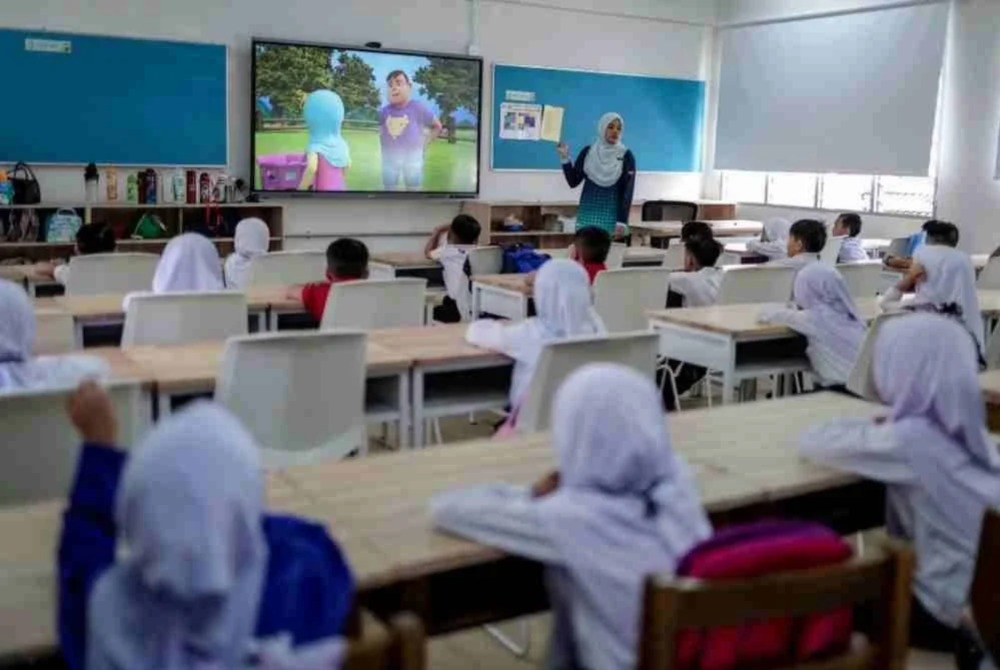
SHAH ALAM - The proposed admission of six-year-olds into Year One must not leave schools scrambling for classrooms, teachers and facilities, the National Union of the Teaching Profession (NUTP) warns, stressing that the policy requires comprehensive planning and adequate resources before implementation.
NUTP secretary-general Fouzi Singon said the union supported the policy in line with developments in education, particularly in recognising pupils' psychosocial development, cognitive abilities and learning readiness.
"If children have already attended childcare centres or kindergartens and have demonstrated an appropriate level of readiness, there should be no issue with allowing them to proceed to Year One at the age of six.
"Nevertheless, their overall readiness must be carefully assessed to ensure that they can adapt successfully to the formal school environment," he told Sinar Daily.
However, he said the move would require more than just preparing pupils for early admission, as schools must also have enough classrooms, teachers, learning facilities and support staff.
He added that sufficient financial allocations must also be provided, with the number of teachers determined by the actual needs of schools.
While teachers were always ready to carry out government education policies, he said the Education Ministry must ensure that schools had the necessary resources before the policy was implemented.
"Planning should not stop at Year One, but must take into account the needs of each cohort throughout their education until they reach the Sijil Pelajaran Malaysia (SPM) level or enter vocational colleges.
"The ministry should have carried out detailed studies and impact assessments, supported by reliable data, before announcing the policy," he said.
Fouzi cautioned against a situation where authorities were forced to scramble for classrooms, teachers and basic facilities only after pupils had entered the education system.
Such a situation, he said, could disrupt the smooth implementation of the policy and place additional pressure on teachers and school administrators, while raising concerns over whether the policy was properly planned.
He said NUTP supported education reforms but stressed that the changes must not increase teachers' workload or affect the quality of education and learning outcomes for pupils.
Download Sinar Daily application.Click Here!