SIRIM at 50: Time to stop being the referee and start playing the game
As Malaysia seeks to move up the manufacturing value chain, SIRIM must help industries develop technology, not just certify products.
AHMAD IBRAHIM
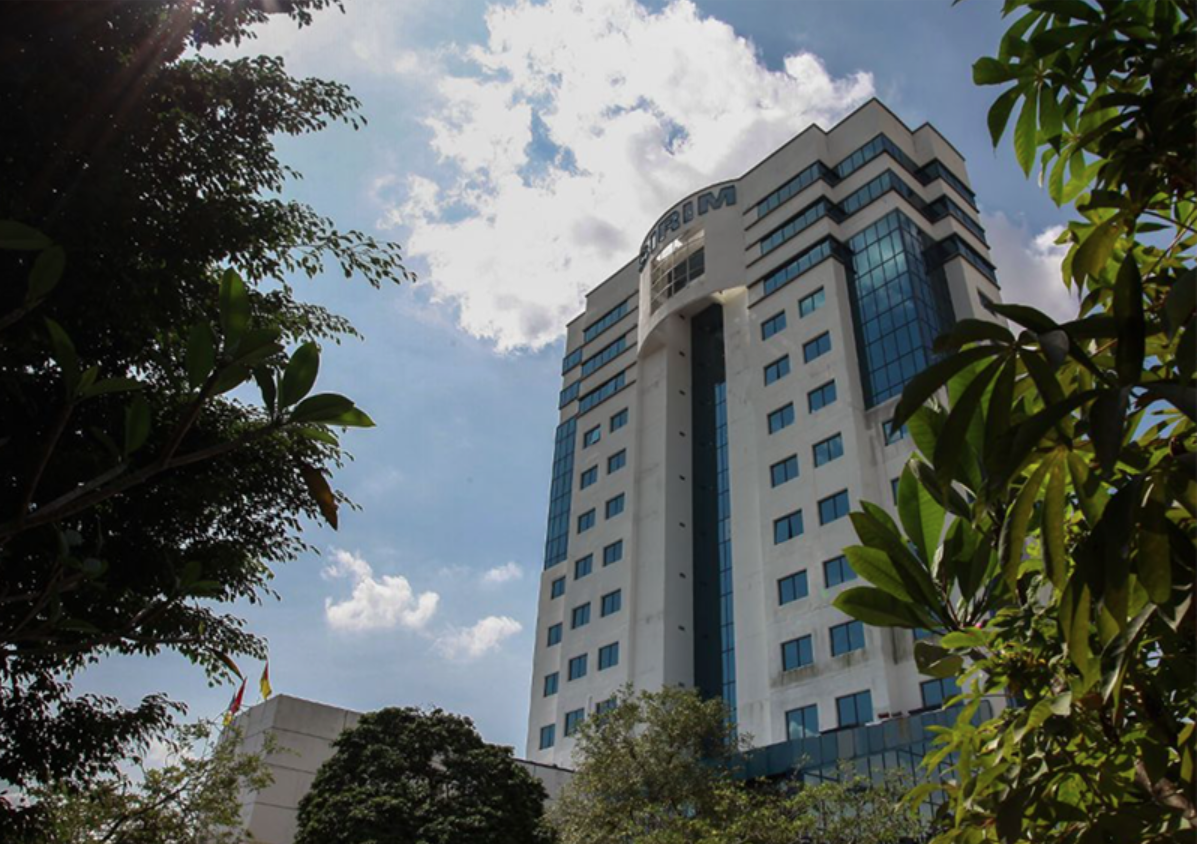
SIRIM Berhad turns 50 this year. For most Malaysians, the name means one thing: safety. The SIRIM label on a plug, a helmet or an electrical appliance is a quiet promise that the product will not harm you. That trust is a national asset. But it is not the same as being the engine of industrial research that SIRIM was created to be.
That gap matters more than ever. Malaysia wants to move up the manufacturing value chain. It wants higher wages, better jobs and firms that compete on technology rather than cheap labour. That requires institutions that do not merely certify what industry produces, but help industry produce better things. SIRIM should be that institution. Today, it is better known as a standards referee than an industrial research champion.
The comparison with Germany’s Fraunhofer Society is unavoidable. Fraunhofer institutes are the gold standard for applied research. They work closely with universities, but they are judged by a brutal, healthy discipline: no more than one-third of their research budget comes as base government funding. The rest must be earned through industry contracts and competitive grants. That forces researchers to listen to real problems. It also builds trust with firms, because the work must be useful enough for someone to pay for it.
SIRIM already has a Fraunhofer link. The SIRIM-Fraunhofer programme has helped Malaysian SMEs audit their technology readiness and prepare for Industry 4.0. That is a useful bridge. But a bridge is infrastructure for others to cross. SIRIM must cross it too—from helping firms adopt technology to creating the technology they adopt.
The missing link is universities. Fraunhofer’s secret is not just money. It is porosity with academia. Leading researchers often hold a university chair and direct a Fraunhofer institute at the same time. Students, ideas and equipment move between the two. Malaysia has strong public universities producing good basic research, but the conveyor belt from laboratory to factory floor is broken. SIRIM is uniquely placed to fix it—but only if it is structurally tied to universities, not merely downstream of them.
Rebranding cannot be a communications exercise. If SIRIM is to be seen as a research champion, it must be one. That requires four changes.
First, a new charter. SIRIM’s current role as a wholly-owned company under MITI is broad but cautious. A charter explicitly mandating it to lead applied, industry-driven research in advanced manufacturing—akin to the laws governing Fraunhofer or Taiwan’s ITRI—would give it legal clarity and permission to take risks that a certification body cannot.
Second, a funding compact that rewards relevance. Malaysia should move toward the Fraunhofer formula: stable public funding for high-risk translational work, plus competitive grants and direct industry contracts. This would force SIRIM’s agenda to be co-owned by the firms it serves. Existing matching grants and NIMP 2030 funds are a start, but the shift must be systemic.
Third, a cultural pivot toward commercialisation. SIRIM’s engineers are trained to test and certify. A research champion needs engineer-scientists who patent, license and spin off companies. Career paths and incentives must reward industry collaboration and technology transfer, not just audits and papers.
Fourth, a deliberate university integration strategy. SIRIM should negotiate joint appointments with research-intensive Malaysian universities. Senior SIRIM researchers should hold adjunct chairs; university academics should lead SIRIM groups. Joint doctoral programmes would create talent that understands both research rigour and industrial urgency. The existing SIRIM-Fraunhofer collaboration can be upgraded into tripartite platforms—SIRIM, a Malaysian university and a Fraunhofer institute—focused on smart automation, sustainable manufacturing or advanced materials.
The real test will be SMEs. They are the backbone of Malaysian manufacturing, yet many cannot afford their own R&D. A transformed SIRIM should be their technology partner—not just auditing readiness, but co-developing solutions, sharing pilot production lines and offering affordable technology subscriptions. If SIRIM can make advanced capabilities tangible for a few hundred SMEs in high-value niches, the rebranding will take care of itself.
SIRIM does not need to abandon standards. Trusted certification will become more valuable as rules on sustainability, digital trust and product safety tighten. But standards alone will not move Malaysia up the value chain. Fifty years is long enough to earn trust for safety. The next fifty require SIRIM to earn trust for the future. That means a new charter, a new funding discipline, a new relationship with universities and a new appetite for commercial risk. The Fraunhofer model is not a fantasy. It is a proven operating system for the institution SIRIM was always meant to be. The question is whether SIRIM will stop being the referee and start playing the game.
Professor Datuk Dr Ahmad Ibrahim is a professor at the Tan Sri Omar Centre for STI Policy, IISDS, UCSI University and adjunct professor at UAC, Universiti Malaya.
The views expressed in this article are his own and do not necessarily reflect those of Sinar Daily.
Download Sinar Daily application.Click Here!