Non-Muslims give bribes the most, says Sanusi
SINAR DAILY REPORTER
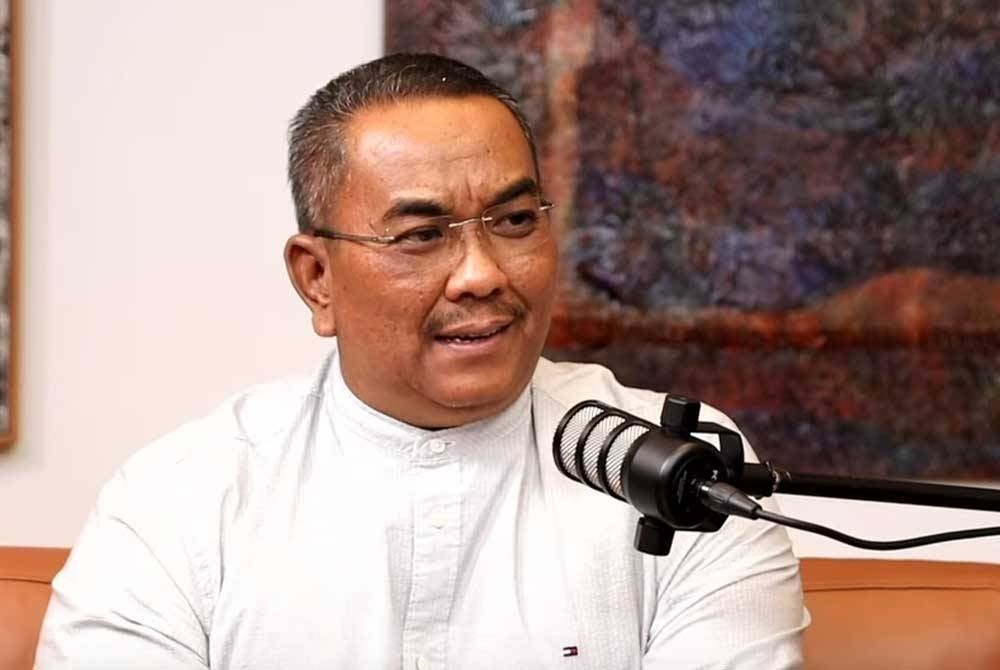
SHAH ALAM: Non-Muslims are mostly the ones who get arrested for giving and taking bribes, says Kedah Menteri Besar Datuk Seri Muhammad Sanusi Md Nor.
Sanusi said this in agreement with Pas president Tan Sri Abdul Hadi Awang's prior statement that non-Muslims were why corruption was happening in Malaysia, and he said this was the truth and a fact.
"I stand by Tok Guru (Hadi's) statement. As long as it is the truth, I will stand by it.
"You can go and check how many non-Muslims were arrested for giving and receiving bribes," he said in the 'Keluar Sekejap' podcast with former Umno Youth chief Khairy Jamaluddin and former Umno information chief Shahril Hamdan, which was aired on social media platforms on Tuesday.
When asked about the need for Hadi to make a blatant statement, Sanusi pointed out that DAP played up the corruption issue.
"DAP was the one who called Malay leaders corrupt and said they couldn't be trusted.
"They had actually said that it is better to have non-Muslim leaders who are good than Muslim leaders who are corrupt. But based on facts, it is the non-Muslims who were arrested the most for giving and receiving bribes.
"We can't trust everything DAP says. We need to check back on the facts," he added.
Asked if statements made by Pas in recent times would affect non-Malays support for Perikatan Nasional (PN), Sanusi, who is also the coalition’s elections director, said the statement was made to correct the narrative that claimed Malay-Islam leaders are corrupt.
"Yes, the narrative (played up by DAP) is dangerous, and we needed to correct it," he added.
Download Sinar Daily application.Click Here!