Ramadan: Beggars in Kelantan can reap five-figure incomes - Welfare Dept
They were found to earn more than RM300 a day.

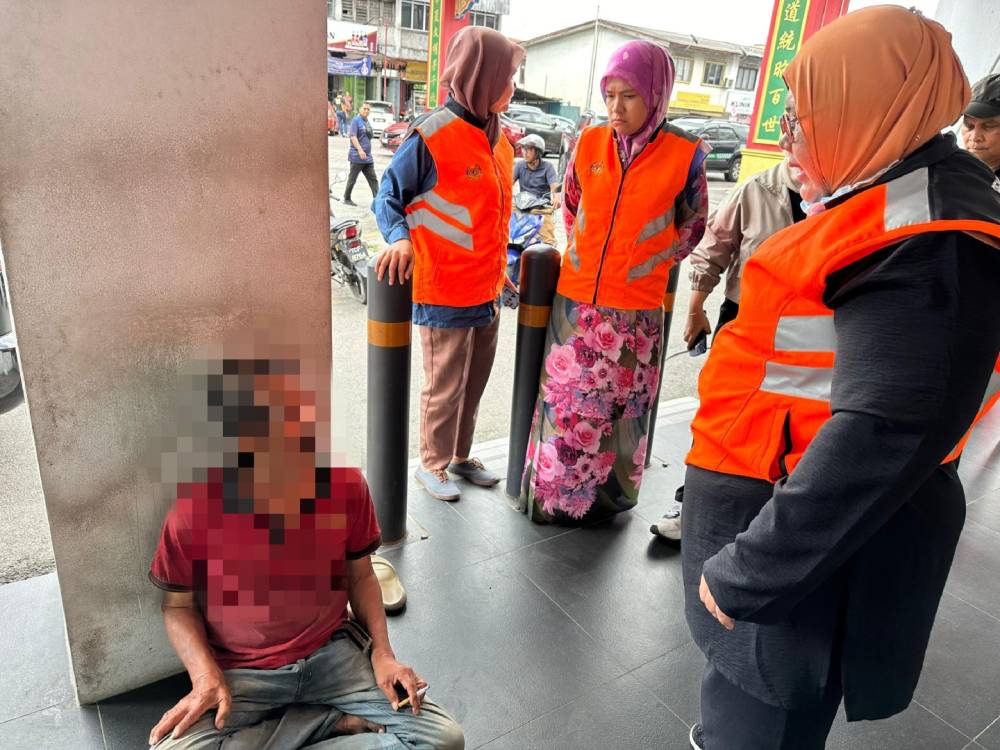
PASIR MAS - The Kelantan Social Welfare Department (JKM) revealed that beggars on the streets in Kelantan are able to earn 5-figure income during the month of Ramadan by turning the generous nature of people into a lucrative opportunity.
State JKM director Said Sudip said the amount earned by beggars will see a significant increase during the month of Ramadan since Muslims are known to be charitable during the fasting month.
He said based on an integrated operation carried out, beggars were found to earn more than RM300 a day.
"Every year, during the month of Ramadan, such activities become a trend and the number of beggars will see a significant increase comprising locals and ‘imported’ beggars, especially from Thailand.
"The beggars will give various reasons and tactics like claiming they have no income, not enough money, mental case, using babies to garner sympathy,” he said after presenting contributions at the Post Floods Financial Aid in conjunction with the ‘Back to School’ programme at Sekolah Kebangsaan Rahmat, here today.
He said there were local beggars and ‘imported’ beggars who are healthy and normal but act as disabled persons to draw sympathy.
Said Sudip said the Kelantan JKM had captured 25 beggars, aged between 30 and 70, during three operations held throughout the month of Ramadan and another integrated operation with local government and a number of enforcement agencies.
"Foreign beggars will be handed to the immigration for further action while local will be given a stern warning to deter them from such activities," he said. - BERNAMA
Download Sinar Daily application.Click Here!