Malaysia consumes microplastics more than any other country
Malaysians consume about 15 grams of microplastics each month.
SHARIFAH SHAHIRAH
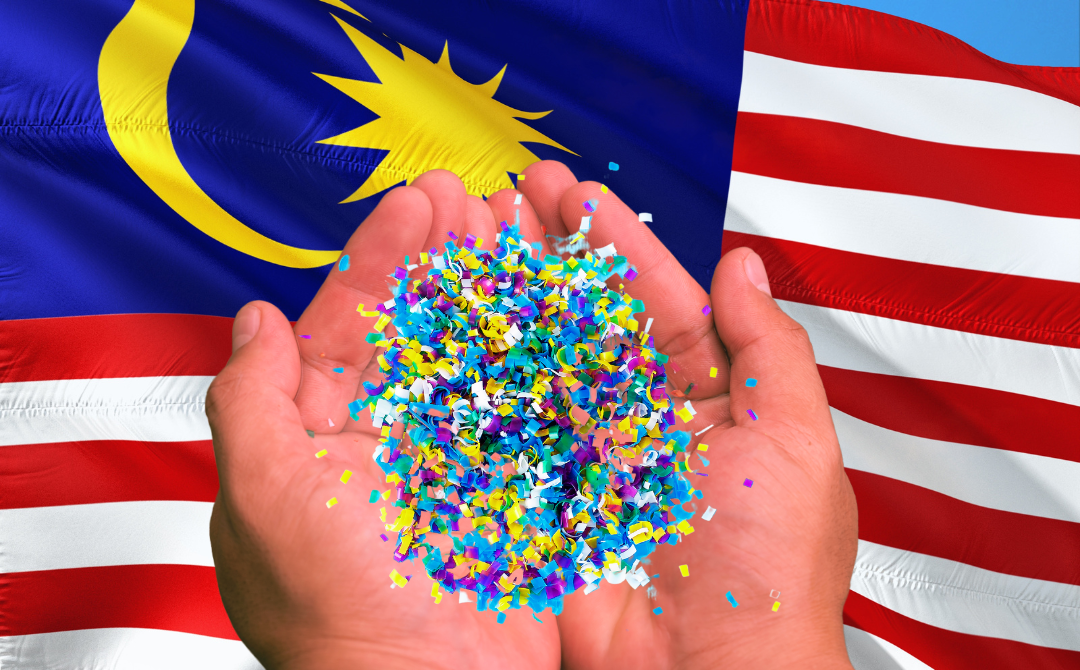
Malaysia tops the list as the country with the highest oral consumption of microplastics.
A study published by Environmental Science and Technology journal investigated multiple factors that contribute to this such as eating habits, food processing methods, age demographics, and breathing rates.
While Malaysia lands the top spot, Indonesia comes in second while Egypt is in third place among the top 20 list.
It was reported that Malaysians consume about 15 grams of microplastics each month. Most of these plastic bits come from seafood and other aquatic sources.
Microplastics, defined as plastic debris smaller than 5mm, originate from various sources such as microbeads in cosmetics, synthetic clothing microfibers, and degraded fragments of larger plastic items.
These tiny plastic particles constitute a pervasive environmental pollutant found in two primary forms: primary and secondary microplastics. Although ongoing research investigates their health impacts, microplastics have been detected in human blood and organs.
Widespread in the environment, microplastics pose risks to wildlife and potentially human health. They can combine with other chemicals and be consumed by marine organisms. Humans may ingest microplastics through seafood, salt, and drinking water.
Primary microplastics are intentionally manufactured small plastic particles found in products like cosmetics, scrubbers, and air-blasting technology.
Secondary microplastics arise from the degradation of larger plastic debris through physical, chemical, and biological processes such as sun exposure and wave action. Washing synthetic clothing also releases microplastic fibers.
In a recent post on platform X (formerly known as Twitter), Dr Fitri, a PhD holder in Fish Genetics, raised concerns over a business owner using a garbage bin to prepare food for sale.
Dr. Fitri's comments were in response to a video shared on X, originally posted on TikTok, which showed a seller soaking cooking ingredients in a black bin typically used as a trash container in Malaysia.
"They then act surprised that Malaysians have the highest microplastic content globally," Dr Fitri noted in his post.
Even after receiving warnings from the public regarding the hazardous and unhygienic aspects of using the black plastic bin, the seller persisted in defending himself.
He argued that he had purchased the bin from a Tupperware store and asserted that the shop owner had not informed him that it was intended for trash.
Additionally, he stated that numerous Malaysians utilise the bin for activities such as filling water and bathing.
The seller contended that the trash bin remained clean because he solely used it for food preparation not disposing of trash, suggesting that only a minority may hold a different opinion on the matter.
A significant portion of the Malaysian population remains oblivious to the inherent risks associated with microplastics, often perceiving it as a trivial issue devoid of life-threatening consequences.
Education about microplastics needs to be enhanced in Malaysia and awareness needs to be raised so that many Malaysians do not act recklessly and have more knowledge to mitigate the risk of the highest consumption of microplastics.
Conversely, the countries with the lowest consumption of microplastics are Paraguay, Pakistan, Syria, Guinea-Bissau, Bolivia, South Africa, Jordan, Iraq, Serbia, and Venezuela.
Download Sinar Daily application.Click Here!