Tun M worried Malaysians might take extreme measures amid economic pressures, cites family murder-suicide cases
He was commenting in response to the decision to the government’s decision to implement targeted fuel subsidy rationalisation recently.
TASNIM LOKMAN ASHWIN KUMAR

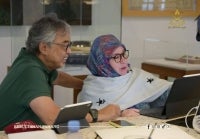
PUTRAJAYA - Former Prime Minister Tun Dr Mahathir Mohamad expressed profound concerns regarding Malaysia's current economic conditions and the state of leadership, highlighting critical issues impacting the nation's future.
He was commenting in response to the decision to the government’s decision to implement targeted fuel subsidy rationalisation recently.
"It is going to be very difficult. Already the cost of everything has gone up. When you say that only certain groups benefit, other groups do not.
“Those who do not enjoy subsidies, their costs go up," he told Sinar Daily during an exclusive interview titled Politics, Corruption and Possible Revenge: Fireside Chat with Tun Dr Mahathir Mohamad.
He further emphasised the economic repercussions of selective subsidy policies.
Dr Mahathir said when costs go up, the people who are poor will pay a higher price because they will also feel the effect of withdrawal of the subsidy.
He stated that you need fuel for everything that you do, and when the price goes up, your product also goes up in price.
“So the poor people will again suffer,” he said.
Commenting on social issues exacerbated by economic strain, Dr Mahathir pointed out concerning trends such as the unprecedented increase of suicide cases among Malaysians, especially the Malay.
"We are seeing in Malaysia today, people who have sort of lost their minds. There have been cases of suicide among Malays.
“Malays normally do not commit suicide, but when you find you can't even feed your own children, then of course you may commit suicide," he said, highlighting the severity of economic hardship faced by some segments of society.
Dr Mahathir also raised alarm over instances of extreme behaviour of cases where people killing their family and themselves due to financial pressure.
"There have been cases of a man killing his father and mother. There was one woman who killed her baby," he said.
These acts, he said, was the distress and desperation faced by individuals grappling with economic challenges.
Download Sinar Daily application.Click Here!