Illuminating heritage by reviving Wayang Kulit through creativity and education to kids
Illya Sumanto believes that integrating Wayang Kulit into modern education is key to its survival, inspiring young people to take pride in their cultural roots.



Petaling Jaya native Illya Sumanto’s passion for Wayang Kulit goes beyond performances. As a performing arts teacher in Chiang Mai, Thailand, she uses the art form as a tool to connect with younger generations, ensuring the tradition remains relevant.
Through her educational initiatives with the International Schools of Theatre Association, the 35-year old introduces children worldwide to the magic of shadow puppetry.
She combines traditional Wayang Kulit elements with interactive activities like puppet-making and storytelling, making the art form accessible and engaging.
“Kids love creating their own puppets and designing their ‘inner monsters’. It’s a way for them to explore their emotions while learning about this beautiful tradition,” she said.
Her workshops emphasise creativity, allowing students to express themselves while gaining an appreciation for Southeast Asian heritage.
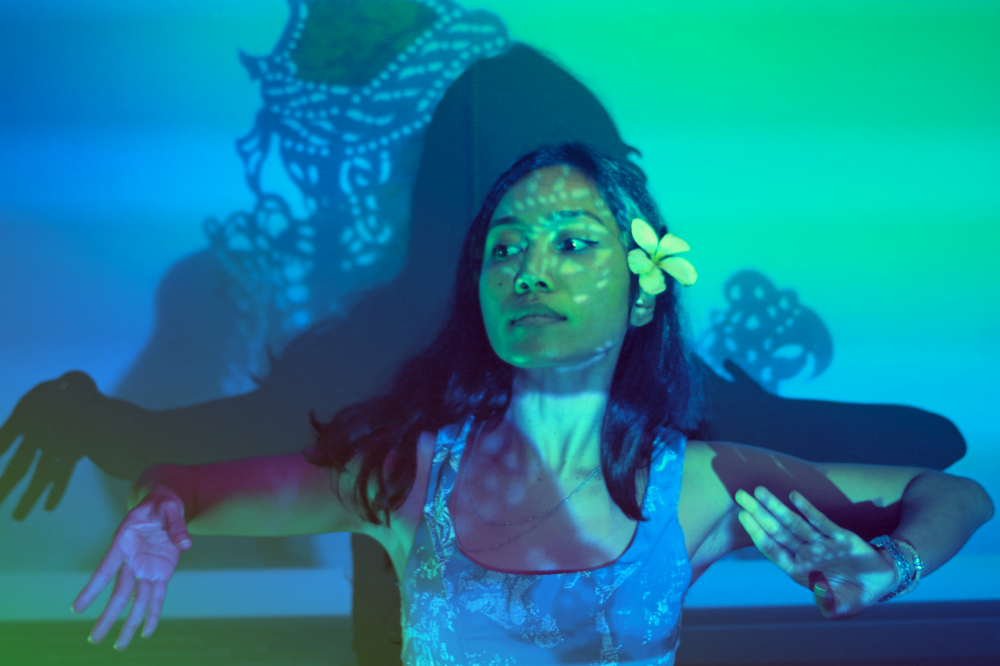
Illya believes that integrating Wayang Kulit into modern education is key to its survival, inspiring young people to take pride in their cultural roots.
“Wayang Kulit is more than just a performance—it’s a form of storytelling that carries deep cultural and emotional weight.
“By making it relatable, we spark curiosity and appreciation among people unfamiliar with its traditions,” she said.
For Illya, ensuring Wayang Kulit’s relevance among the younger generation is vital for preserving Malaysia’s unique cultural identity.
“Culture is the heart of our national identity. Without these traditions, we risk losing an essential part of what makes Malaysia unique,” she said.
Describing Wayang Kulit as a “mesmerising shadows and timeless tales”, Illya said those in the region especially from Malaysia, Indonesia and Thailand should continue uplifting the art as it was an important part of the country’s entertainment heritage and history.
In Malaysia, the most well-known styles are Wayang Kulit Kelantan, featuring the tales of the Ramayana, and Wayang Kulit Melayu that integrates local Malay folklore.
In Indonesia, there’s Wayang Kulit Purwa taht often depicts Javenes Hindu epics, while Thailand’s Nang Talung and Nang Yai emphasise the intricate puppet designs and Buddhist narratives.
Download Sinar Daily application.Click Here!