New US tariff has major impact on Malaysian economy, experts say
In the long run, the tariffs could have a ripple effect on Malaysia’s economy, including reduced exports, a weakening of the local currency and uncertainty in the investment and employment markets.

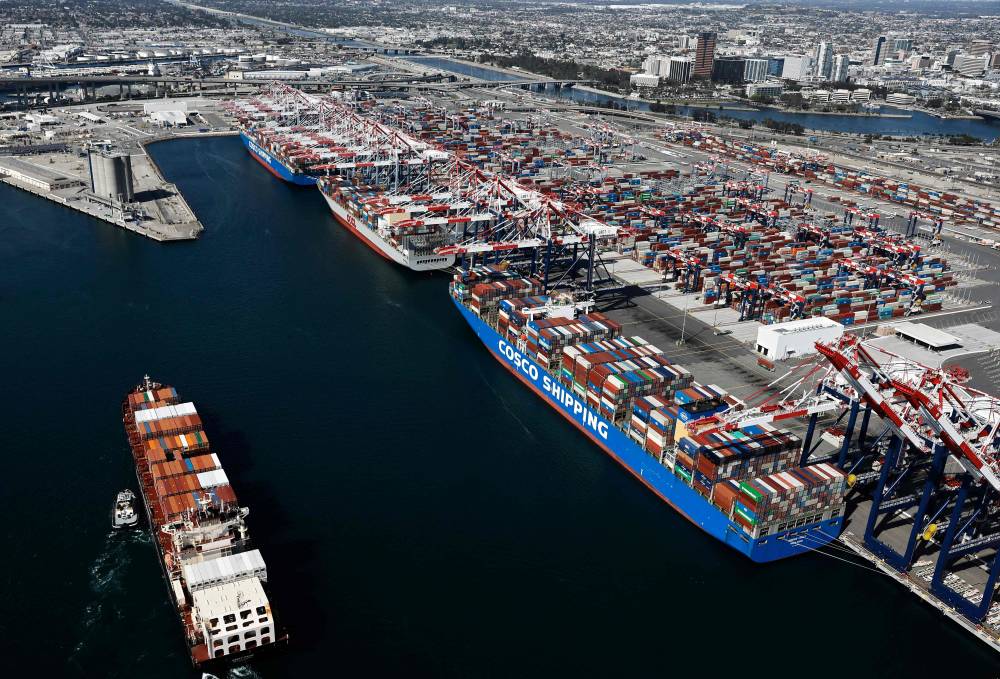
SHAH ALAM - The implementation of a 24 per cent retaliatory tariff by the United States (US) on certain goods from Malaysia is expected to have a significant impact on the nation's economy, as the US is one of Malaysia’s key trading partners.
Malaysia University of Science and Technology (MUST) economics expert Professor Emeritus Dr Barjoyai Bardai said the new tariff could lead to a decline in demand for Malaysian exports due to the increased import costs faced by US traders.
“They will likely take two main steps — first, seek alternative suppliers offering lower prices and second, negotiate with Malaysian exporters to revise their purchase agreements.
“As a result, Malaysian exporters may be forced to lower their prices, as they would have to absorb part of the tariff,” he told Sinar on Thursday.
He also predicted indirect effects on the domestic economy, including a rise in the prices of local goods.
“Traders in Malaysia are expected to raise prices, especially for imported goods, which will ultimately put pressure on consumers,” he said.
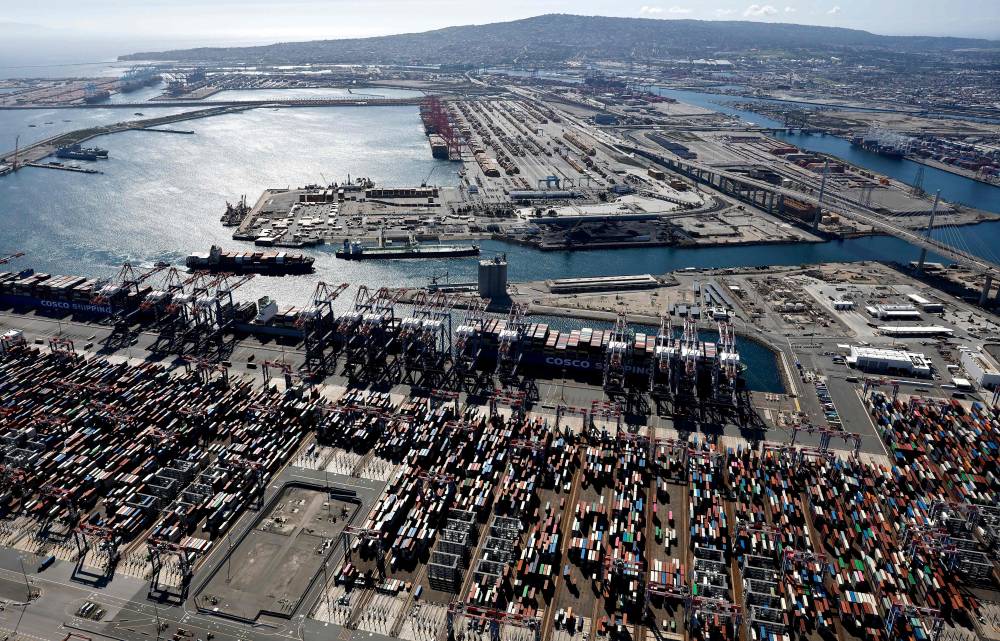
In the long run, he said, the tariffs could have a ripple effect on Malaysia’s economy, including reduced exports, a weakening of the local currency and uncertainty in the investment and employment markets.
Meanwhile, Bank Muamalat Malaysia Berhad’s Chief Economist Dr Mohd Afzanizam Abdul Rashid said if other major countries like the European Union (EU) follow suit by imposing tariffs on the US, a global trade war could escalate.
“This would be detrimental to all parties due to the increased costs borne by the countries involved, which in turn could slow down global economic growth.
“Malaysia, being an open economy that relies on international trade and investment, would inevitably feel the spillover effects of such a trade war,” he said.
He emphasised that negotiations with the US are the best approach, rather than retaliating with similar tariffs.
“Imposing counter-tariffs would only raise business costs and damage diplomatic relations with the US.
“It would be better to conduct negotiations collectively through appropriate platforms such as Asean,” he said.
Afzanizam said semiconductor products are exempt from the new US tariffs, while the glove sector stands to benefit from the policy — indicating that Malaysia still holds a strategic position in the eyes of the US.
Download Sinar Daily application.Click Here!