Sea Actions to review Jakarta Anti-Corruption principles for stronger mandate
Several important matters need to be taken into account to ensure that anti-corruption agencies are given a strong, independent and effective legal mandate.

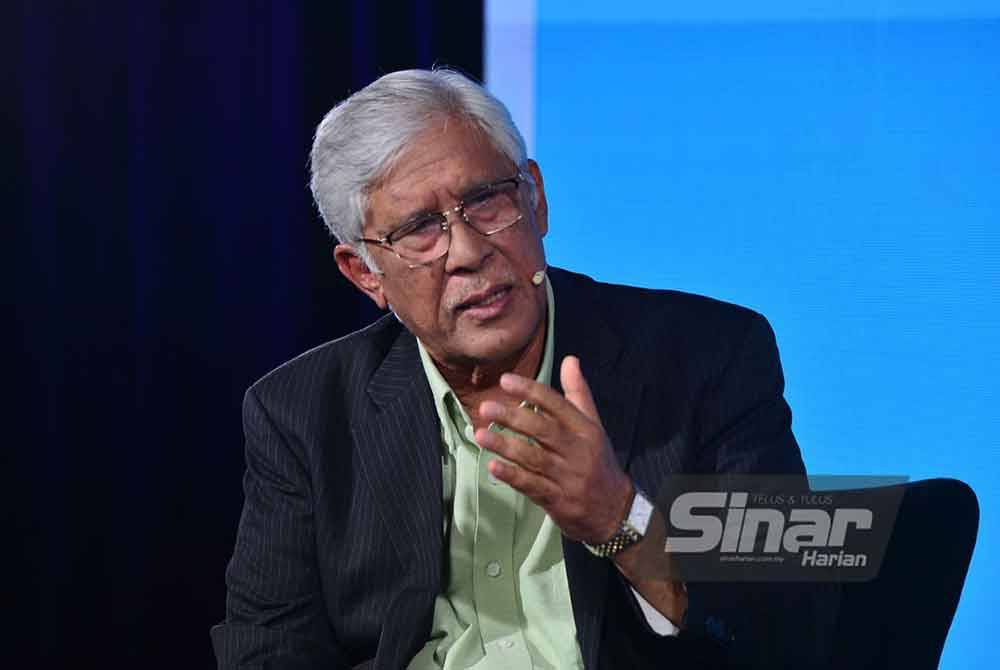
SHAH ALAM - The Southeast Asia Anti-Corruption Union (Sea Actions) is planning a review to ensure that it has fulfilled all 16 principles outlined in the Jakarta Statement on Principles for Anti-Corruption Agencies 2012 (Jakarta Statement 2012).
Sea Actions President Tan Sri Abu Kassim Mohamed said that several important matters need to be taken into account to ensure that anti-corruption agencies are given a strong, independent and effective legal mandate.
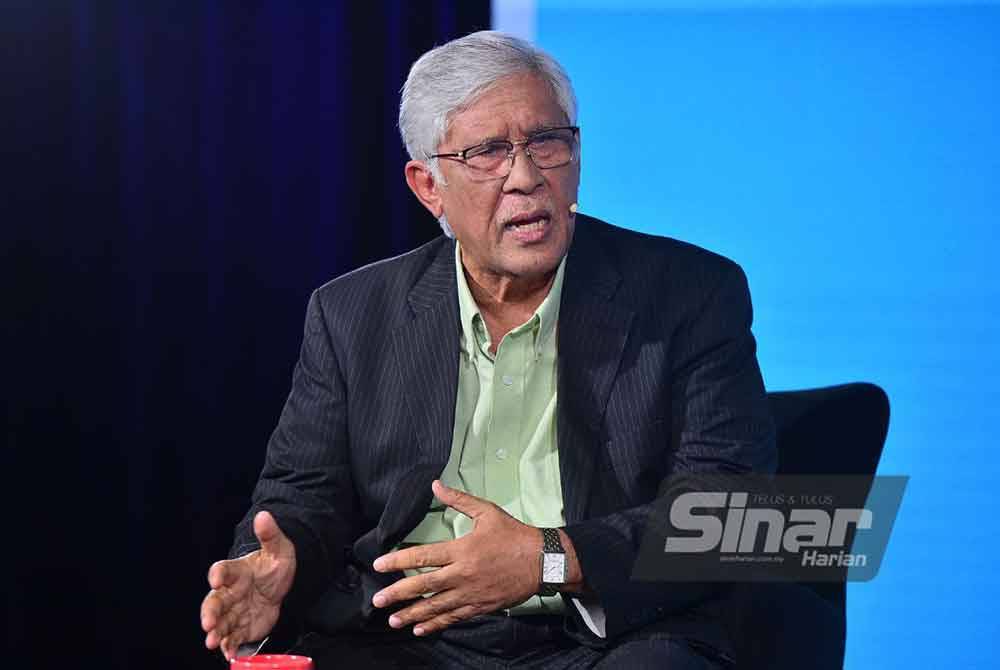
"Although it is necessary to comply with all the principles set out, we still believe that one key issue lies at the heart of anti-corruption agencies, which is independence.
"This can be seen in how the mandate is given – whether it is through the Constitution, the establishment of an anti-corruption institution, legislation, or administrative means.
"If it is done administratively, it is weak. But if it is placed under the Constitution, it becomes stronger because any attempt to abolish or amend it would require a two-thirds majority support," he said during the Special Forum: Jakarta Statement – Asean’s Solution Against Corruption, broadcast live on Sinar’s digital platforms on Wednesday.

Also invited as panellists were Rasuah Busters Chief Executive Officer (CEO) Nurhayati Nordin and Sea Actions Chairman Mochamad Praswad Nugraha. The programme was hosted by Haizir Othman.
Abu Kassim, who is also the former Malaysian Anti-Corruption Commission (MACC) Chief Commissioner, emphasised that anti-corruption bodies must be placed under constitutional authority to ensure greater transparency, independence and to strengthen their role as institutions of integrity.
According to him, three key aspects must be prioritised: operational independence, financial provisions and appointment processes.
"When acting independently, the institution will not differentiate between allies or opponents, and anyone found to be involved in corruption will be investigated.
"In the context of anti-corruption bodies around the world, the decision to carry out investigations must lie within the agency itself, especially its head of department.
"Therefore, the agency must be empowered with a solid structure and take into account other elements such as the appointment of the chief commissioner, the role of oversight bodies and a clear mandate through the constitution or legislation," he clarified.
Download Sinar Daily application.Click Here!