Can Malaysians still afford to eat by 2030? Food price data raises concerns
Malaysian food prices double in 13 years, triggering affordability crisis.
DANIAL HAKIM
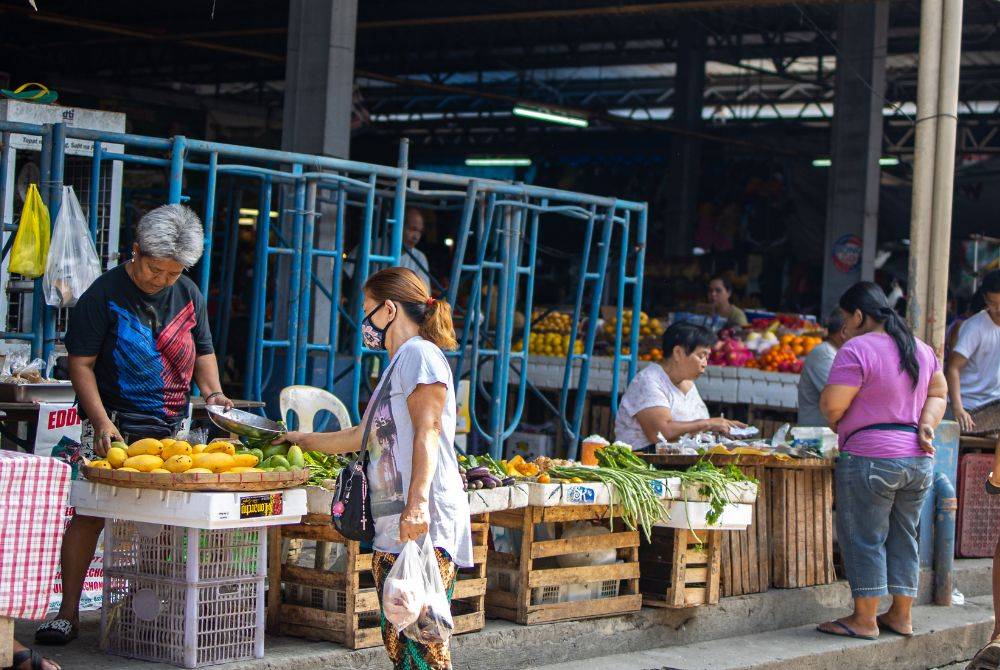
SHAH ALAM - With food prices in Malaysia nearly doubling over the past 13 years, new data from the Department of Statistics Malaysia (DOSM) has triggered concerns over affordability, dietary changes and long-term food security.
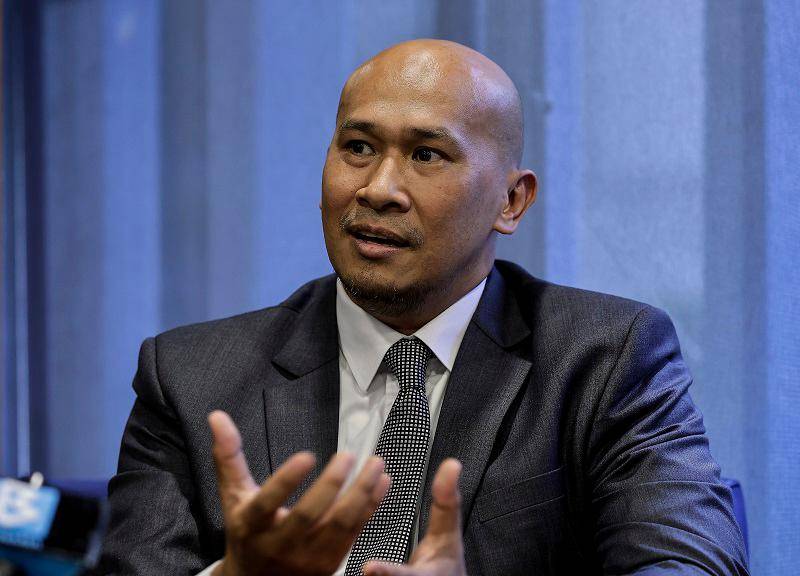
Yet, despite these alarming trends, Bank Muamalat Malaysia Bhd's chief economist Dr Mohd Afzanizam Abdul Rashid remained cautiously optimistic that Malaysians could afford daily meals by 2030—though not without major reforms.
Between 2010 and 2024, the price of everyday food items in Malaysia has surged by an average of 3.2 per cent annually, far outpacing the country’s general inflation rate of 2.0 per cent during the same period.
“We can expect such a trend to continue,” Afzanizam told Sinar Daily, citing structural weaknesses in food self-sufficiency and widening trade deficits in the agri-food sector.
In 2023 alone, Malaysia imported RM93.8 billion worth of agri-food products, while exports stood at RM54.5 billion—leaving the nation with a staggering RM39.3 billion trade deficit.
“From the supply side, there were structural issues concerning food self-sufficiency. Not to mention, possible malpractices in business dealings such as hoarding and price manipulation,” he added.
According to Afzanizam, while the ringgit has appreciated 3.74 per cent against the US dollar since early 2024, its impact on domestic food prices remains uncertain.
“It remains to be seen whether sellers would pass the benefits on to consumers by way of lower selling prices,” he said.
He pointed out that consumers were typically price takers and the lack of transparency in pricing structures disadvantages the buyer.
“There is information asymmetry between buyers and sellers... most of the time, consumers will pay the stated price,” he said.
To soften the blow of rising prices, the government has increased cash transfer allocations for programmes such as the Sumbangan Tunai Rahmah (STR) and the Sumbangan Asas Rahmah (Sara) initiatives, from RM10 billion in 2024 to RM13 billion in 2025.
However, Afzanizam stressed that enforcement of existing regulations is just as critical in curbing the increasing concerns of food price inflation.
“It’s about enforcement of existing laws and regulations and penalising perpetrators accordingly," he said.
He also called for price controls and subsidies to remain a central part of Malaysia’s strategy to ensure food affordability for the B40 and M40 income groups.
To break the cycle of reliance on imports and control food price inflation, increased investment in Malaysia’s agri-food sector remains a highly suggested move towards navigating the increasingly alarming food price trend.
“The government needs to invest more... to increase supplies and improve the food self-sufficiency level,” he said.
This would ultimately mean embracing modern solutions: smart farming technologies, higher crop yields, efficient land use and incentivising talent to enter the agricultural field.
Key components would also include better pesticides, fertilisers, animal feed and adherence to Good Agricultural Practices (GAP).
Despite rising prices and ongoing structural challenges, Afzanizam remains optimistic that with pro-business government policies and continued reforms, Malaysians can still afford food in 2030.
“Yes, Malaysia is blessed with natural resources, a highly educated workforce, a rich culture and is a peaceful country that could certainly attract investments from abroad.”
“I am positive that Malaysia should be in a better position as the government is proactively prescribing policies that will enhance the growth trajectory, and we should be able to reach high-income status by then,” he said.
Download Sinar Daily application.Click Here!