Pilates at home or in the studio: Which one actually works better?
Let's hear what the expert says.
DANIAL HAKIM
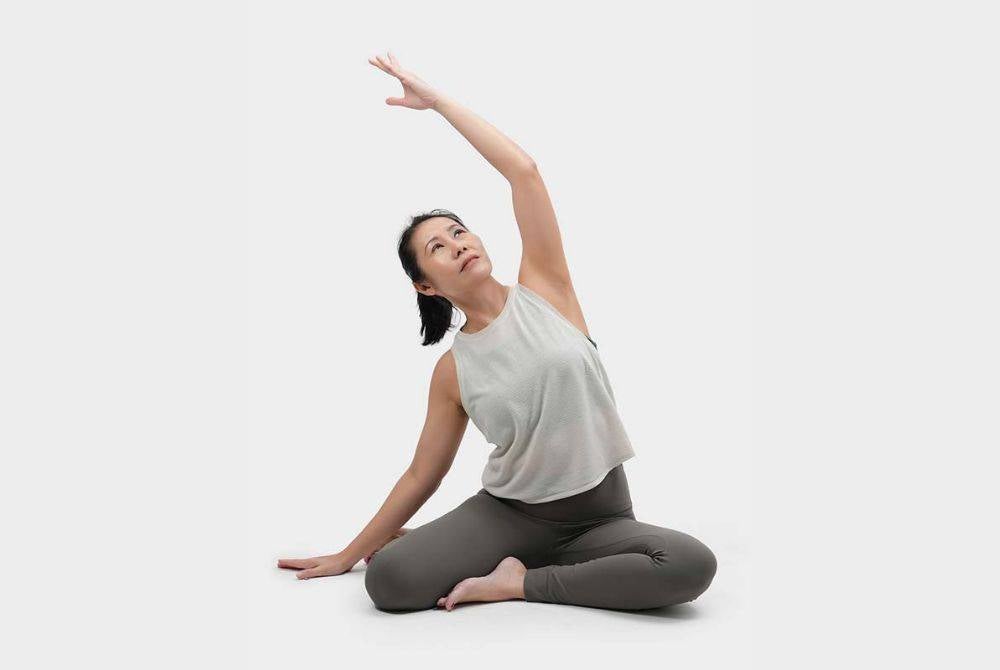
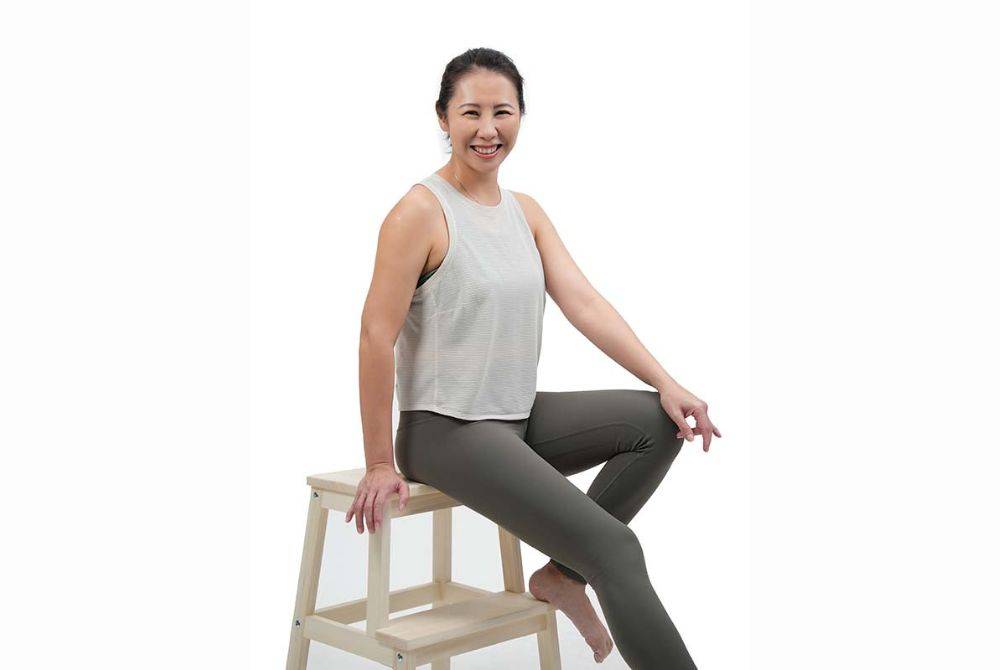
The answer, according to pilates expert Jaclyn Thooi, lies in your body, your goals, and your level of experience.
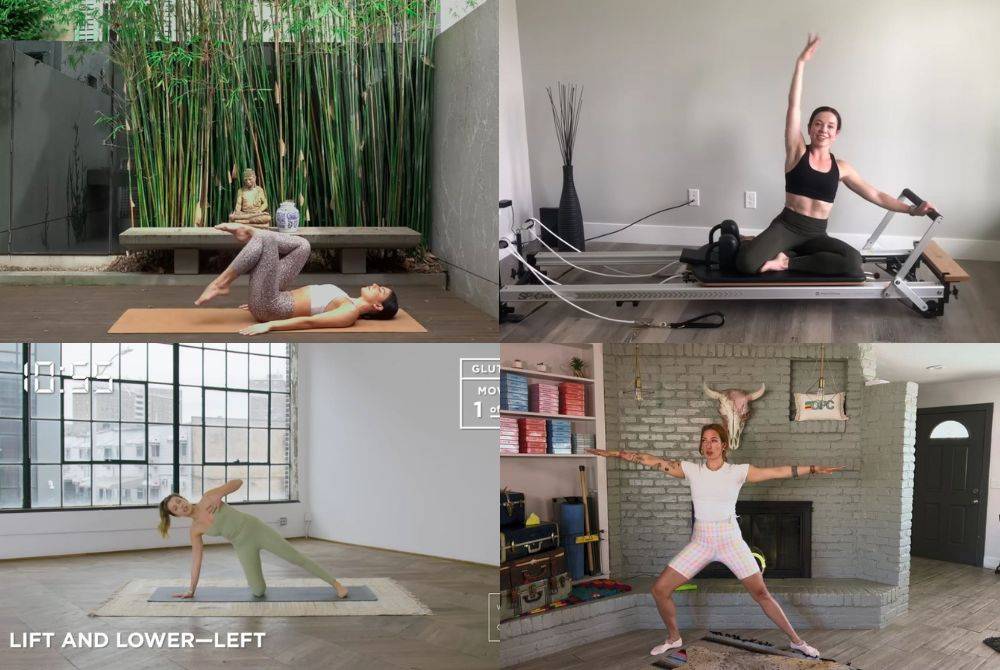
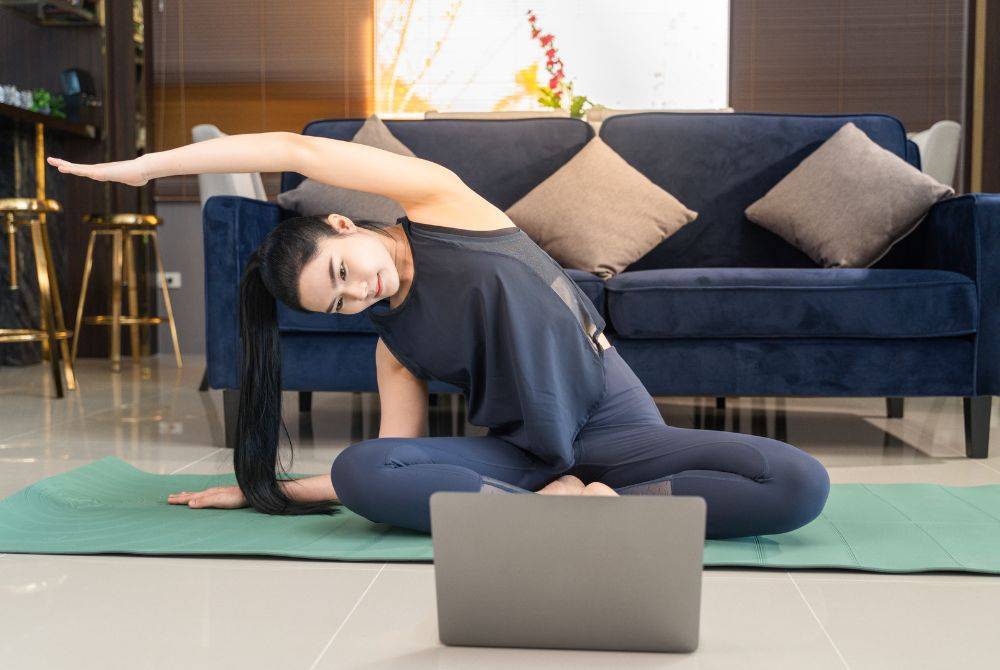
With hectic schedules and the rise of remote lifestyles, many are turning to digital pilates to stay consistent in their fitness routines. Whether it’s a pre-recorded class or a live virtual session, working out from home offers flexibility, privacy, and an affordable alternative to traditional studio workouts.
According to UK-based Pilatesfit Cambridge, practicing pilates at home can be ideal for those who want the freedom to work out at their own pace and in their own space.
Virtual or at-home sessions removes the need to commute, fits around your own time, and ultimately helps form a regular habit.
Additionally, virtual sessions allow users to rewind, pause, and review movements, putting complete control into the practitioner’s hands—especially appealing to those who may feel self-conscious or pressured in group settings.
DIGITAL VS PHYSICAL
Thooi, founder of bAlign Pilates Studio, believes that the right method depends on where you are in your pilates journey.
“The choice between virtual and in-person pilates sessions largely depends on the client's experience level and the type of digital platform used—whether pre-recorded or interactive,” she told Sinar Daily..
For beginners, those with injuries, or clients with specific medical conditions, Thooi firmly recommends in-person sessions.
“Grasping the foundational principles of exercises correctly is vital for safely progressing to more advanced movements and minimising injury risks,
“As the saying goes, ‘If the foundation of your cake is not strong, no matter how beautiful the icing on top, the cake will not hold.’” she said.
As of now, in-person sessions offer real-time adjustments and tactile feedback that digital platforms simply can’t match—at least not yet.
Thooi emphasises the importance of physical cues, especially for those who may lack proprioception (body awareness), which can’t be corrected via virtual screens.
“Instructors can immediately modify the exercises to accommodate individual needs—whether addressing specific medical conditions or just recognising that ‘today is just not your day’,” Thooi stated.
This tailored approach becomes especially critical when working with clients managing pain, recovering from injury, or learning movement basics for the first time.
A USEFUL HYBRID
That said, digital pilates isn't without its benefits. For experienced practitioners, interactive platforms can be a valuable complement to studio work.
“Digital platforms offer convenience and lower costs. Experienced or advanced clients may find value in these sessions as an additional resource alongside their regular in-person workouts.
“A good hybrid model will benefit this population.” Thooi said.
Live virtual classes with two-way video can offer some level of corrective cueing, though Thooi admits, “it’s not quite the same without tactile feedback.”
“It’s important to remember that individuals have various learning styles—visual, auditory, and sensory.” she added.
THE FUTURE OF PILATES
Digital fitness is evolving fast, albeit fast enough for the slow and methodical world of pilates, Thooi remains open-minded about what lies ahead.
“The emergence of high-quality digital platforms will undoubtedly enhance the hybrid model of pilates sessions, particularly for experienced and healthy clients, at least for now,”
As artificial intelligence and motion-sensing technology continue to advance, Thooi even muses about a future where “digital and robotic pilates” become the norm. “Who knows what lies ahead! Then I may be out of a job haha,” she joked.
Download Sinar Daily application.Click Here!