85 per cent of Malaysians unprepared for legacy planning, Sun Life survey reveals
While many acknowledge the importance of legacy planning, few take concrete steps to safeguard their family’s future.



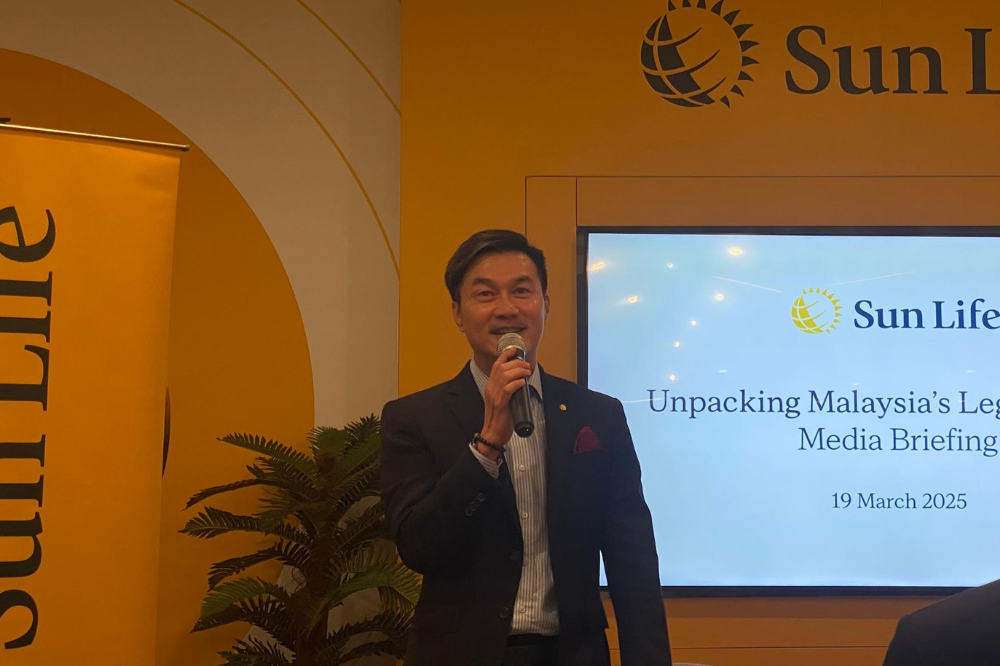
LEGACY planning is more than just wealth distribution, it is about ensuring financial security, preventing family disputes, and preserving intergenerational prosperity.
Yet, a staggering 85 per cent of Malaysians remain unprepared, leaving their loved ones vulnerable to financial instability.
According to Sun Life Malaysia’s latest survey, Insure or Unsure: Sun Life Insurance Literacy Survey 2025, while many acknowledge the importance of legacy planning, few take concrete steps to safeguard their family’s future.
Its country head and president, Raymond Lew, emphasised that inadequate preparation places families at considerable financial risk, highlighting the need for a structured approach that respects cultural and religious sensitivities.
“We are building upon our previous year’s survey which focused on how insurance and takaful literacy impacts financial wellness.
"In this second edition, we aim to delve deeper by exploring how financial legacy planning impacts financial security,” he said.
Sun Life data
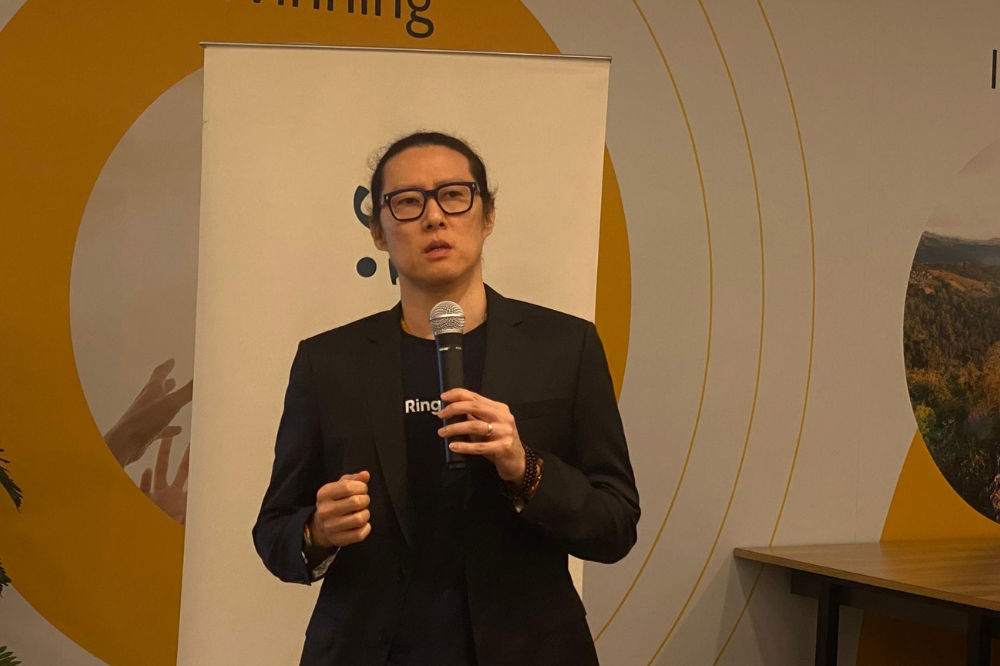
The survey, presented by Jirnexu CEO Yuen Tuck Siew, found a striking contradiction.
Conducted among 1,040 Malaysians from various income levels and regions, it revealed that while 65 per cent recognise the importance of legacy planning, only 15 per cent have taken concrete steps.
He further stated that most people rely on insurance/Takaful (71 per cent), trust funds (53 per cent), and wills (44 per cent), yet many remain unprepared, leaving their families vulnerable to financial hardship and inheritance disputes.
Data also revealed that married individuals (60 per cent) are more likely to plan compared to singles (34 per cent) and those divorced, widowed, or separated (6 per cent). However, without a proper plan, families still face financial uncertainty.
Cultural and religious beliefs also shape legacy planning, with Malay respondents favouring Islamic tools like Hibah (gifts) and Wasiat (Islamic wills) under Shariah law, highlighting the need for culturally tailored financial guidance.
Encouragingly, 54 per cent of those who have started planning have sought professional advice, reflecting growing trust in financial experts.
However, those without clear plans remain at higher risk of inheritance disputes, particularly in Malaysia’s diverse family structures, where cultural and legal interpretations differ.
Barriers preventing progress
The survey identified key obstacles preventing Malaysians from prioritising legacy planning.
Financial constraints are the biggest hurdle, with 41 per cent of respondents citing affordability as a barrier. Low-income families are most affected, as 68 per cent of those yet to start planning earn below RM5,249 per month.
A lack of knowledge also plays a role, with 39 per cent unsure how to begin. Additionally, competing financial priorities, such as daily expenses and debt, make it difficult for many—especially single individuals and childless couples—to focus on long-term wealth preservation.
The silent wealth divide
The survey also revealed a growing disparity in legacy planning between income groups.
Among high-income earners with a household income above RM5,000, 72 per cent recognise the importance of legacy planning. In contrast, only 45 per cent of lower-income earners, with a household income below RM2,000, share this perspective.
Wealth inequality is further stated by the fact that 68 per cent of those who have taken no steps towards legacy planning fall into the lower-income category, highlighting an urgent need for financial education and support.
Family feuds on the horizon
A lack of legacy planning increases the risk of inheritance disputes, with 48 per cent of Malaysians citing conflict prevention as a key reason for making financial arrangements. Blended and multicultural families are more proactive in addressing this, with 82 per cent openly discussing their plans—far more than nuclear families.
“Without a solid plan, families risk financial turmoil and strained relationships, especially in Malaysia’s diverse and growing number of blended families,” said Lew.
He highlighted how the absence of proper financial planning often leads to both economic hardship and family tensions, reinforcing the need for early wealth management to protect financial security and harmony.
Improved literacy but still insufficient
Self-reported insurance and takaful literacy has risen from 28 per cent in 2023 to 35 per cent in 2024, partly due to initiatives like Sun Life Malaysia’s InsureLit campaign. However, 23 per cent of respondents still lack basic financial knowledge, highlighting the need for ongoing education.
“We are glad to see a rise in the number of Malaysians with positive insurance literacy levels, contributed in part by our InsureLit campaign since last year. Nevertheless, there remains a continued need for awareness initiatives among Malaysians as we hope to ensure that every Malaysian is well-protected financially, and insurance/takaful knowledge plays a big part in helping them achieve it,” Lew added.
In the meantime, Yuen highlighted that the key takeaway from the survey is the gap between awareness and action. While many respondents have taken the first step by securing insurance, more than two-thirds remain unaware of the importance of legacy planning.
“To improve insurance literacy and help more Malaysians establish a legacy plan, we must ensure not only their financial security but also the long-term harmony of future generations,” he said during the survey results unveiling at Sun Life' s First Avenue building today.
A united effort to prevent a legacy crisis
Now in its second year, InsureLit aims to bridge the financial literacy gap through digital resources, financial roadshows, educational videos, and youth-focused programmes. Sun Life Malaysia is expanding its 2025 initiatives to reach more communities.
“Families are the backbone of our society. We must equip them with the right knowledge, tools, and solutions to ensure long-term stability and prosperity,” Lew said.
He urged financial institutions, policymakers, and community leaders to work together to provide affordable planning services and multilingual educational resources.
Download Sinar Daily application.Click Here!