Invisible Lives: How denial fuels stateless suffering across Asean
This invisibility fuels misunderstanding, fear and exclusion, perpetuating hardships for stateless individuals who are part of the region’s social fabric yet remain marginalised.


KUALA LUMPUR – Local sentiments towards stateless people across Southeast Asia often tend to be negative, accompanied by a pervasive sense of denial that these populations even exist within national borders.
This invisibility fuels misunderstanding, fear and exclusion, perpetuating hardships for stateless individuals who are part of the region’s social fabric yet remain marginalised.
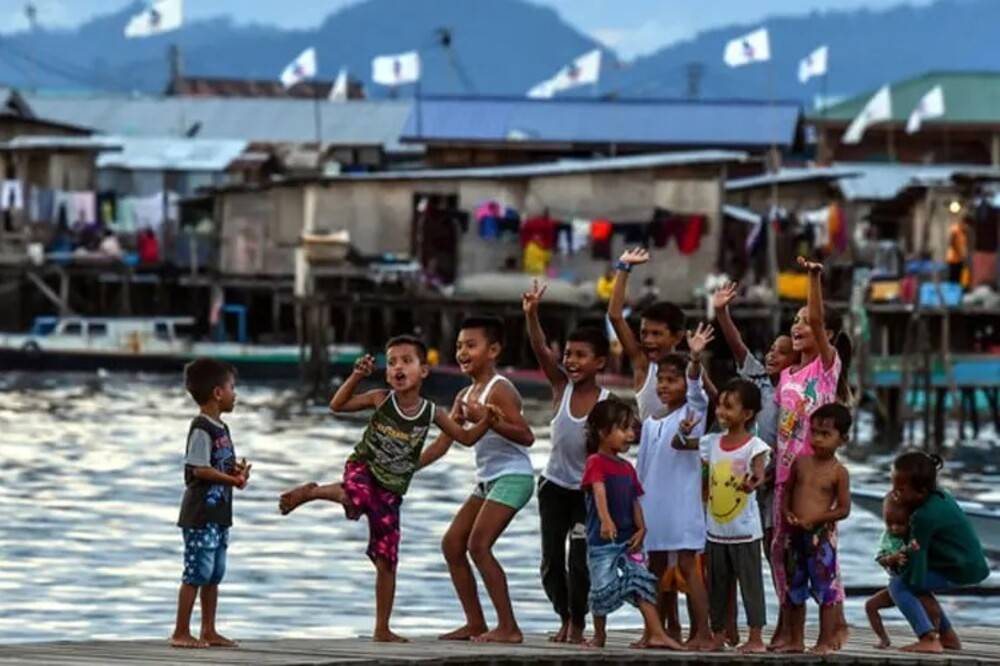
In Malaysia, this reality is starkly visible in states like Sabah and Sarawak, where stateless populations have existed for generations, frequently without official recognition or access to basic rights.
These vulnerable communities struggle in the shadows, reflecting a broader regional reluctance to fully confront the issue.
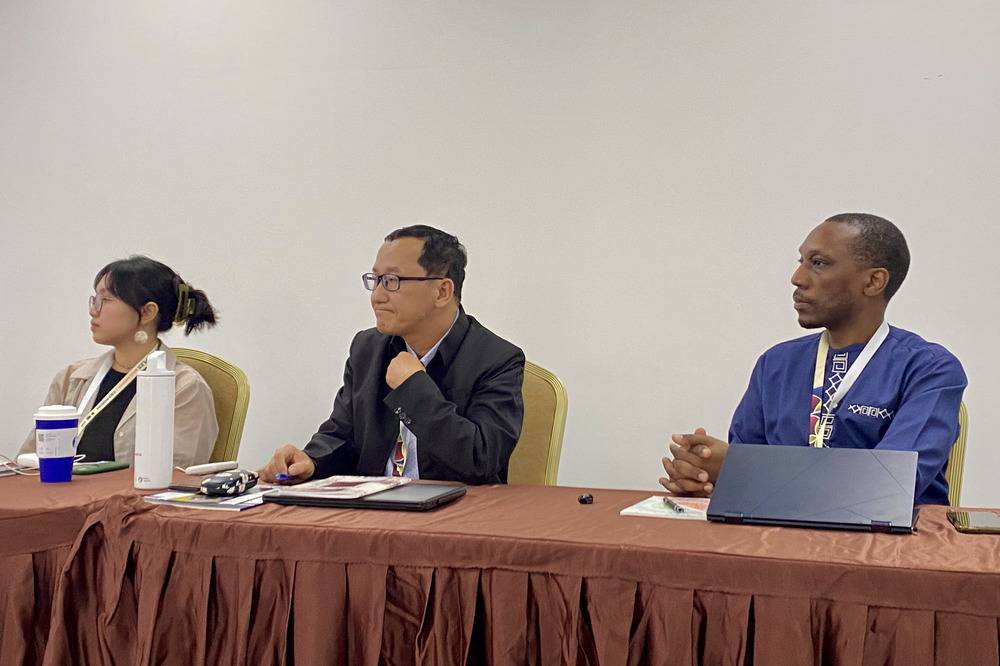
During the "Empowering Stateless Voices: Policy Innovations and Best Practices for Legal Documentation" forum at Wisma MCA in Kuala Lumpur, human rights advocates from Southeast Asia convened to discuss local perspectives and the challenges stateless communities face in their respective countries.
The event brought to light not only policy gaps but also the deep-seated social attitudes that keep stateless people invisible and isolated.
Elvis Walemba of Adventist Development and Relief Agency (ADRA) Thailand stated that in many cases, there is a sense of denial; people refuse to acknowledge that stateless communities even exist within their own country.
“As long as this recognition does not happen, stateless individuals remain invisible. In Thailand, for example, the stateless population is actually quite substantial, yet many locals are unaware.
“Even when it comes to refugees, most people are surprised to learn that Thailand hosts them at all. Interestingly, the government sometimes advises against bringing too much attention to the issue, citing concerns about public backlash. This reticence is linked to a prevailing local sentiment questioning, ‘Why are our resources going to people who are not citizens? Why are they benefiting?’” Walemba said.
Walemba pointed out the misconception at the heart of this attitude: what is often misunderstood is that many of these stateless individuals have deep-rooted ties to the country.
“In many ways, they are citizens; they just have not been granted the official recognition or rights that come with it. Unfortunately, this leads to a widespread negative perception of stateless populations.
“That said, there are moments of empathy. When people are faced with the possibility that someone close to them — a neighbour, a colleague — could be stateless, the narrative starts to shift. The issue becomes personal.
"Suddenly, the idea that ‘it could be you or me’ triggers a different kind of response. The real challenge is creating that awareness, helping people understand that stateless individuals are not outsiders, but part of the same society, often hiding in plain sight,” Walemba added.
Ariela Naomi Syifa of the Human Rights Working Group (HRWG Indonesia) discussed the complexity of attitudes in Indonesia.
She shared that some local communities show support for stateless people, especially the kinder and more compassionate individuals, offering practical assistance like trading goods and small job opportunities.
Yet, she acknowledged a broader national anxiety linked to the arrival of Rohingya refugees.
“People question why the country is accepting outsiders and worry about how the government will protect local citizens and meet their financial needs.
"This fear and sense of competition create significant challenges, as locals may feel that refugees and stateless individuals do not belong in the country,” she said.
Syifa also stated that online hate speech has surged in Indonesia, with some social media accounts even impersonating the United Nations High Commissioner for Refugees (UNHCR) Indonesia to spread inflammatory statements.
For example, rumours that refugees will receive identification cards have fuelled anger, with locals questioning why such privileges are given to non-citizens.
“These stereotypes and xenophobic attitudes are widespread in Indonesia, posing challenges not only for those advocating on behalf of refugees and stateless people but also for the refugees themselves, who face growing hostility and exclusion,” she said.
In a related matter, Women Peace Makers' (WPM) Peace Programme Manager Lav Bunrithy offered a perspective rooted in historical and ethnic complexities.
He believes it comes down to understanding who these people are, whether they share similar cultural, ethnic, or national backgrounds with the local population.
Bunrithy cited the example of Cambodia’s Muslim community, which makes up around 5 per cent of the population and was once stateless.
“Although they were originally stateless, having once had a kingdom that was later overtaken by Vietnam, they eventually found refuge in Cambodia during earlier conflicts.
"Despite religious differences, this community was welcomed and became part of our society.
“In contrast, some groups such as the Vietnamese have never been fully accepted. They are often viewed as outsiders or even as historical enemies,” he said.
Bunrithy observed a generally negative local perception of stateless people shaped by economic and historical factors.
According to him, one major factor is economic competition.
“Refugees or stateless individuals often take up jobs for lower pay, which creates tension with local workers who feel their livelihoods are being threatened. So it is not just about cultural differences; economic pressures and historical grievances also play a big role in shaping public attitudes,” he added.
Download Sinar Daily application.Click Here!