What every Malaysian needs to know about cancer today
Cancer cases in Malaysia are rising, but so are survival rates, which marks a glimmer of hope amidst growing concern.
DANIAL HAKIM

CANCER is no longer the grim death sentence it once was thanks to early detection, personalised treatments, and better awareness, But in Malaysia, fear and misinformation continue to delay diagnosis and cost lives.
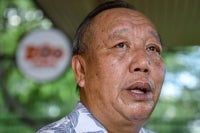
OncoCare Cancer Centre Malaysia chief executive officer and senior consultant clinical oncologist Dr John Low, believes that education is the most powerful weapon in the fight against cancer — and he’s calling on Malaysians to act early, not after it’s too late.
Cancer cases in Malaysia are rising, but so are survival rates, which marks a glimmer of hope amidst growing concern.
“Cancer today is not what it was 20 or even 10 years ago.
“Yes, the incidence of cancer is on the rise, and it is not just among the elderly.
“The good news is that survival rates have improved tremendously and this is the positive shift we are seeing,” Dr Low said.
The Malaysia National Cancer Registry Report 2017–2021 shows that breast cancer continues to top the list, followed by colorectal, lung, lymphoma, and liver cancers.
Dr Low also noted a rise in prostate cancer, likely due to better awareness and screening. Meanwhile, cervical cancer rates are declining thanks to the national HPV vaccination programme.
Although one in eight Malaysians is at risk, early detection and intervention are turning the tide.
Not just for the elderly
The belief that cancer affects only older individuals is increasingly outdated.
According to Dr Low, breast and colon cancer cases in Malaysians under 50 are especially prevalent in today’s age, attributing the shift to modern diets high in processed foods, sedentary lifestyles, and rising obesity rates.
“Being young doesn’t mean you are immune. Your lifestyle today shapes your health tomorrow,” he said.
Debunking dangerous myths
Misinformation continues to stand in the way of treatment and survival. Dr Low points to three common myths.
The first myth is the ominous “Cancer is a death sentence.”
“Not true, many cancers are treatable, even curable, especially when detected early.
“With more effective treatments available, survival rates have improved significantly,” Dr Low clarified.
Another myth comes from the often-parroted “Sugar feeds cancer.”
“Cancer cells use glucose, but so do all your healthy cells. Cutting sugar alone won’t cure cancer.
“What matters more is maintaining a balanced and nutritious diet to support your overall health when undergoing treatment,” he elaborated.
Finally, a dangerous myth that is rooted in legacy is that traditional medicine alone can cure cancer.
“Some traditional remedies may support wellbeing or alleviate side effects, but they should never replace evidence-based cancer therapies like surgery, chemotherapy or radiation,” Dr Low stated, clearing misconceptions.
Living with cancer
The fatalistic view of cancer is still widespread, but it's slowly changing.
According to Dr Low, cancer today can often be treated like any other chronic condition in the sense that many people continue to work, travel, and enjoy life during and after treatment.
“With advances like immunotherapy and targeted therapies, some stage 4 cancers can now survive for years,” he added.
He also advocates for a better understanding of palliative care.
“It is not about giving up, but improving the quality of life. Living with cancer is possible. Early detection, timely care, and emotional support make all the difference.”
Warning signs and lifestyle choices
Many Malaysians ignore early cancer symptoms due to cultural beliefs or fear, Dr Low cautioned.
“Sudden weight loss is often seen as a good thing, but it could be a warning sign of stomach or pancreatic cancer.
Blood in the stool is dismissed as haemorrhoids or spicy food, yet it can indicate colorectal cancer,” he warned
Alternatively, even those who feel healthy should consider regular screenings.
“Cancer does not care how young or healthy you are.
“We are seeing cases like breast, colorectal, and even cervical cancer in people in their 30s,” he said.
Dr Low further affirmed that diet, exercise, and mental well-being significantly affect cancer risk.
According to him, a healthy diet, regular exercise, avoiding tobacco and nicotine from smoking, and managing one’s stress all play a key role in reducing cancer risk.
Nevertheless, the most effective protection comes from combining these habits with regular screenings, especially if one’s family has a history of cancer that can be linked to be hereditary.
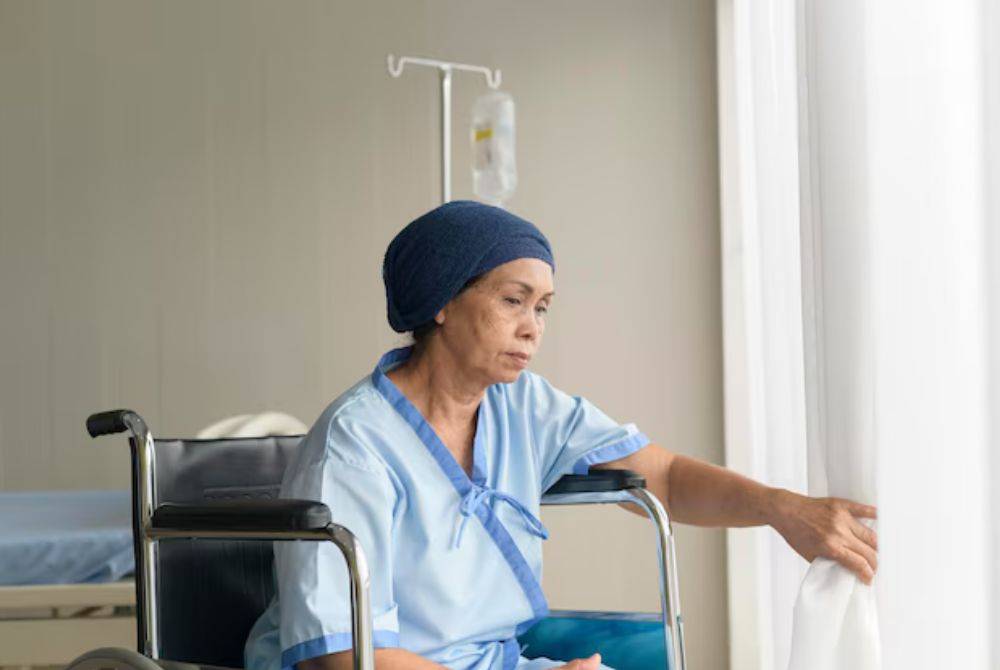
Cutting-edge treatments available in Malaysia
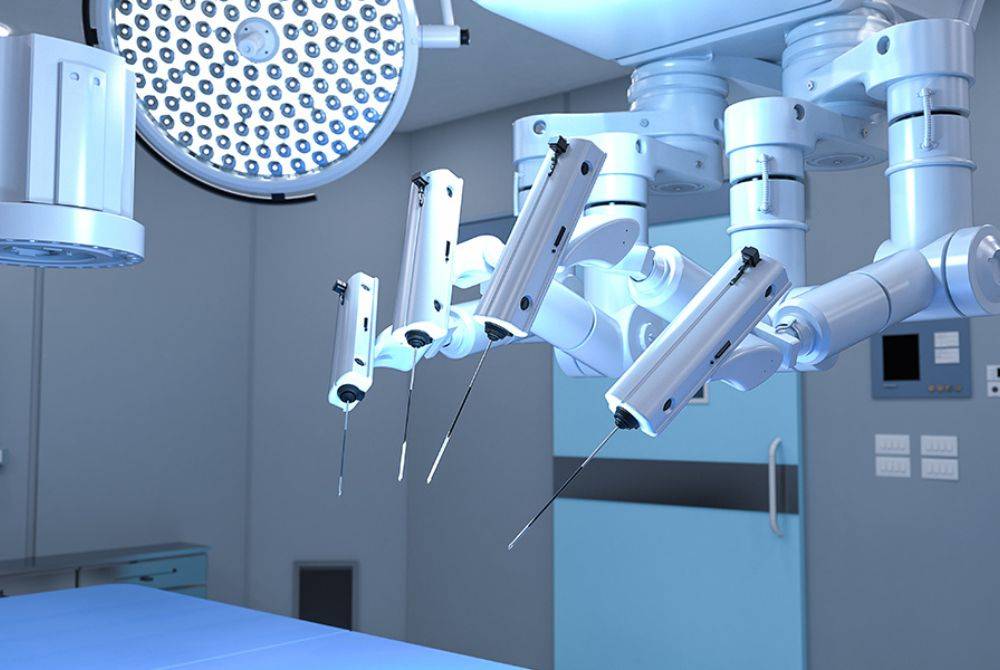
Malaysia now has access to world-class cancer treatments. As mentioned by Dr Low, procedures such as robot-assisted surgeries can effectively remove cancer tumours from previously unreachable areas.
Additionally, modern radiotherapy with the use of artificial intelligence (AI) is similarly effective in delivering precision doses, sparing healthy tissues in the process.
He also added that breakthroughs in immunotherapy and targeted therapy are game-changers.
“We can now switch off cancer-driving mutations directly. Immunotherapy drugs use monoclonal antibodies that home in on cancer cells.
These treatments are more effective and less harmful, increasing the chance of cure,” he said.
On the up-and-up, gone are the days of one-size-fits-all treatment in Malaysian cancer research.
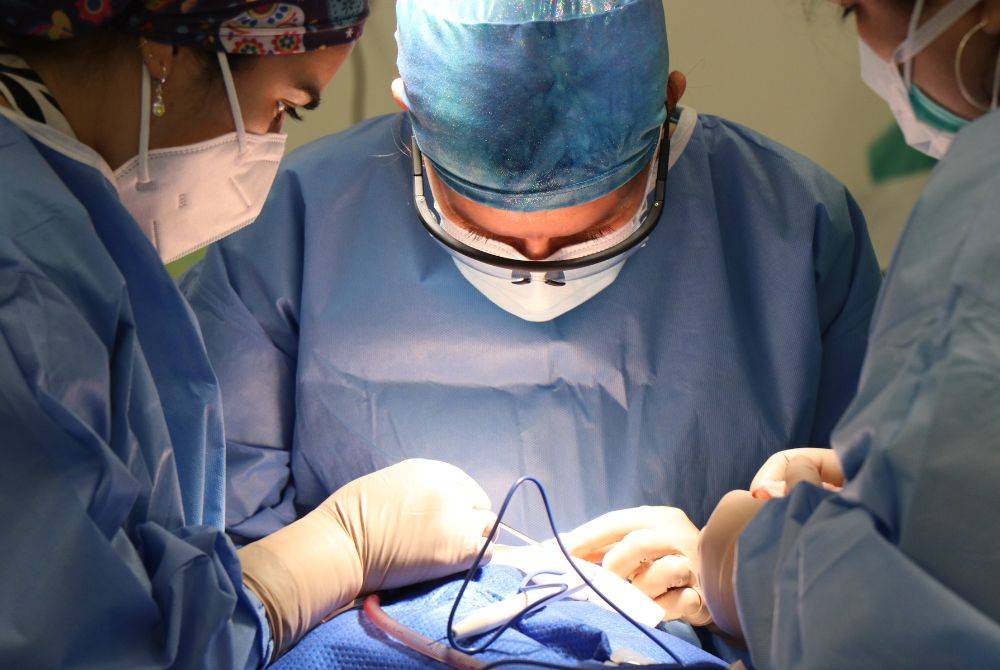
“Personalised cancer care targets the specific genetic profile of your cancer.
“This tailored approach not only improves effectiveness but also reduces side effects and enhances quality of life,” Dr Low added.
If there’s one thing Dr Low wants Malaysians to remember about cancer, it’s this:
“Cancer is not a distant threat; it can affect anyone, regardless of age, gender, or lifestyle. But early detection, regular screenings, and proactive health choices can make all the difference.
“Cancer is not the end – it can be a new beginning. Be aware, stay healthy, and most importantly, don’t wait. Your body is always speaking, so make sure you are listening.”
Download Sinar Daily application.Click Here!