Understanding herpes risks for pregnant mothers and babies
The virus is highly contagious and can be transmitted through direct contact with an infected person's bodily fluids, including saliva or genital secretions.


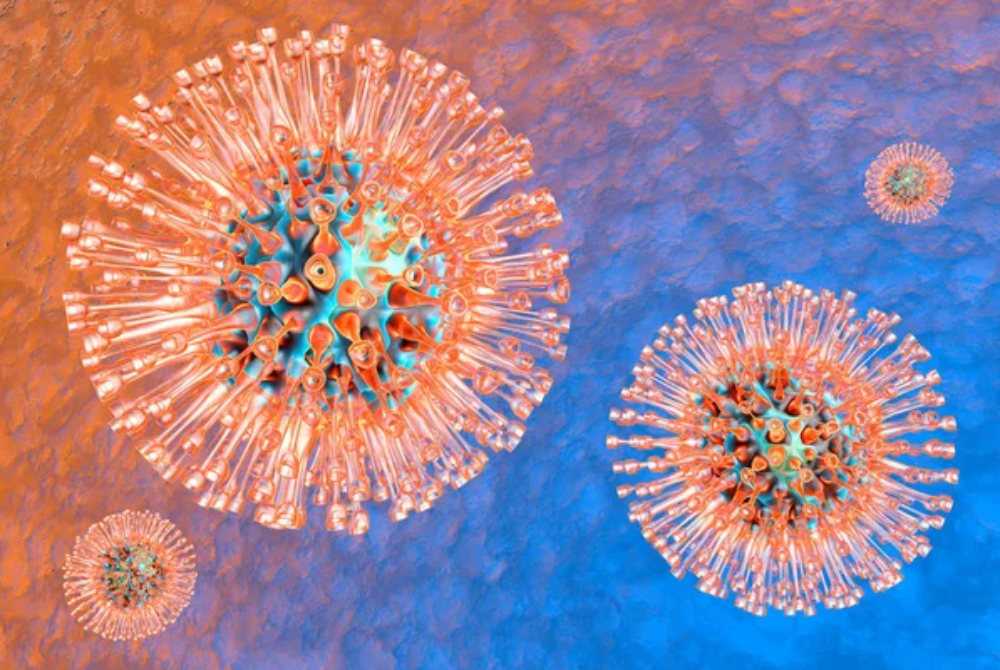
SHAH ALAM – Herpes, caused by the herpes simplex virus (HSV), is a common viral infection presenting in two primary forms: HSV-1, typically linked to oral infections and HSV-2, which usually causes genital infections.
The virus is highly contagious and can be transmitted through direct contact with an infected person's bodily fluids, including saliva or genital secretions.
While herpes infections are often manageable, they can lead to severe complications, particularly for newborns.
Neonatal herpes, a rare but potentially life-threatening condition, occurs when a newborn contracts the virus during delivery.
KPJ Damansara Obstetrics and Gynaecology specialist, Professor Dr Imelda Nasreen Nasruddin @ Balchin, shared a poignant case describing the dangers of neonatal herpes.
"In 1999, I witnessed an 11-day-old baby brought into the emergency department, who sadly passed away.
"A post-mortem revealed that the baby's liver was filled with herpes simplex virus infection, which was the cause of death," she shared in her Facebook post.
Upon further investigation, she said the mother admitted to having experienced a genital herpes infection about a month before giving birth but had not informed the midwife.
"Now, medical guidelines recommend that if a pregnant mother contracts a genital herpes simplex virus infection within six weeks before her due date, the advice is to deliver via Caesarean section to protect the baby from contracting HSV," she said.
Genital herpes in pregnant women often goes unnoticed, as symptoms can range from painful sores to mild irritation or even no symptoms at all.
What is Herpes?
Herpes is classified into two primary types:
- HSV-1 (oral herpes): Commonly associated with cold sores or fever blisters around the mouth and face.
- HSV-2 (genital herpes): Typically affects the genital and anal areas but can also occur in other parts of the body.
The virus is highly contagious and can be transmitted through direct contact with an infected individual, including kissing, sharing utensils, or sexual contact.
Symptoms and Diagnosis
While many infected individuals experience mild or no symptoms, others may have painful sores, itching, or burning sensations in affected areas.
Recurrences are common, as the virus remains dormant in the body and can reactivate during periods of stress, illness, or weakened immunity.
Diagnosis is often made through physical examinations and laboratory tests such as swabs from sores or blood tests.
Download Sinar Daily application.Click Here!