Eyesores and health hazards: Abandoned buildings threaten public safety and image
Overrun by thick bushes, with some even sprouting trees from within, these abandoned buildings are more than just eyesores.

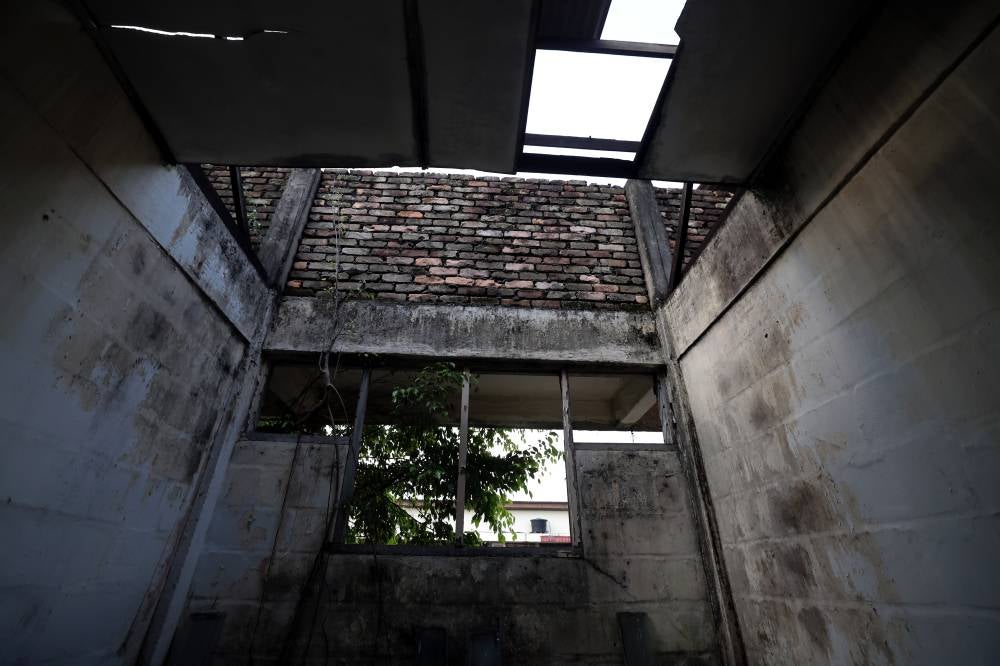
KUALA LUMPUR – Resembling haunted houses from horror films, abandoned buildings from stalled projects to neglected heritage sites are a familiar sight across Malaysia.
Overrun by thick bushes, with some even sprouting trees from within, these abandoned buildings are more than just eyesores.
They pose serious risks to nearby communities, serving as breeding grounds for diseases like dengue and attracting dangerous animals such as snakes.
Additionally, such buildings may become hotspots for immoral activities or drug abuse.
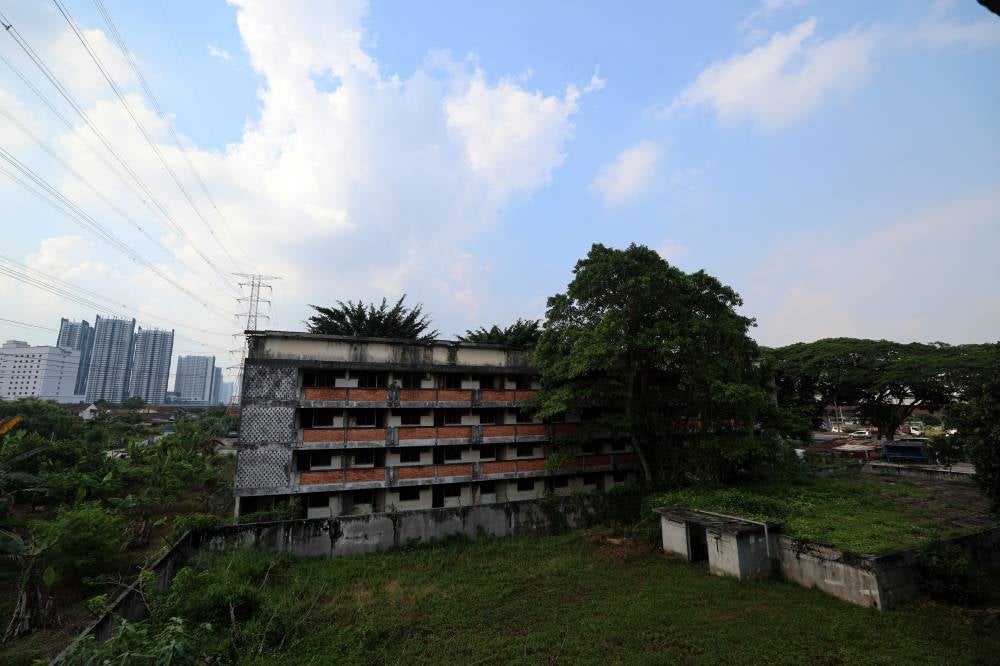
Describing the issue as long-standing, experts believe it is time to resolve the problem, especially as Malaysia actively prepares for the Visit Malaysia Year 2026 campaign.
EYE-SORE AND HAZARD
Sharing her view, Associate Professor Dr Norwati Jamaluddin from the Department of Civil Engineering, Universiti Tun Hussein Onn Malaysia (UTHM) said abandoned buildings, whether unfinished development projects or heritage sites, should not be left to deteriorate.
She noted that these neglected structures pose safety risks to the community and spoil the visual appeal of their surroundings.
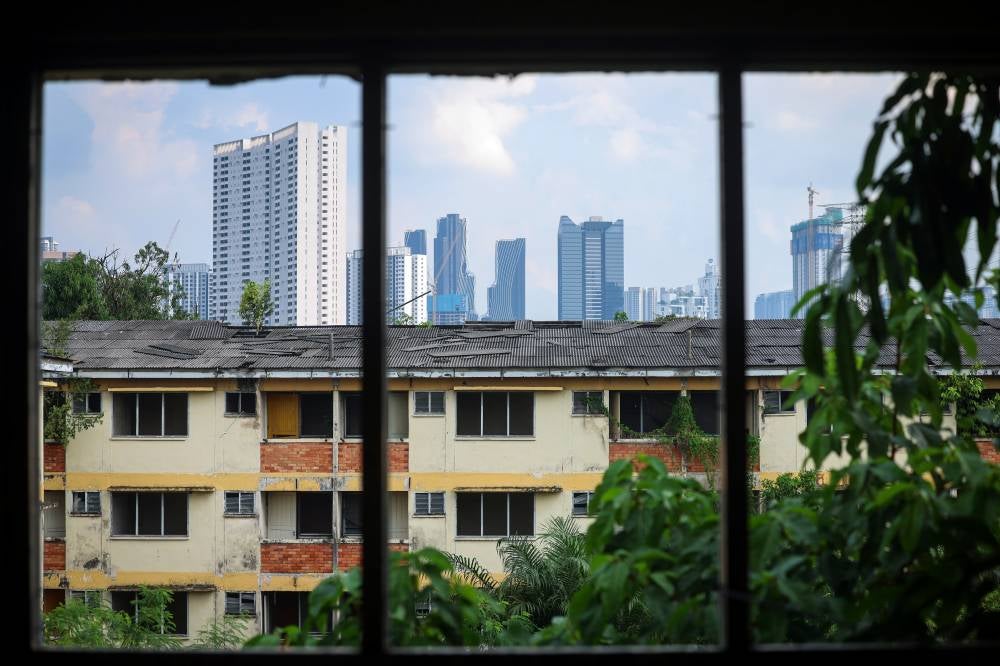
"Besides their dilapidated appearance, abandoned premises often create hazardous environments, with risks such as collapsing structures due to lack of maintenance.
"They also tend to attract irresponsible individuals who engage in immoral activities such as vandalism, drug use and other crimes, leading to public unrest in the area,” she told Bernama.
Minister in the Prime Minister’s Department (Federal Territories) Datuk Seri Dr Zaliha Mustafa was previously reported as saying that a total of 48 abandoned premises and buildings had been identified around the capital as of Feb 20 this year.
According to Kuala Lumpur City Hall (DBKL), 25 of them were residential buildings, while the remaining 23 were commercial premises.
She added that abandoned buildings are not limited to suburban areas but are also found in high-value commercial areas in the city centre, such as Jalan Bukit Bintang, Jalan Pudu, and Jalan Gombak.
"On Jalan Sultan Azlan Shah (Jalan Ipoh), several commercial residential units have been abandoned, reflecting urban decline or stalled development. Similarly, on Lorong Tiong Nam, many old, rundown shop lots are in poor condition,” she said.
According to the National Housing Department, as of May 31, there are 17 static-category abandoned private housing projects nationwide – some dating back to 1989. Another 45 projects are in the process of being revived.
Even government-owned buildings contribute to the issue – including the heritage-status Federal Court building opposite Dataran Merdeka and the old state government office complex in Teluk Intan, Perak.
ECONOMIC VALUE
Norwati stressed that abandoned properties drag down surrounding property values and can become an economic burden for agencies, including local authorities.
"Foreign journal reports show that such abandoned properties can reduce the value of surrounding real estate by 6.5 to 20 per cent.
"They also burden local councils through lost tax revenue and increased maintenance, restoration and enforcement costs,” she said.
She also cited the Broken Windows Theory, which suggests that visible neglect signals deeper, systemic problems if left unresolved.
"For example, if a structure continues to deteriorate, it could lead to higher losses down the line, especially if it requires complete reconstruction.
"Even if most of these buildings are privately owned, the government’s image still suffers due to perceived poor management,” she added.
GROWING CONCERN
Meanwhile, senior lecturer at Universiti Sains Islam Malaysia (USIM), Ar Nasrudin Sharkawi, said the glut of abandoned buildings raises concerns over urban planning, property values and sustainability in the construction sector.
He said such stalled projects reflect failures in coordination and implementation within Malaysia's construction industry.
"There are several contributing factors – including impractical designs that ignore local context, resulting in projects failing to attract buyers or tenants even after completion."
He said developers may also suffer from poor management, lack of transparency, labour shortages or failure to get approval from local authorities.
Nasrudin added that delayed or cancelled funding, especially for government projects, can leave structures partially built and abandoned.
If resumed later, costs often exceed original budgets due to theft, vandalism or damage at the site.
"In a free market context, many luxury developments are planned without considering actual market demand. When investors fail to see returns, buildings are left empty and become derelict,” he added.
Heritage buildings, he said, face a similar dilemma – caught between preservation and adapting for modern use.
A COMPREHENSIVE SOLUTION
Nasrudin called for an integrated, holistic approach from relevant agencies to tackle the root causes of abandoned buildings.
He urged the Housing Ministry (KPKT), state governments and local councils to create a centralised, regularly updated database of abandoned projects for better planning and redevelopment.
"A full audit of each building should also be conducted – assessing damage, ownership status, and potential for adaptive reuse. Buildings should be categorised for repair, reuse or controlled demolition.”
He also suggested reviewing strata ownership and inheritance laws, which often complicate redevelopment efforts.
To encourage restoration, he proposed tax incentives, low-interest loans, and public-private partnerships. Vacant buildings could also be temporarily repurposed as storage areas, pop-up shops, or art spaces.
This aligns with Prime Minister Datuk Seri Anwar Ibrahim’s proposal to review and reuse government-owned vacant properties for community benefit – including as shelters for the homeless and hardcore poor.
Nasrudin further recommended penalties for private owners who leave buildings in hazardous conditions.
"Neglecting buildings too long affects property value, public safety, and the area’s image.
"In the meantime, interim use can help reduce urban decay,” he said. - BERNAMA
Download Sinar Daily application.Click Here!


