Paying more and understanding less under the new SST - when policy starts to feel like a prank
Just another quiet announcement slipped under the door like a final notice you did not know was coming. What was already expensive becomes just a little harder to justify.



YOU wake up, scroll the news, and there it is. The Sales and Service Tax (SST) naik lagi (increases). No warning. No explanation.
Just another quiet announcement slipped under the door like a final notice you did not know was coming. What was already expensive becomes just a little harder to justify.
Raising taxes is not the issue. Every country needs revenue. But when new taxes arrive without conversation, context or empathy, they stop feeling like policy and start feeling like punishment.
This is not governance. It is a widening gap between those who make the rules and those who live by them.
In 2024, the Prime Minister declared a war on sugar. It was a solid move. Malaysia has Southeast Asia's highest rate of diabetes. One in six adults has it. Over half the population is overweight. Our roti canai is glorious, but our blood sugar is alarming.
So we understood the logic. Tax sugary drinks. Encourage healthier living. We cut down our Milo ais (iced Milo). We nodded along.
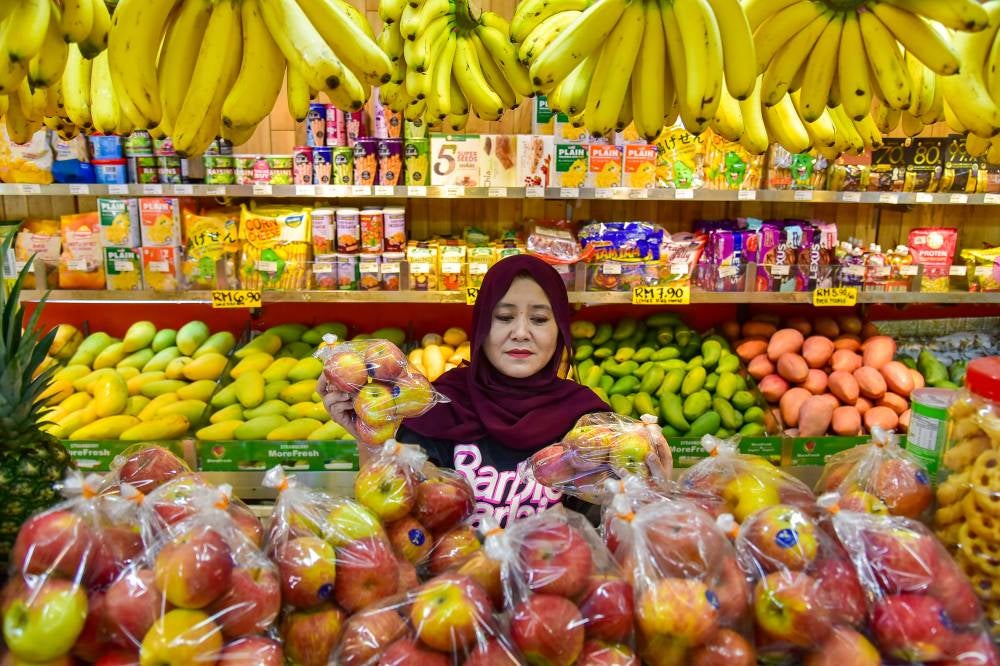
Then came news that fruits were being taxed. The one food group every doctor, campaign, and mother tell you to eat more of. Suddenly, healthy eating sounded like a lifestyle upgrade.
Finance Ministry later clarified that SST only applies to imported fruits, not locally grown ones. Technically, this makes sense within the luxury classification framework.
But practically, it complicates everyday lives. Many of the fruits Malaysians regularly consume such as pineapples, bananas and certain melons are imported depending on season and supply.
It is unrealistic to expect households to rely solely on local produce. Some fruits are simply not available locally or differ significantly in taste and quality depending on origin.
What was once a routine grocery item is now framed as a luxury. That framing is what makes the policy feel out of touch.
We are being told to live healthier while watching nutritious choices become more expensive. It is like telling people to exercise more, then taxing the tools to do it. Running shoes, for instance, fall under taxable goods. If wellness is truly a national priority, policies should align with the lived cost of pursuing it.
When the Prime Minister joked that if avocado is taxed, then do not eat avocado, it echoed a past that still stings. A few years ago, when grocery prices soared, another Prime Minister said if you cannot afford it, eat kangkung. The backlash was swift and loud.
These comments, while perhaps meant in jest, reflect a deeper disconnection. People are not just budgeting avocados. They are budgeting protein. They are rationing electricity. They are quietly dropping fruits, supplements and essentials from their shopping lists.
And just like that, food became a punchline.
The frustration is not just about the cost of living. It is about the lack of clarity, sincerity and structure in the way these changes are communicated and implemented. There were no widespread town halls. No consultative surveys that invited the public in.
Policy changes roll out like surprise quizzes, and everyone pays if they fail. And I could not help but wonder if anyone in government is listening at all.
Starting this month, the new RP4 electricity tariff was implemented. The base rate is now 45.40 sen per kilowatt hour.
On paper, users could save up to 19 per cent if they use electricity during off peak hours and meet technical conditions. Large scale commercial users such as data centres face rate hikes of up to 14 per cent.
For most households, the impact depends on how and when they consume electricity. Time of use pricing and targeted subsidies make sense theoretically.
But practically, the average consumer may not have the tools, understanding or flexibility to shift usage. Without proper guidance, the burden quietly returns to the consumer.
The middle class, particularly the M40, is especially affected. They earn too much to qualify for subsidies but not enough to comfortably absorb new costs. They receive no exemptions. But every change from SST to RP4 seems to land hardest on them.
It is not that they are being ignored. It is that they are being assumed resilient.
Even the recent minimum wage increase left a sour note. It raised the baseline for new hires but offered no mandate to adjust wages for existing workers. Someone loyal for five years could now earn the same as someone hired yesterday.
That is not wage progress. It is wage erosion.
Not too long ago, RM2,000 a month could rent a modest home and support basic meals. Today, that same amount might not even secure a studio apartment, let alone cover groceries and transportation.
Prices have surged. Wages have stalled. And now, more taxes. More adjustments. More announcements.
The rakyat is not asking for miracles. We are asking to be heard. We are asking for transparency, logic and respect. We are asking for policies that make sense when they reach the checkout counter, the electricity bill, the pharmacy.
Because this is not about rejecting taxes. It is about ensuring fairness. It is about designing systems that work with, not against, the public’s reality.
You cannot tell people to eat healthy and then make fruit cost more. You cannot promote wellness while keeping wages stagnant. You cannot claim affordability while shifting more burdens onto the rakyat’s backs.
Even healthcare reform has turned into a question mark. The new medical and health insurance/takaful (MHIT) scheme, aimed at offering affordable insurance coverage, is proposed to be voluntarily funded through our EPF (Employers Provident Fund) Account 2.
That is our retirement fund. That is emergency money. The last thing most people want to touch. And I could not help but wonder how long we can keep borrowing from our future to survive the present.
Malaysia does not lack talent or ideas. We lack alignment. We need policies that consider context, behavior, timing and impact. We need clearer messaging, better engagement and actual feedback loops. Not just press conferences.
This is not to say the rakyat is crumbling. But the pressure is real. The resilience is not infinite. The mental load of budgeting, adapting, and adjusting is growing heavier.
We understand the government needs revenue. We also know times are tough globally. But the rakyat needs dignity. We need coherence. We need to be included, not just informed.
Because when people do not understand why they are being taxed, they feel punished. When announcements come without explanation, they feel disregarded. When food becomes a joke and fuels a gamble, they feel alone in the system meant to support them.
At this rate, it is not just SST and TNB bills that are climbing.
It is anxiety. It is frustration. It is the quiet cost of being unheard.
And the most painful irony of all is that the checkup for rising blood pressure might just be paid for with our retirement savings.
Muhammad Naim Muhamad Ali, PhD, also known by the moniker Naim Leigh, is a Communication and Media Studies lecturer at the University of Wollongong Malaysia. The views expressed in this article are his own and do not necessarily reflect those of Sinar Daily.
Download Sinar Daily application.Click Here!