Islamic law prohibits grave exhumation, but allows exceptions for 'urgent need'
The Federal Territories Mufti’s Office described that, in principle, digging up a grave to remove a body is prohibited because it violates the dignity of the deceased.

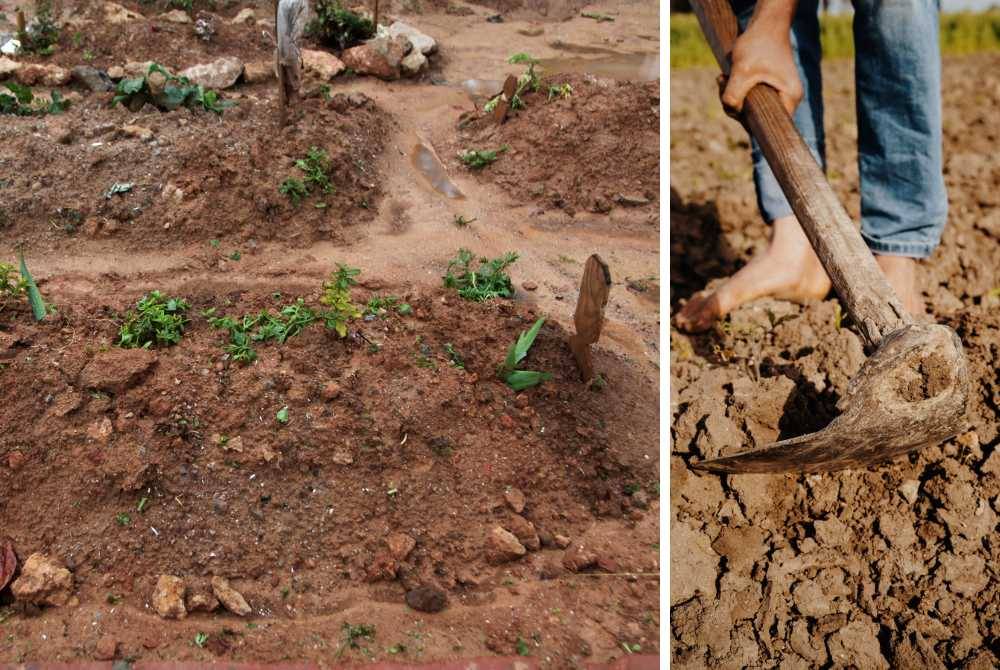
THERE are specific circumstances that permit the exhumation of a grave, such as for police investigations or to determine the cause of death, although the act is generally prohibited in Islam.
The Federal Territories Mufti’s Office described that, in principle, digging up a grave to remove a body is prohibited because it violates the dignity of the deceased.

This prohibition is based on the saying of the Prophet Muhammad (peace be upon him): “Breaking the bone of a dead person is like breaking it while they are still alive,” (Hadith narrated by Abu Dawud).
The mufti’s office further clarified that this prohibition covers any act of grave excavation, which is forbidden in a hadith that curses men and women who do so without a valid religious reason.
However, exceptions exist when there is an emergency or urgent need.
Such situations include bathing a body that was not bathed, positioning the deceased to face the qibla, or retrieving items that have fallen into the burial pit.
Other examples include saving an unborn child who is still alive or relocating a body buried on stolen land to prevent it from being unearthed by others.
These exceptions were highlighted in the article Irsyad Hukum Series No. 922: Ruling on Exhuming a Buried Body for Post-Mortem Purposes, which was published on the mufti’s official website on Sunday.
In the context of religious rulings in Malaysia, the 61st Conference of the National Fatwa Committee for Islamic Religious Affairs decided that:
- It is permissible to exhume a grave if there is an urgent or emergency need for reasons permitted by Islamic law.
- It is permissible to exhume a grave to be reused for a new burial, provided authorities confirm that the previous body has completely decomposed.
“This is because the legal maxim states that a state of emergency allows what is originally prohibited,” the article said.
Download Sinar Daily application.Click Here!