Political observers condemn attack on Rafizi's child, warn of grim shift in country’s political climate
Targeting his family, particularly his wife and child, signals both the attacker’s intent and their moral bankruptcy.


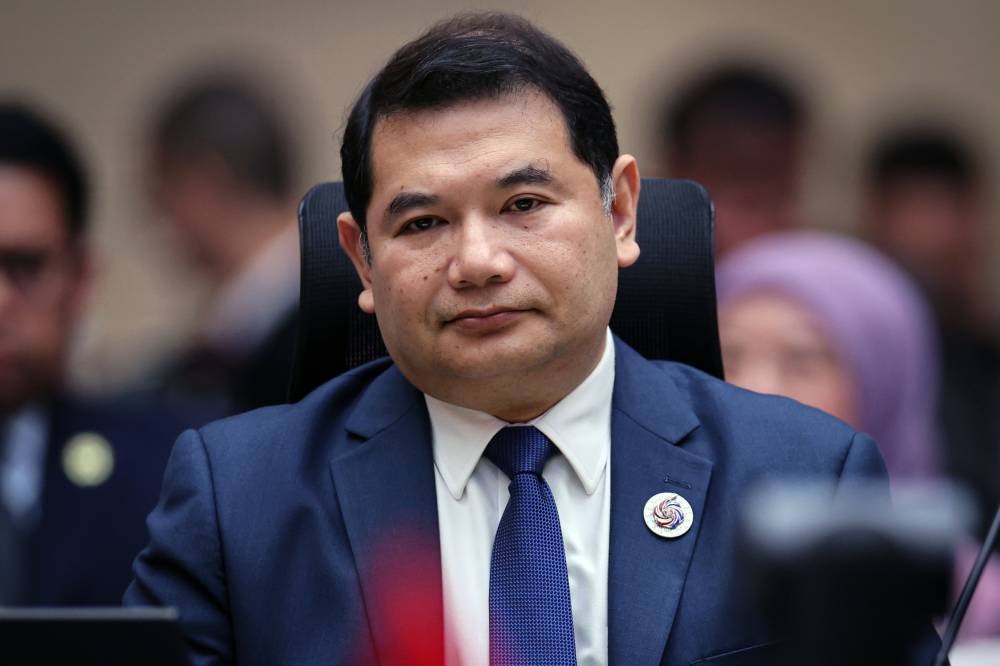
SHAH ALAM - The unprecedented attack on Pandan Member of Parliament (MP) Datuk Seri Rafizi Ramli’s child has drawn sharp condemnation from political analysts, who warn it could mark a disturbing escalation in Malaysia’s political climate if proven to be politically motivated.
Malaysia has witnessed attacks on politicians before, but an incident targeting a child is unheard of and has drawn strong condemnation from political observers.
Political analyst Associate Professor Dr Syaza Shukri from International Islamic University Malaysia (IIUM) said the case stands out for both its cruelty and apparent planning.
“Malaysia has seen attacks on politicians before, such as last year’s incidents targeting DAP Treasurer Ngeh Koo Ham’s home and vehicles and Seputeh MP Teresa Kok’s family home.
“However, an attack on a child, as in this case, is unprecedented and deeply despicable. The use of a syringe and other preparations suggests a planned act rather than a random outburst, indicating there was a motive,” she said in an interview with Sinar Daily.
Syaza said the nature of the attack indicated it was intended to send a message to Rafizi.
She explained that targeting his child seemed either to be a warning connected to his political position or a cowardly effort to cause him personal harm.
“While most politically charged attacks in Malaysia are rooted in race, religion or royalty (3R), Rafizi’s work primarily focuses on corruption and governance.
“This raises the possibility that the perpetrator is an influential figure threatened by his investigations, as he does not typically pursue ‘small fish.’ Targeting his family, particularly his wife and child, signals both the attacker’s intent and their moral bankruptcy.
“Although it could also be a personal vendetta unrelated to politics, the premeditated nature strongly points to political motives,” she explained.
Syaza said that in the immediate aftermath, the incident had sparked a wave of public support for Rafizi.
The former Economy Minister has also made it clear that he refuses to be silenced.
“However, if the perpetrators are not caught soon, this incident could have a chilling effect, making politicians and commentators like me, as a political analyst, more cautious about speaking out.
“It reflects a troubling shift in Malaysia, where the line between political disagreement and real threats is increasingly blurred.
“If the attack is linked to corruption, it highlights that the problem remains entrenched and the fight is far from over, leaving ordinary Malaysians as the real victims, deprived of open discourse and vital information,” she added.
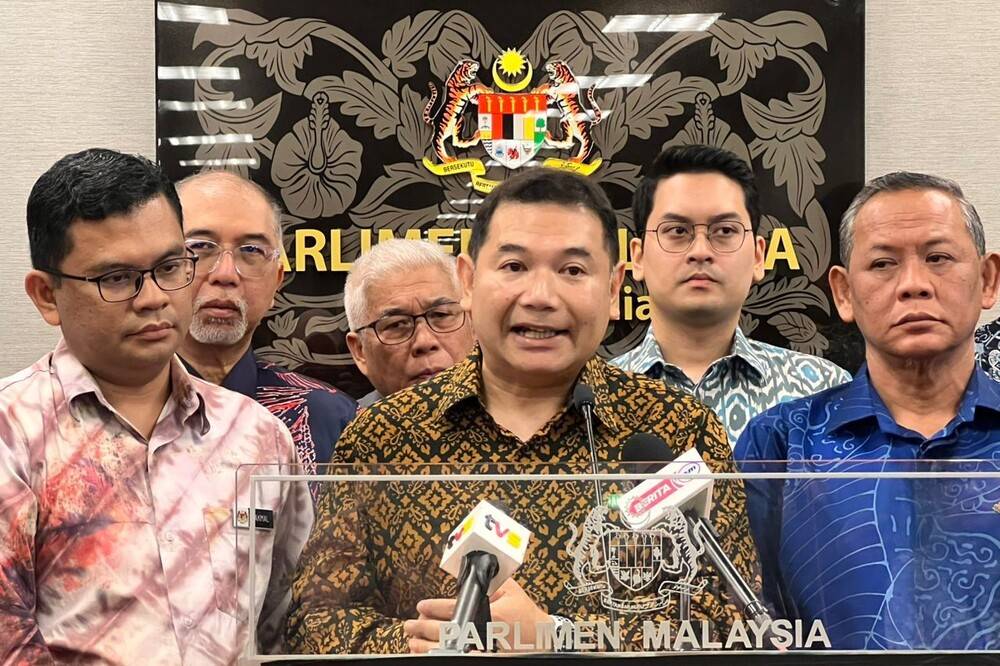
Pacific Research Centre of Malaysia principal adviser and political analyst Dr Oh Ei Sun shared similar concerns about the political undertones of the incident, pointing out that Malaysia has a long history of violent acts targeting politicians.
He cited several examples, saying that over the years, the country has witnessed numerous attacks and threats against politicians and their families.
Among the most infamous were the 1982 murder of former Negeri Sembilan state assembly speaker Datuk Mohamad Taha Talib and the 1993 Mona Fandey case, which involved the killing of former Batu Talam state assemblyman Mazlan Idris.
“Given this history, it would not be surprising if Rafizi’s outspoken stance on certain issues has made him a target for political intimidation.
“In my experience, statements or actions that touch on sensitive matters or threaten the interests of powerful individuals or groups are often the ones that provoke extreme reactions.
“Targeting a politician’s family, particularly a child, is a calculated move meant to pressure the politician into either taking action or stepping back from a position opposed by the attackers,” he told Sinar Daily.
However, Oh cautioned against ruling out other possible explanations entirely.
He highlighted that such incidents could also arise from personal disputes or family conflicts, though the likelihood would depend on the specific details of the case.
“How this affects Rafizi’s career and public image will largely depend on what emerges from the ongoing investigations, as almost anything is possible in Malaysia’s current political climate.
“If it is eventually confirmed to be politically motivated, the case would highlight the heightened intensity of political rivalry and intimidation in the country.
“Considering it is well known who Rafizi’s main political rivals are, the implications could be significant and far-reaching,” he added.
On Aug 14, Rafizi alleged that the recent attack on his 12-year-old son and threats sent to his wife were attempts to stop him from investigating a scandal revealed by whistleblowers last week.
He said the assailant dragged and injected his son with an unknown substance outside a shopping centre in Putrajaya on Aug 13, in what he believed was a premeditated and professionally executed act.
Tests showed no immediate signs of drugs or poison, but his son would undergo six months of medical monitoring to rule out viral infections.
Following the incident, his wife received two threatening messages, one at 1.12am and another at 11am on Aug 14, stating, “Be quiet, if you continue, AIDS,” with syringe emojis.
Rafizi suggested the threats targeted his family to pressure him through his wife, knowing he would not be easily intimidated directly.
He highlighted that few knew their new address and believed his wife’s movements had been tracked.
Despite the intimidation, Rafizi vowed not to alter his course, stressing that he and his family had endured similar pressures in the past.
He confirmed that police were investigating the possible link between the attack and his work and said his family would now live under heightened security.
Download Sinar Daily application.Click Here!


