Assault on Rafizi's son 'threatens openness of public debate' in Malaysia - Analysts
Despite the intimidation, Rafizi has vowed not to back down from pursuing a recent scandal exposed by whistleblowers.



SHAH ALAM – The recent attack on Pandan Member of Parliament (MP) Datuk Seri Rafizi Ramli’s child could cast a ‘chilling effect’ on public commentators in Malaysia, instilling fear that retaliation could extend beyond individuals to their families.
This climate of intimidation may silence voices that would otherwise expose scandals or criticise policies, leaving ordinary Malaysians as the true victims, deprived of open discourse and vital information.
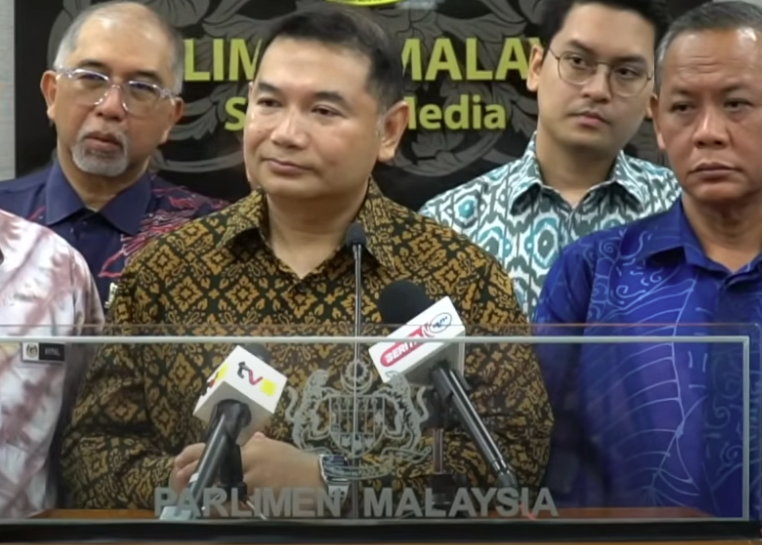
If such an attack could happen to a high-profile politician like Rafizi, then surely one would think, "if the ‘big fish’ is attacked, what about us, the ‘small fish’?"
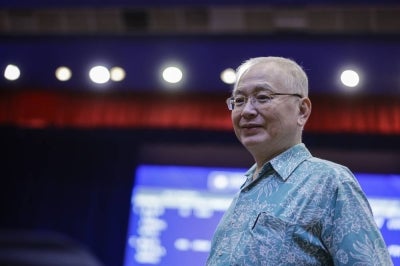
Pacific Research Centre of Malaysia principal adviser and political analyst, Dr Oh Ei Sun, warned that the assault on Rafizi’s 12-year-old son on Aug 13 could send a dangerous message to anyone engaged in public debate.
“When individuals make remarks about certain parties, personalities, or issues that touch upon vested interests, they may fear retaliation not only against themselves but also against their families,” he told Sinar Daily recently.
Oh stated that the attack on Rafizi’s son was not a random act like a theft.
It involved deliberately injecting a syringe into a child, which sends an even stronger message of intimidation.
He cautioned that such acts could gravely damage the quality, diversity and openness of public debate in Malaysia.
Similarly, political analyst Associate Professor Dr Syaza Shukri from International Islamic University Malaysia (IIUM) echoed concerns about the wider implications of the attack.
“It reflects a troubling shift in Malaysia, where the line between political disagreement and real threats is increasingly blurred. If the attack is linked to corruption, it highlights that the problem remains entrenched and the fight is far from over,” she said.
This latest incident comes against a backdrop of growing public mistrust in authorities, fuelled by controversial cases such as the death of Zara Qairina Mahathir, the disappearance of Datin Seri Pamela Ling Yueh and the death of 17-year-old student Muhammad Zaharif Affendi Muhd Zamrie.
Oh pointed out that perceived bias and a lack of transparency in handling these cases have only deepened public doubts about the credibility of the authorities.
According to Oh, the government now faces an urgent task in restoring public trust and protecting democratic space.
“One key step would be to strengthen the Whistleblower Protection Act, ensuring that those unable to report scandals directly to the authorities can approach the media without fear of reprisal while still being legally protected,” he said.
Syaza also stressed that failure to catch the perpetrators soon could have a 'chilling effect' on politicians and commentators, making them more cautious about speaking out and discouraging open discourse.
Despite the intimidation, Rafizi has vowed not to back down from pursuing a recent scandal exposed by whistleblowers.
Police investigations continue and his family remains under heightened security.
Download Sinar Daily application.Click Here!