‘It is very brutal’, Celine Song responds to classist ‘broke man’ backlash over Materialists
Song believes that this reaction reflects a much deeper issue: that society has absorbed harmful ideas passed down by the wealthy, namely, that being poor is a personal failure.



THERE was a time when, if a heroine chose love over wealth, audiences embraced it as a touching act of sincerity, a symbol of true love prevailing over material gain.
Classic films like Titanic were praised for portraying romance untainted by financial motives. But today, similar stories are often met with criticism. In our current social media age, such choices are increasingly labelled as examples of “broke man propaganda.”
That’s exactly the controversy surrounding Materialists, the latest romantic drama directed by South Korean-born Canadian filmmaker Celine Song.
The film has ignited heated debate online, especially across platforms like TikTok, X, and Instagram, where some viewers argue that the story encourages women to prioritise love while ignoring financial security.

In a recent interview, Song addressed the backlash and spoke candidly about the film’s message. She believes much of the criticism stems from a distorted understanding of feminism and a loss of its core principles.
“I'm very concerned about the way that we talk about people who are poor and I think the thing that's very important to me is to stress that poverty is not the fault of the poor. And I think that given that, it is very brutal,” Song said.
She expressed frustration that the deeper themes of Materialists, particularly its critique of capitalism and classism were being overlooked in favour of superficial commentary.
According to her, the backlash signals a broader cultural shift that has lost sight of what feminism once stood for: justice, inclusion, and compassion across class divides.
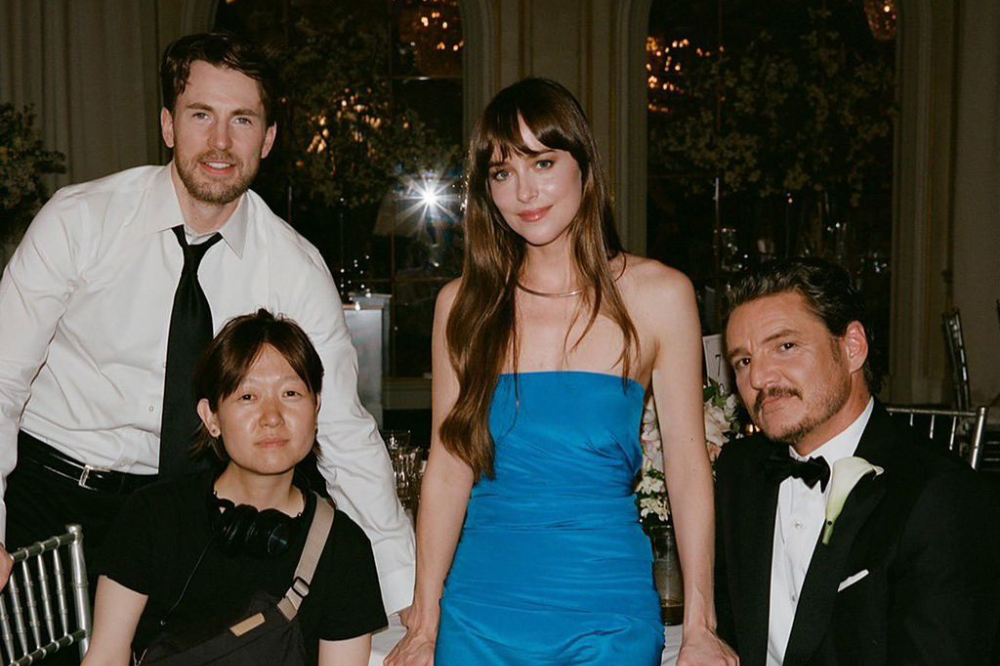
Best known for her earlier work Past Lives, Song is familiar with crafting emotionally layered narratives. In Materialists, she defended the character of John, played by Chris Evans, who becomes the target of mockery online for being portrayed as financially struggling.
Many on social media have reduced John to a stereotype, calling him a “broke man” unworthy of romantic attention, a reaction Song finds both harsh and revealing.
She criticised this response as classist and unfair, particularly because John is shown to be deeply loving and supportive.
She said she found it deeply cruel that people spoke about John, a character who genuinely loves Lucy and is portrayed with such depth by Chris, in such harsh terms, labelling him as a “broke boy” or “broke man.”
“I think that that is a very troubling result of the way that the wealthy people have gotten into our hearts about how it's your fault if you're poor and you're a bad person if you're poor,” she added.
Song believes that this reaction reflects a much deeper issue: that society has absorbed harmful ideas passed down by the wealthy, namely, that being poor is a personal failure.
This mindset, she argued, warps how we perceive relationships and reinforces the idea that emotional value means little without financial power.
In Materialists, the plot centres on Lucy, played by Dakota Johnson, a professional matchmaker in New York City.
Caught in a love triangle, she must choose between two very different men: Harry (Pedro Pascal), a successful tech entrepreneur with generational wealth, and John (Chris Evans), her ex-boyfriend and a struggling actor working a catering job.
Though Lucy initially appears drawn to Harry and the lifestyle he offers, she ultimately decides to leave him and rekindle her relationship with John, marrying him instead.
Predictably, many viewers anticipated this outcome from the trailer, and some weren’t happy about it.
Critics argue that the storyline reinforces outdated tropes, suggesting that women should settle for less if it means choosing “true love.”
This, they claim, overlooks the complex economic challenges many women face and promotes the idea that financial needs should be secondary in relationships.
In today’s social media-driven culture, the idea of the “ideal man” has shifted.
Platforms like TikTok and Instagram now often portray a desirable partner as one who is not only kind and attractive, but also wealthy, and generous enough to ensure a woman never reaches for her own purse.
Within that framework, any narrative that celebrates a financially struggling man is being sarcastically labelled as “broke man propaganda.”
Some commentators feel that films like Materialists gloss over real-world realities.
They argue that romanticising poverty under the guise of choosing love over money risks pressuring women into accepting relationships that don’t meet their emotional or financial needs, framing sacrifice as virtue.
The backlash reveals more than just differing opinions on romance; it points to a cultural divide over what equality and empowerment look like in a modern relationship.
Song, however, sees the conversation as a troubling reflection of how deeply capitalism and classism have influenced our thinking about love and worth.
In her view, the backlash says more about society’s discomfort with poverty than it does about the story she’s trying to tell.
Materialists has become more than just a romantic film, it’s now a flashpoint in ongoing discussions about gender, power, money, and what equality really looks like in relationships today.
Download Sinar Daily application.Click Here!


