New 11-party opposition alliance could shake up GE16 - Hassan
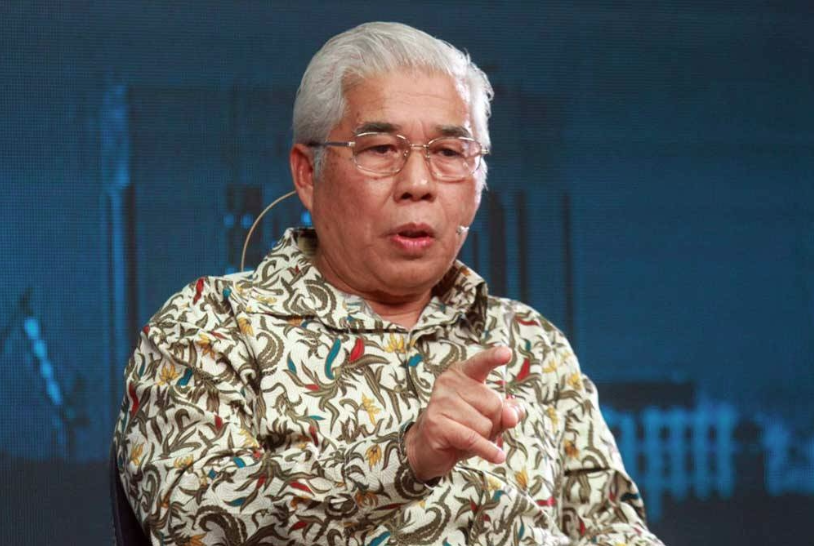
Pasir Gudang MP Hassan Abdul Karim said the coalition was expected to create a more stable political balance when facing the 18 political parties aligned with the Madani government led by Prime Minister Datuk Seri Anwar Ibrahim.

KUALA LUMPUR - The formation of a loose coalition involving 11 Opposition parties, announced by Perikatan Nasional (PN) chairman Tan Sri Muhyiddin Yassin has been described as a positive development in the country’s political landscape ahead of the 16th General Election (GE16).
Pasir Gudang MP Hassan Abdul Karim said the coalition was expected to create a more stable political balance when facing the 18 political parties aligned with the Madani government led by Prime Minister Datuk Seri Anwar Ibrahim.
"The loose opposition coalition led by PN will go up against the strong Madani government bloc, which currently holds a two-thirds majority in Parliament.
"The existence of these two major blocs will create a more peaceful atmosphere as the country heads towards GE16," he said.
Hassan said the opposition coalition, made up of Malay-Muslim parties such as Bersatu, Pas, Pejuang and Putra; Chinese-based parties like Gerakan; as well as Indian-based parties including MIPP, PPP, Iman and Urimai, reflected the diversity of Malaysian society.
The participation of progressive parties such as the Malaysian United Democratic Alliance (Muda) and the Socialist Party of Malaysia (PSM) made the coalition more inclusive, he added.
"With a coalition of parties crossing racial and religious lines, they can no longer rely on narrow racial or religious rhetoric. Instead, all parties must seek a moderate middle ground in their political approach," he said.
Hassan also acknowledged that the Madani government under Anwar has its own strengths, having successfully formed a multiracial and multi-religious administration since November 2022.
He said the strength of the Madani government lies in its stability, experience and inclusive policies through the coalition of Pakatan Harapan with parties from Peninsular Malaysia, Sabah and Sarawak.
"Although the Madani government holds a large majority, the number of opposition MPs is not small and remains strong. This is what creates a healthier political balance," he added.
Hassan said the future of the 11-party opposition coalition depended on how well it can build a national political narrative by focusing on key issues affecting the people.
"If they focus on issues such as the economy, national finances, government governance, corruption in ministries, cost of living, taxes and subsidies, it will put pressure on the Madani government.
"Moreover, if Umno Youth and DAP Youth continue to quarrel among themselves, it could damage the government’s image," he said.
However, he said he believed that the Madani government still held an advantage if it remained moderate, non-racial and focused on social justice for all Malaysians.
He said this was clearly reflected, both explicitly and implicitly, in the 13th Malaysia Plan (RMK13), which shifted from race-based economic policies to an approach that focused on the actual needs of the people.
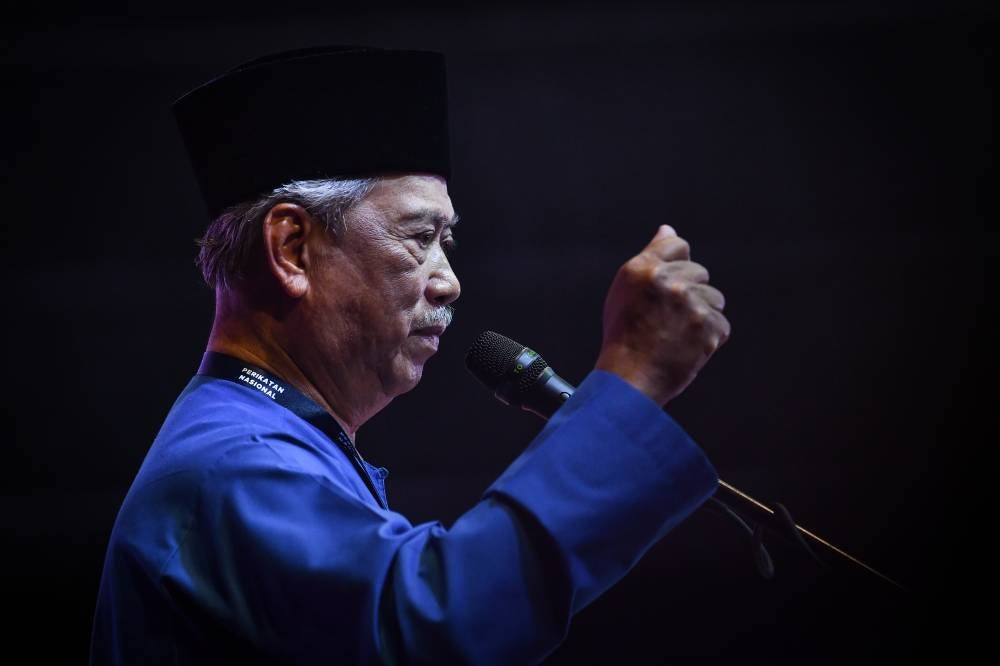
"This political formula is what can ensure continued support for the Madani government from people of all backgrounds ahead of GE16, provided that unnecessary quarrels among its component parties are stopped immediately.
"If not, the people may grow tired of the fighting and shift their support to the opposition coalition led by Muhyiddin," he said.
Earlier, 11 Opposition parties reached an agreement to form a loose coalition to champion issues they claimed had not been addressed by the Madani government, including reform pledges that have yet to be fulfilled.
Muhyiddin said although a consensus had been reached, the official name of the coalition would only be announced at the next meeting.
Download Sinar Daily application.Click Here!


