Unveiling falsehoods in commemorating Arbaeen
The Arbain commemoration, which takes place on the 40th day after the Karbala tragedy, has become one of the most significant rituals among Shia followers.
SINAR DAILY REPORTER
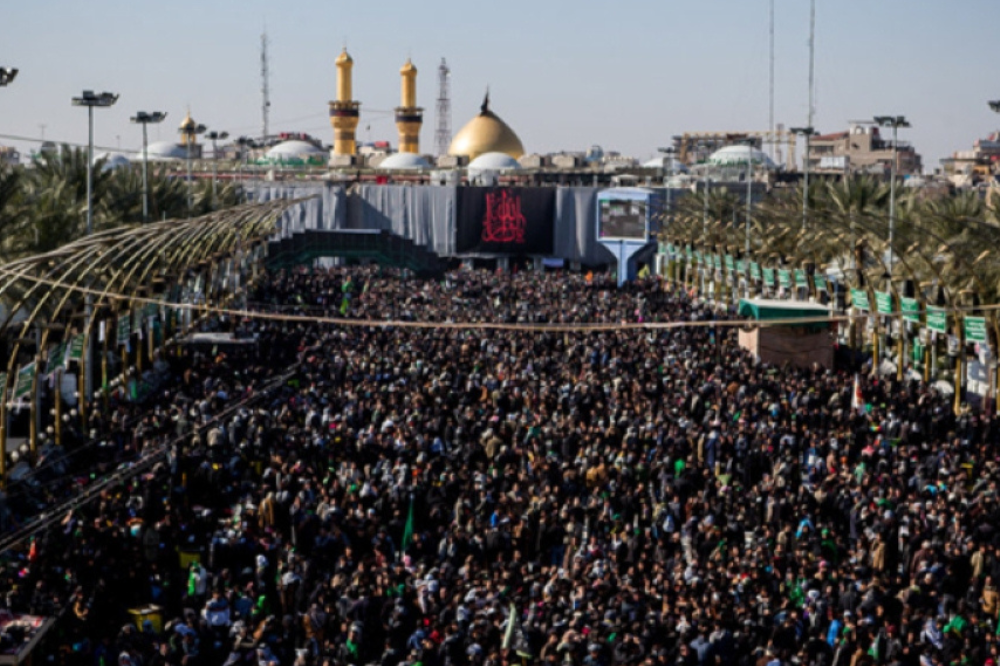
The Arbain ritual, widely observed by Shia communities as a grand commemoration of the tragedy of Karbala, has been rejected by Sunni scholars as a religious innovation with no basis in Islam.
In Arabic, Arba’in means “forty”. The Arbain commemoration, which takes place on the 40th day after the Karbala tragedy, has become one of the most significant rituals among Shia followers.
Among Shia Imamiyyah (Ja‘fariyyah), Arbain is observed with grand celebrations, rituals and pilgrimages to the shrine of Sayyidina Hussein R.A. in Karbala, Iraq.
It is considered a sacred occasion in their religious calendar, on par with Eid.
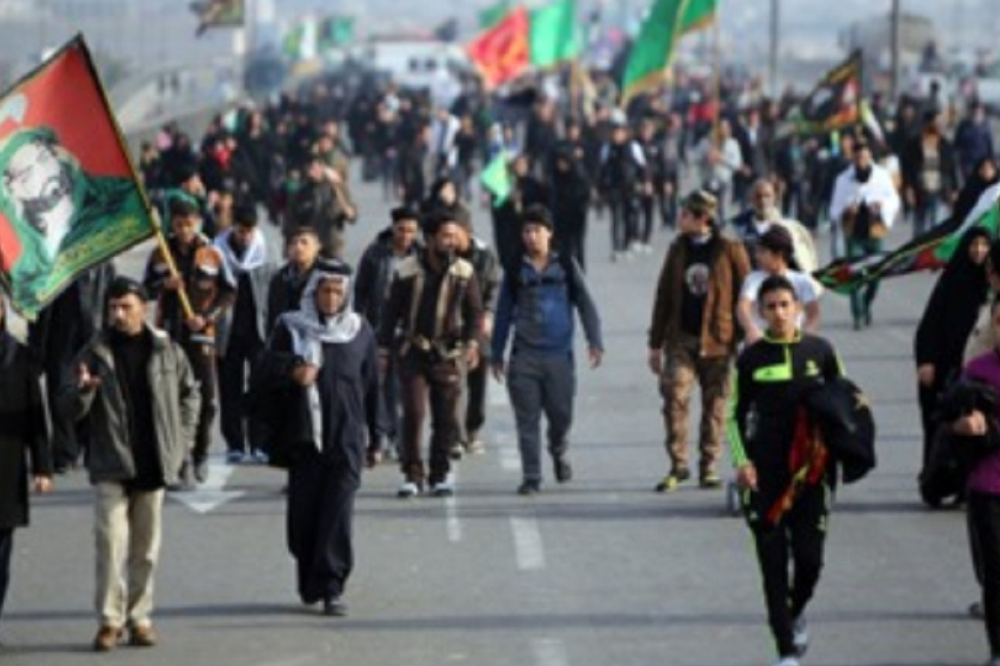
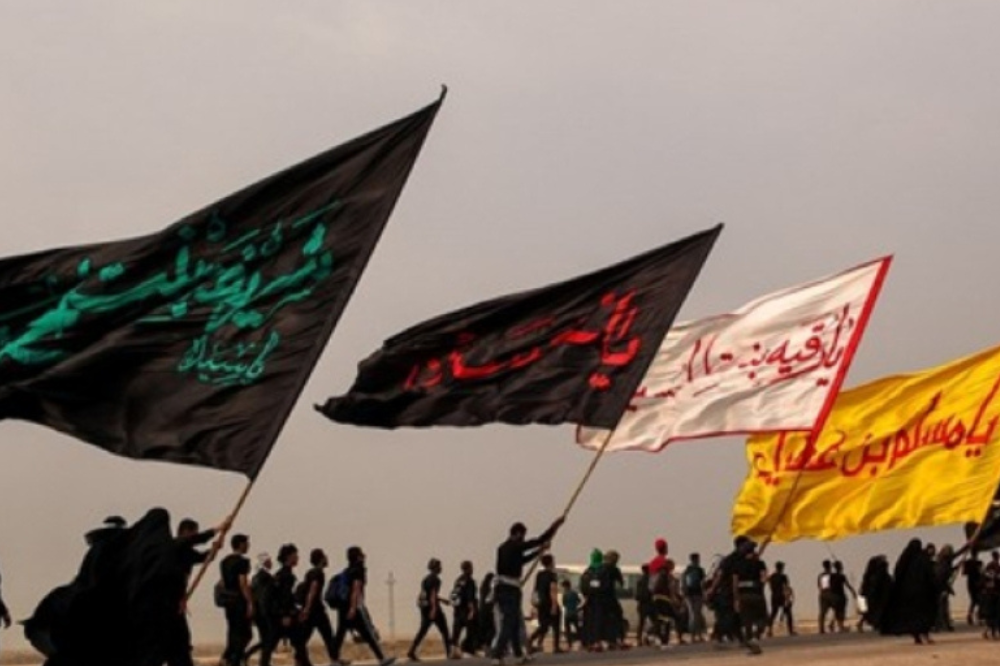
Every year, millions of Shia adherents from Iraq and beyond travel to Karbala to mark Arbain and honour the martyrdom of the grandson of Prophet Muhammad SAW.
However, Islamic scholars have highlighted that commemorating Arbain was never practised by Prophet Muhammad SAW, his companions, the tabi‘in or the early generations of Muslims (Salafussoleh).
They stress that it is a later fabrication that has been ritualised without any legitimate foundation in Islamic law.
One of the most common claims supporting Arbain is the story of Jabir bin Abdillah al-Ansari R.A., a companion of the Prophet Muhammad SAW, who is said to have visited the grave of Sayyidina Hussein R.A. on the 40th day after his death.
Shia adherents point to this as justification for Arbain as a legitimate religious observance.
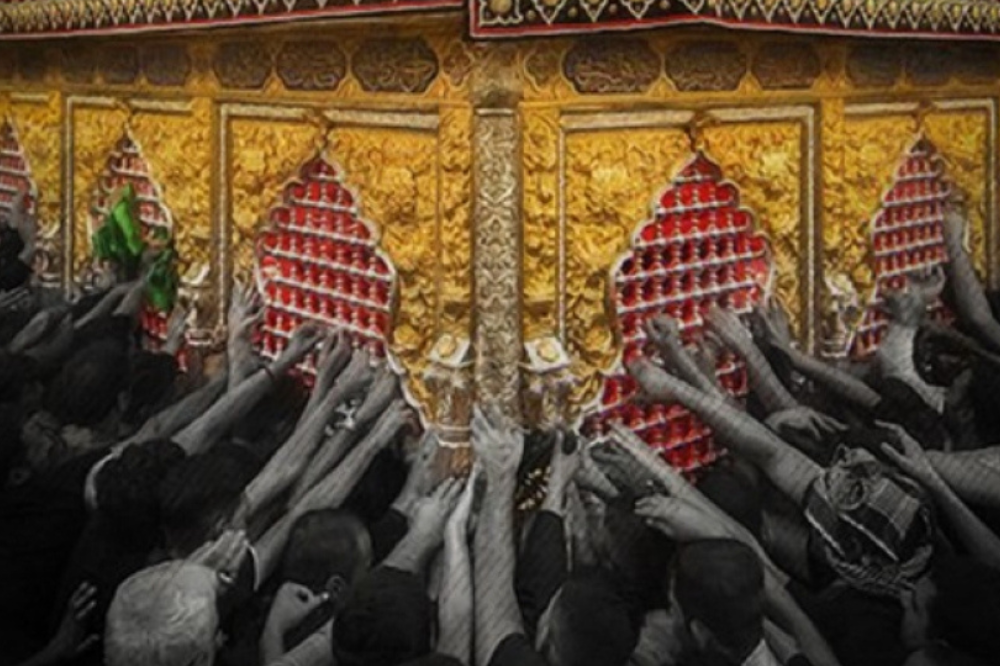
According to Kamil al-Ziyarat by Ibn Qulawayh al-Qummi, Jabir R.A., together with a tabi‘in named ‘Atiyyah al-‘Awfi, visited Karbala, placed his hand on the grave of Sayyidina Hussein R.A., conveyed salutations, wept and said:
“I bear witness that you have fulfilled what Allah the Almighty promised you.”
While this narration is used as a basis for Arbain, scholars argue otherwise.
Firstly, acts of worship in Islam must be founded upon clear scriptural evidence. Though Jabir R.A. may have visited the grave, there is no authentic hadith from the Prophet Muhammad SAW prescribing a visit specifically on the 40th day after death.
Neither did other companions such as Ibn Umar, Abu Hurairah or even members of Ahlul Bait practise this.
Furthermore, the narration itself does not explicitly state that Jabir’s visit occurred on the 40th day. The assumption is based only on speculative timing of his journey from Madinah to Karbala and no categorical evidence establishes Arbain as a designated date of religious significance.
Thirdly, the narration relies entirely on ‘Atiyyah bin Sa‘id al-‘Awfi, who, according to Imam Ahmad bin Hanbal and Ibn Hajar al-Asqalani, was a weak narrator.
Islamic jurisprudence makes it clear that worship is strictly bound by revelation:
“Al-‘ibadat tawqifiyyah, la yajuz fiha illa bima warada ‘an al-shari‘”
(Worship is based on revelation; it cannot be performed except as prescribed by the Shari‘ah).
Shariah guidance
In Islam, there is no prescribed commemoration beyond the rites of funeral, prayer, burial and supplication for the deceased.
Prophet Muhammad SAW prohibited mourning rituals that involve exaggeration, stating:
“He is not one of us who strikes the cheeks, tears the clothes and cries with the cries of Jahiliyyah.” [Hadith: Bukhari & Muslim]
Practices of Shia Imamiyyah on Arbaeen
-Performing the Arbaeen pilgrimage either directly in Karbala or remotely by reciting the Ziyarat Arbaeen prayer narrated from Imam Ja‘far al-Sadiq.
-The Arbaeen Long March (walking from Najaf to Karbala, 82 km). Millions of Shia pilgrims from around the world walk towards the shrine of Sayyidina Hussein R.A., particularly from Najaf.
-Holding gatherings filled with embellished Karbala stories, collective mourning and sometimes cursing the companions of Prophet Muhammad SAW.
-For those unable to attend in Karbala, they are encouraged to recite Ziyarat Arbaeen, observe voluntary fasting, give charity and hold religious lectures as a form of spiritual participation.
None of these practices trace back to the Prophet SAW, his companions, or Ahlul Bait.
Several fabricated hadiths have also been circulated to support Arbain. Among them:
1. The heavens wept for al-Husayn for forty mornings.
This narration, found in al-Kamil fi al-Ziyarat by Ibn Qulawayh, has been declared fabricated by scholars such as Ibn al-Jawzi, who included it in al-Maudhu‘at.
2. Whoever visits al-Husayn on Arbain, it is as if he has visited Allah on His Throne.
Reported in Bihar al-Anwar by al-Majlisi, this narration equates visiting a creation with visiting Allah, a belief that endangers the integrity of Islamic creed.
Views of Ahlus Sunnah scholars
Prominent Sunni scholars have strongly rejected Arbain. Sheikh Dr Yusuf al-Qaradawi (d. 2022), despite being regarded as moderate, condemned such Shia practices:
“The spread of a culture of self-flagellation, excessive mourning and ritualised grief in religious form is an innovation that does not exist in Islam.”
He also warned against the propagation of Shia ideology through emotional platforms like Arbain, as it misleads ordinary muslims.
Sheikh Dr Muhammad Sa‘id Ramadan al-Buti (d. 2013) rejected the Shia narrative of Karbala, stating in his work al-Salafiyyah Marhalah Zamaniyyah Mubarakah La Madhhab Islami:
“Whoever invents a celebration or worship without foundation from Prophet Muhammad SAW, it is rejected, no matter how good his intentions may be.”
Sheikh Dr Ahmad al-Raysuni also argued that Arbain is a Shia propaganda tool to spread hatred towards the companions and divide Muslims. He stressed:
“Love for Ahlul Bait is not about crying and torturing oneself, but about following their character and their struggle.”
Scholarly consensus
In conclusion, Sunni scholars are united in their position that Arbain is a religious innovation. They emphasise that:
-Arbain has no basis in the practices of Prophet Muhammad SAW or his companions.
-Rituals of mourning, self-harm and mass marches contradict the Sunnah.
-Fabricated hadiths are used to justify false practices.
-True love for Sayyidina Hussein R.A. must be expressed through prayer, remembrance and adherence to the Sunnah.
The true way to love Sayyidina Hussein R.A.
The genuine way of honouring Sayyidina Hussein R.A. lies not in rituals built on fabricated traditions, but in emulating his courage, praying for him and defending the faith as he did.
Islam prohibits innovations and calls for moderation in remembering the deceased.
Muslims are therefore urged to express their love for Ahlul Bait in accordance with the Shari‘ah, and not through emotional practices mixed with false narrations and superstition.
Download Sinar Daily application.Click Here!