I tried a continuous glucose monitor for two weeks — here’s what I learned
Tracking my glucose in real time revealed surprising spikes, hidden dips, and what my body’s really doing behind the scenes.


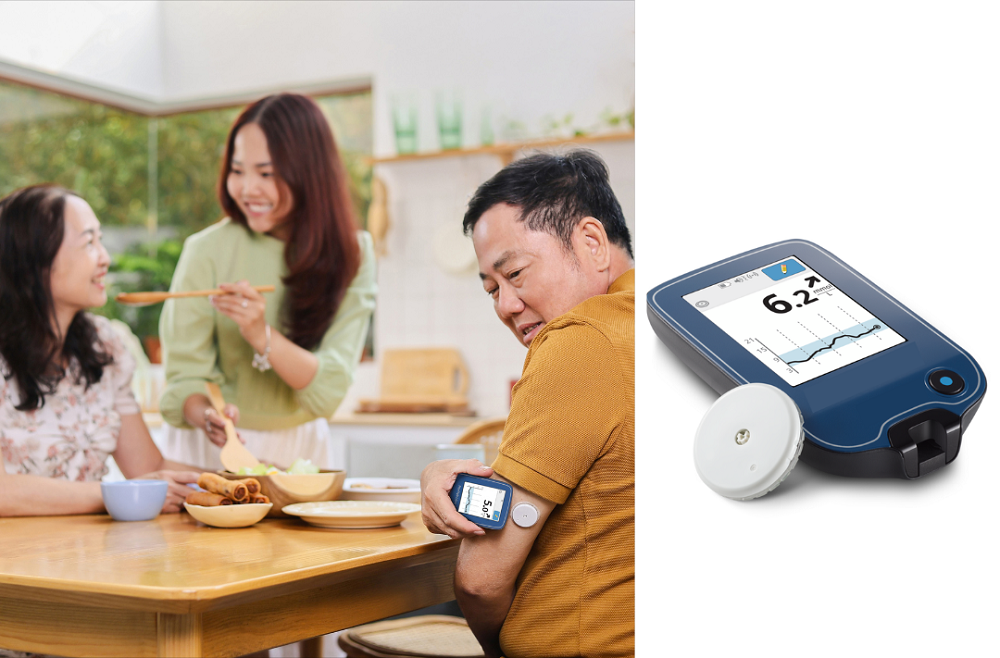
I’m not diabetic, but my family history is peppered with it. Now that I’m older, I wanted to take a closer look at how my body responds to food and daily habits.
So I decided to try Abbott’s FreeStyle Libre, a continuous glucose monitoring (CGM) system that you wear on your arm like a tiny patch.
It’s often marketed for people with diabetes, but in recent years, CGM has become a tool for the health-conscious too, offering a deeper look at how lifestyle affects blood sugar. Here’s what I discovered.
I’ll be honest: inserting the sensor wasn’t exactly pleasant. The micro-filament that goes under the skin gave me a sharp sting, and the spot felt a bit itchy at times. Maybe my pain threshold isn’t too high, especially under the arm. But once it settled, I almost forgot it was even there.
For a while, I’ve woken up feeling dizzy and never really knew why. The CGM gave me the answer: my blood sugar levels dip below average in the mornings.
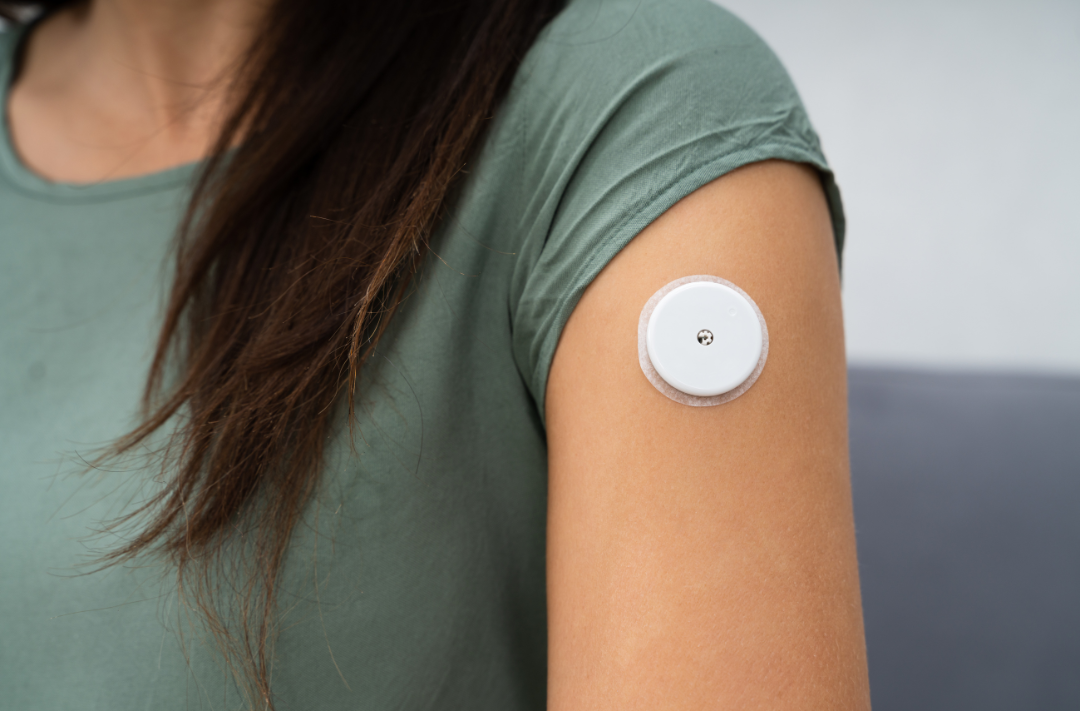
With that knowledge, I could adjust, making sure I eat something to bring my levels up and avoid starting the day lightheaded.
People always say nasi lemak is a blood sugar bomb, especially first thing in the morning. But when I tested it out, my glucose levels didn’t spike the way I expected.
The Abbott team later told me that portion size makes all the difference. I usually share a pack of nasi lemak with my husband, which explains why the effect on me wasn’t dramatic. And honestly, I was relieved, I can still enjoy my morning nasi lemak guilt-free.
On the flip side, some foods did make my blood sugar shoot up like noodles and fried chicken, for instance. But here’s where the CGM proved its worth.
I learned that a short walk after meals really does help bring sugar levels back down. It wasn’t just theory, I could see the numbers change in real time. That was both reassuring and motivating.
The FreeStyle Libre comes with a separate reader device, which I would at times forget to bring along. Personally, I wish it synced directly to my phone app instead, it would be far more convenient. Still, over the two weeks, the routine became second nature.
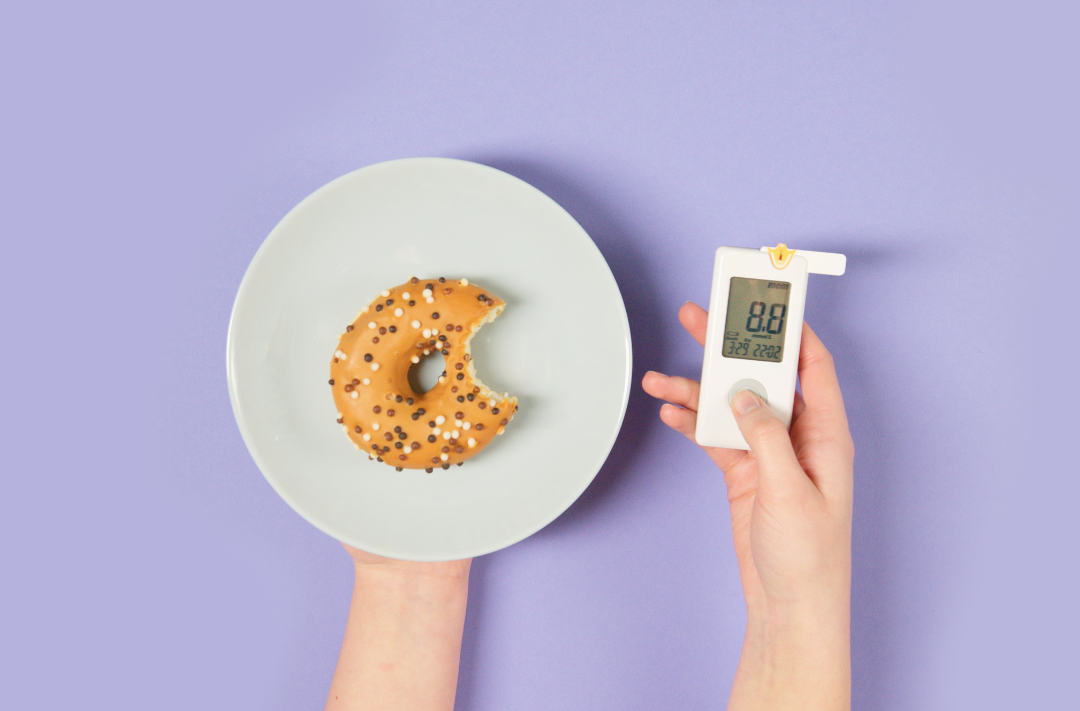
What struck me most was how much context CGM gave me. I began to understand why my body reacted the way it did after certain meals, and which foods were my personal triggers.
It wasn’t about labelling things as “good” or “bad,” but about seeing the cause-and-effect in real time.
The biggest win for me: I don’t have to give up my nasi lemak.
So what’s next? This experiment wasn’t just about me. My father has diabetes, and after seeing how much I’ve learned from CGM, I’m convinced it could change his daily life too.
The data is empowering, the finger-pricks can be reduced and the feedback is immediate.
Note: In Malaysia, continuous glucose monitoring devices are approved for use by people living with diabetes. The information provided is for general knowledge and educational purposes only, and it is not a substitute for professional medical advice, diagnosis, or treatment. You should always consult a qualified healthcare professional for specific medical concerns.
Download Sinar Daily application.Click Here!


