Anwar's silence on Rafizi-Farhash scandal damages public trust, analysts warn
Anwar’s silence reflects a combination of personal judgment and political calculation.


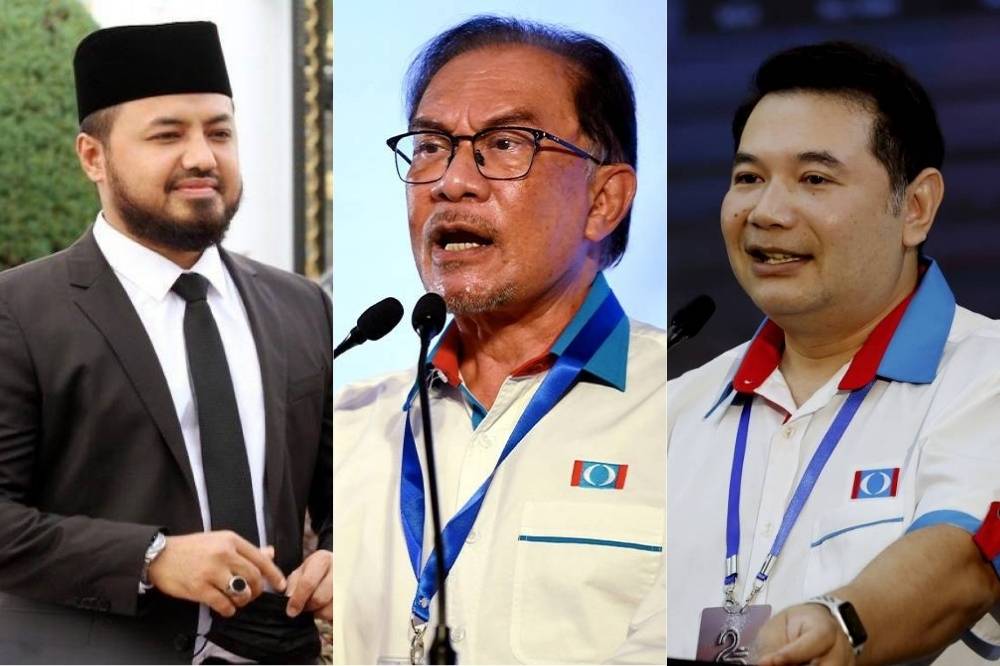
SHAH ALAM – Prime Minister Datuk Seri Anwar Ibrahim’s decision to stay silent over the Rafizi-Farhash scandal appeared politically calculated to avoid worsening internal disputes within PKR.
However, analysts warned that his silence had instead intensified public perception of deepening divisions in the party.
Political analyst Associate Professor Dr Syaza Shukri from the International Islamic University Malaysia (IIUM) said the controversy had worsened existing concerns about factionalism within PKR.
“The current scandal has only deepened public perception of factionalism within PKR.
"This was already evident during the party elections, but with Pandan MP Datuk Seri Rafizi Ramli taking such an aggressive stance, it is clear that tensions inside the party are running high.
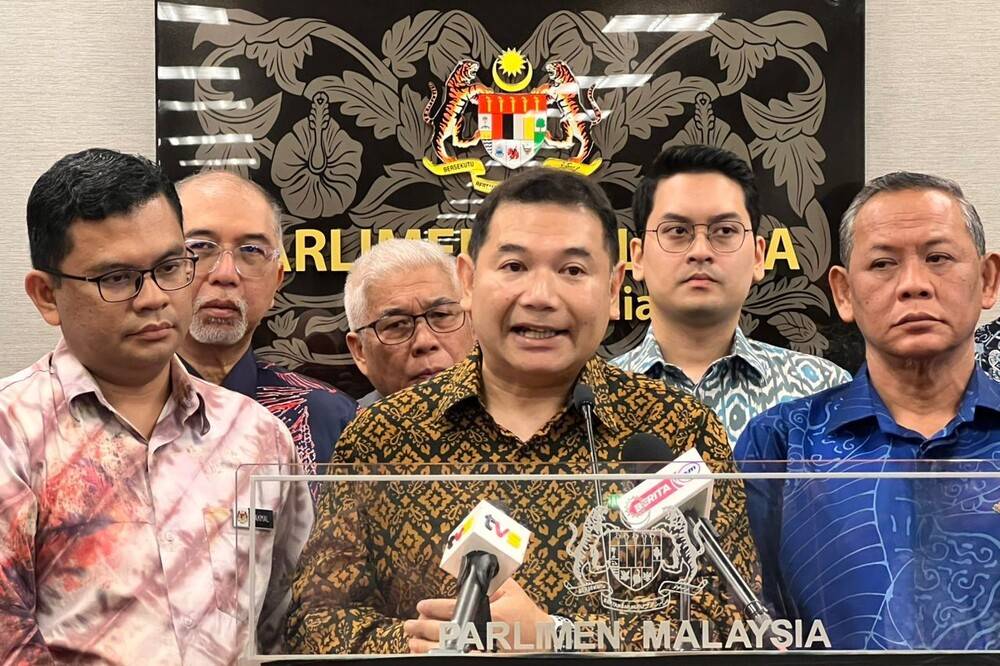
“Anwar’s decision not to intervene seems to stem from a desire to avoid further politicising the issue.
"However, by remaining silent, he leaves space for public perception to spiral unchecked. A better approach might have been to acknowledge the matter openly while allowing the proper institutions, whether the courts or the Malaysian Anti-Corruption Commission (MACC), to handle it,” she told Sinar Daily.
Syaza added that while the approach reflected political pragmatism, it also came with significant risks.
She described that Anwar might believe the issue is best handled by giving it as little attention as possible.
However, this silence risks backfiring, as it tends to fuel speculation and has already cast him in a negative light, with many quick to assume the worst.
She argued that the fallout has already eroded public trust.
“The damage is real. Some are drawing parallels with Barisan Nasional’s (BN) era politics. For many, the fact that Anwar is leading this government makes it even more disheartening. It leaves people wondering who they can truly rely on in Malaysian politics.
“What the public is really asking for now is transparency. They want clarity on the steps being taken and a clear timeline for updates. Silence, at this point, only makes matters worse,” she emphasised.
Meanwhile, Pacific Research Centre of Malaysia principal adviser and political analyst Dr Oh Ei Sun said the scandal has had a largely negative effect, especially among PKR’s core supporters who place exceptionally high expectations on the party as a symbol of reform and progress.
He observed that recent developments in both Peninsular Malaysia and Sabah appear increasingly reminiscent of the very old regime PKR once aimed to dismantle.
Oh added that Anwar’s silence reflects a combination of personal judgment and political calculation.
“I would say that Anwar’s decision not to address the matter seems to be a mix of different factors.
"Part of it comes from his own genuine, though subjective, view that the issue is not serious enough to require his direct intervention.
"At the same time, I think there is also an element of political calculation in wanting to avoid escalating factional disputes within PKR,” he said.
Oh cautioned that the move could invite parallels with past scandals, pointing out that some have even likened it to former prime minister Datuk Seri Najib Razak’s dismissive attitude toward fugitive businessman Low Taek Jho or Jho Low before 2018, a reminder of how the public might see such reluctance as minimising an issue that could escalate further.
Oh also warned that PKR’s reformist reputation risks being undermined if transparency is not treated as a priority.
“This approach risks alienating PKR’s traditional base as well as potential new supporters, who may increasingly see little to distinguish the party from its rivals.
“I believe collusion of this nature is unfortunately common in many developing countries and Malaysia is not an exception.
"While reforms and corrective measures have been proposed, the results so far are far from conclusive. My hope is that as the country progresses, these issues can be gradually alleviated, but for that to happen, leaders, parties and institutions like the MACC must take transparency and fairness far more seriously than they have in the past,” he added.
The scandal stemmed from a heated dispute between Rafizi and businessman Farhash Wafa Salvador Rizal Mubarak.
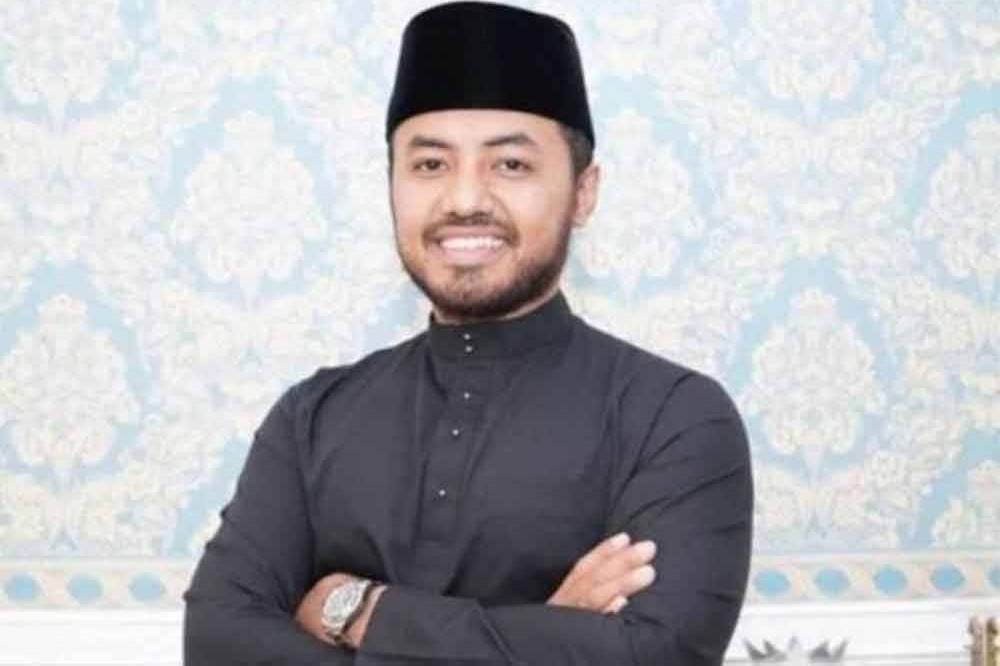
Rafizi accused Farhash of being linked to a scandal and alleged that he was connected to the assault on Rafizi’s 12-year-old son in Putrajaya, where the boy was jabbed with a syringe by masked assailants.
Rafizi claimed the attack was meant as a warning related to information he had received about Farhash’s business dealings.
Farhash, through his lawyers, issued a letter of demand requiring Rafizi to retract his claims, delete his social media posts and issue an apology within two days.
He denied the allegations, calling them false and damaging to his reputation.
Rafizi refused, insisting his statements were factual and that he was prepared to defend them in court.
The controversy reignited scrutiny of Farhash’s role within PKR.
Rafizi claimed that he and other leaders had repeatedly raised concerns with Anwar, but the Prime Minister dismissed them by saying Farhash was only his former political secretary.
Rafizi countered that Farhash had built significant influence since 2019 and by 2022 was leading his own faction, known as the “black shirt gang.”
He also alleged that whistleblowers had linked Farhash to a Sabah mining scandal, suggesting the assault on his son might have been connected to these revelations.
Download Sinar Daily application.Click Here!


