What to know about the protests across Indonesia
At least seven people have been killed in violent protests shaking Indonesia since last week, as anger mounts over widespread discontent with President Prabowo Subianto’s rule in the world’s fourth most populous nation.


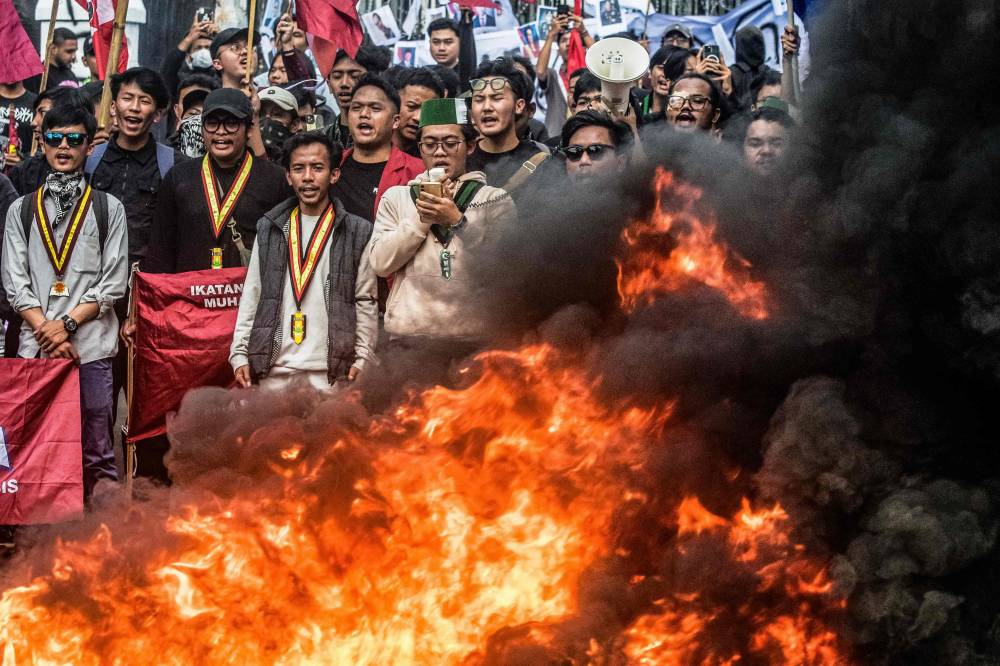
At least seven people have been killed in violent protests shaking Indonesia since last week, as anger mounts over widespread discontent with President Prabowo Subianto’s rule in the world’s fourth most populous nation.
What started as outrage over politicians’ lavish allowances has transformed into something deeper: a rejection of inequality, corruption and heavy-handed policing in Southeast Asia’s largest economy.
Here’s what’s happening and why it matters.
The crisis erupted after revelations that all 580 members of Indonesia’s House of Representatives (DPR) were receiving monthly housing allowances of 50 million rupiah (£2,500/US$3,100).
That sum is nearly ten times Jakarta’s minimum wage and critics argued it was tone-deaf at a time when ordinary Indonesians are struggling with soaring living costs, unemployment and new tax burdens.
Public anger intensified when DPR Deputy Speaker Ahmad Sahroni allegedly dismissed calls for parliament’s dissolution, branding protesters ‘dumb.'
The insult spread quickly online, fuelling resentment and making parliamentarians’ lavish lifestyles a lightning rod for public fury.
On Aug 25, demonstrations began in Jakarta before spreading to Surabaya, Bandung, Makassar, Yogyakarta and other cities.
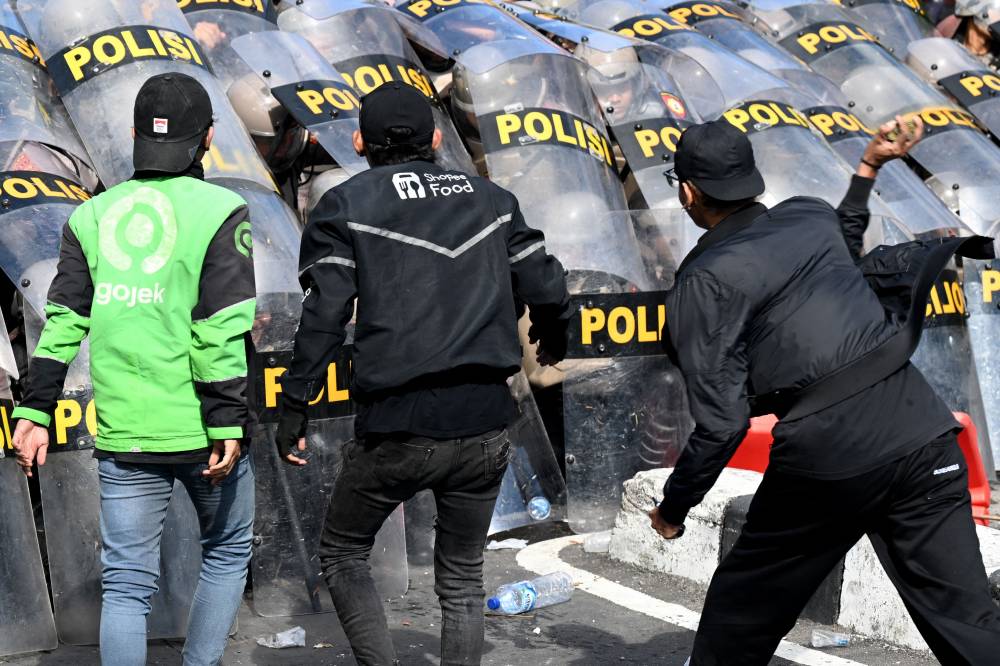
Initially focused on allowances, the protests escalated dramatically after 21-year-old motorcycle taxi rider Affan Kurniawan was killed when a police tactical vehicle ploughed through demonstrators in Jakarta.
By late August, protesters were torching regional parliament buildings, attacking police stations and clashing with riot squads.
In Makassar, three people were killed after a parliament building was set ablaze.
Protesters also targeted the private homes of political elites.
Residences belonging to Finance Minister Sri Mulyani Indrawati, politician Eko Patrio and celebrity-turned-politician Uya Kuya were broken into.
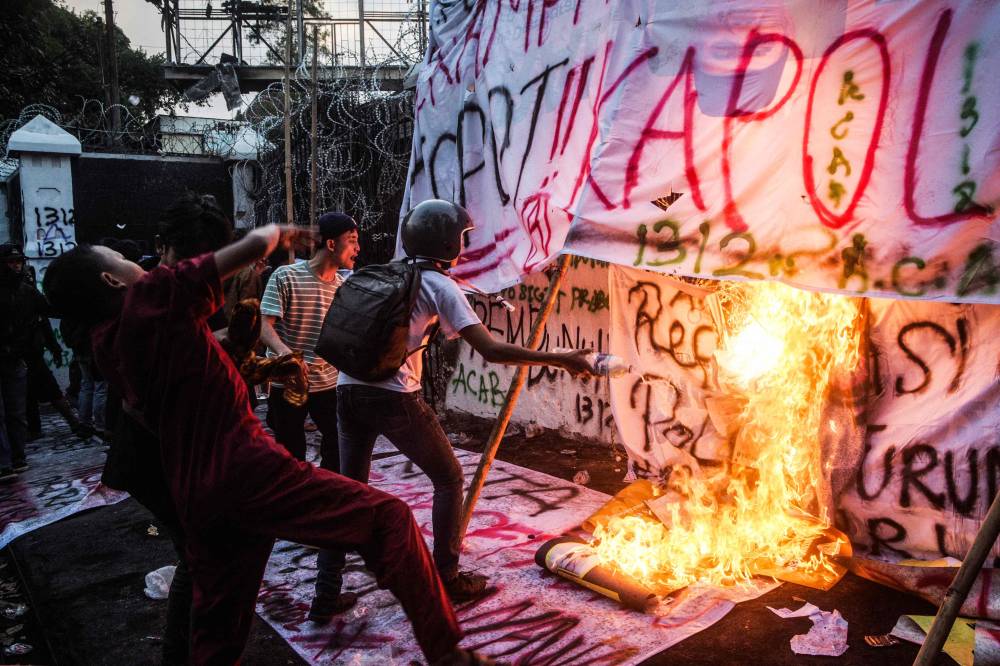
Viral videos showed looters carting away branded handbags, luxury watches, a bathtub and even a life-sized Iron Man costume owned by Sahroni.
Electronics, documents and vehicles were also reported stolen, raising questions about how angry crowds penetrated Jakarta’s normally impenetrable gated compounds.
The human toll
The protests have left a grim trail:
- Seven people dead including Affan, a Yogyakarta university student and a man beaten to death after being mistaken for a police agent.
- 469 people were injured, with nearly 100 hospitalised.
- 55 billion rupiah (£2.8m/US$4.6m) in damage recorded in Jakarta alone, according to local authorities.
- Foreign embassies, including those of the United States, Canada, France, Australia and Malaysia have issued warnings, urging citizens to avoid demonstration areas.
- TikTok has temporarily suspended its live-streaming feature, citing safety concerns.
How has the government responded?
Prabowo, who took office less than a year ago, has ordered the military and police to take firm action, accusing rioters of treason and terrorism.
More than 1,200 people have been detained.
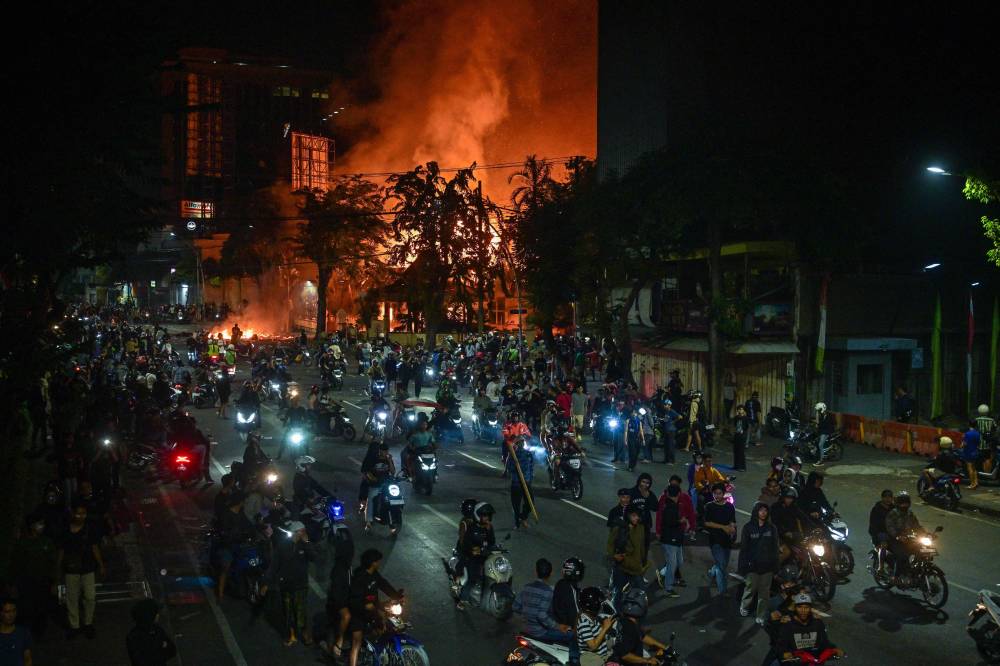
At the same time, Prabowo has offered rare concessions. Flanked by party leaders, he announced cuts to lawmakers’ perks, a suspension of overseas trips and a probe into police conduct surrounding Affan’s death.
He also promised financial support for the victim’s family.
The president even cancelled a high-profile trip to Beijing, stressing the gravity of the crisis.
Why this matters beyond Indonesia
Indonesia is not only the world’s most populous Muslim-majority country but also a key player in Asean. Prolonged instability could ripple across the region, affecting trade, security and investor confidence.
What happens next?
For now, tensions remain high, with security forces bracing for more demonstrations in Jakarta and other cities.
Protesters have vowed to keep pressure on until deeper reforms are made.
Prabowo’s challenge is twofold: to restore order without fuelling further resentment and to show both Indonesians and the international community that his administration can govern a democracy of 280 million people without resorting solely to force.
Whether he succeeds could shape not just his presidency but Indonesia’s democratic credibility in the years ahead.
Download Sinar Daily application.Click Here!


