Ink on paper will not return slaughtered children to their mothers
Why recognition without sanctions or accountability risks becoming another empty gesture for Palestine?
REVDA SELVAR
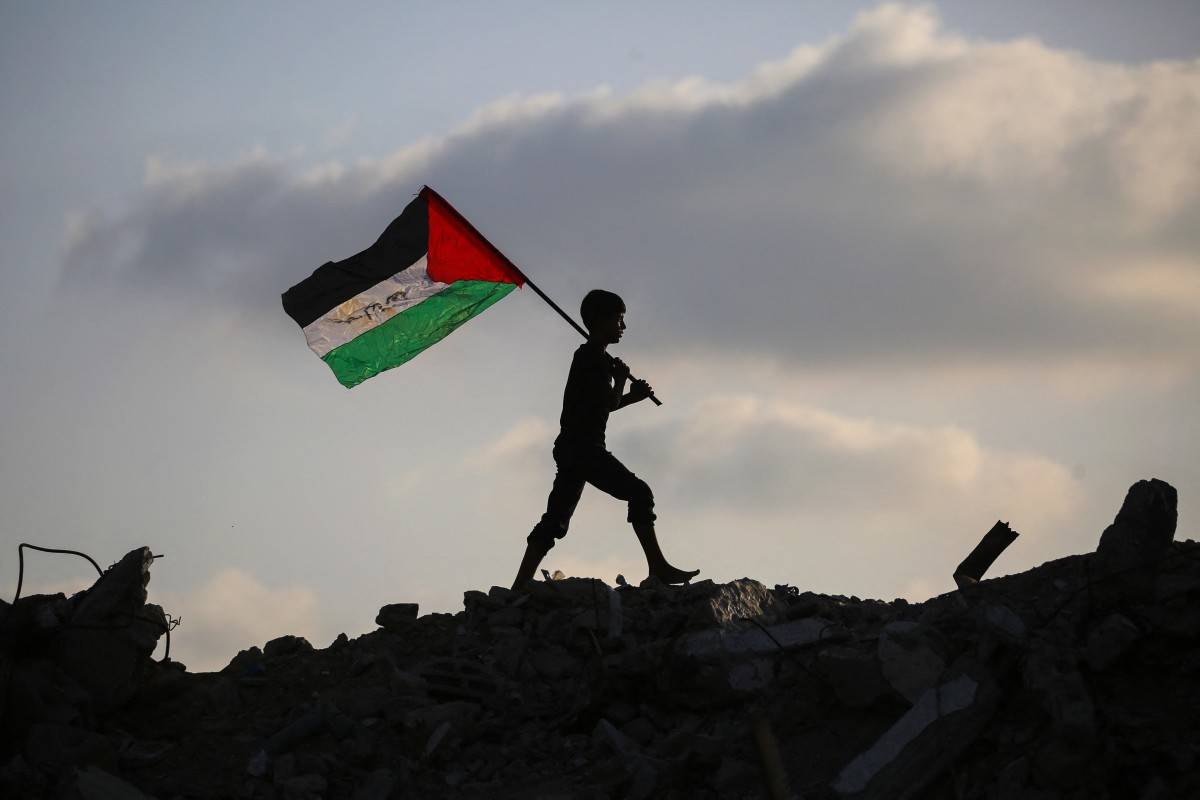
RECENT weeks have seen a remarkable wave of developments in Europe. Spain cancelled a €700 million arms deal with Israel, a bold move breaking decade of complicity. France recognised the State of Palestine ahead of the UN General Assembly, while Spain went further, threatening to boycott the 2026 FIFA World Cup if Israel is allowed to participate.
These moves indicate a growing acknowledgment that solidarity with Palestine cannot remain confined to rhetoric.
Yet, we must be careful not to mistake these shifts for a turning point—at least not yet. France’s recognition, for example, remains largely symbolic. It carries moral weight, but without sanctions, trade restrictions, or political consequences for Israel, it risks being another hollow gesture.
Recognition that is not backed by accountability is little more than ink on paper, offering no real relief to Palestinians facing daily violence and displacement.
The history of Palestinian recognition is long but uneven. Since the 1980s, over 140 UN member states have recognised Palestine, though many of these recognitions remained largely symbolic, with little to no practical consequences for Israel’s policies.
Today, nearly 80 per cent of the UN’s 193 member states officially acknowledge Palestine as a legitimate state, with recent additions including France, Spain, Ireland, Norway, Slovenia, Andorra, Portugal and several Caribbean nations.
If this momentum continues, it could further isolate Israel diplomatically and politically, creating leverage that might eventually translate into concrete measures on the ground.
The importance of this wave cannot be overstated. Recognition boosts Palestinian morale and legitimises their claims in international forums. More importantly, it pressures Israel occupation by undermining its narrative of impunity and normalcy.
Just as international sanctions and boycotts weakened apartheid South Africa, coordinated global actions—whether diplomatic, economic, or cultural—can challenge Israeli occupation and force accountability. Spain’s move, combining the cancellation of arms deals with threats in the sports arena, illustrates how diverse levers of pressure can be applied.
Global sports events are not neutral; they confer legitimacy, and excluding a state from them is a tangible form of sanction that carries moral and psychological weight.
This momentum also exposes Europe’s double standards. When Russia invaded Ukraine, European nations responded swiftly with sanctions, financial restrictions, and diplomatic isolation. Major global brands, including McDonald’s, Starbucks, and Zara, exited Russia almost overnight. Europe proved it is capable of decisive, united action when political will exists.
Yet decades have passed with little comparable action for Palestine, despite mass killings, destruction of homes, and systematic human rights abuses. Why the delay? The ability to act decisively has already been demonstrated—it’s a question of political courage and moral priority.
The benefits of the current recognition wave, if sustained, are substantial. It places Palestine back at the centre of international discourse, challenges Israel’s normalisation across global arenas and pressures states, corporations and institutions to reconsider complicity.
Recognition backed by sanctions, embargoes, and legal accountability could shift power balances, giving Palestinians leverage that has long been denied. It could also inspire other states to act boldly, creating a cascade effect that further isolates Israel until the occupation ends.
But until recognition is accompanied by meaningful action, the suffering in Gaza and across occupied Palestine will not stop. Ink on paper will not return slaughtered children to their mothers. Symbolic gestures without sanctions, embargoes, or enforcement mechanisms risk becoming another chapter in a long history of unfulfilled promises to the Palestinian people.
Spain has demonstrated that solidarity can move beyond symbolism, while France still hesitates between words and action. Recognition in itself is not meaningless, but it must be transformed into pressure that changes Israeli occupation calculations on the ground.
The question is: how many more lives must be lost before the world acts with the same urgency for Palestine as it once did for Ukraine?
Revda Selver is Friends of Palestine Public Relation and Media Executive. The views expressed in this article are his own and do not necessarily reflect those of Sinar Daily.
Download Sinar Daily application.Click Here!


