Besides Israeli bombs, deliberate starvation, infectious diseases threat also killed Palestinians
Despite constant airstrikes and the deaths of their own colleagues, aid workers continue to risk their lives to deliver food, medicine and clean water.


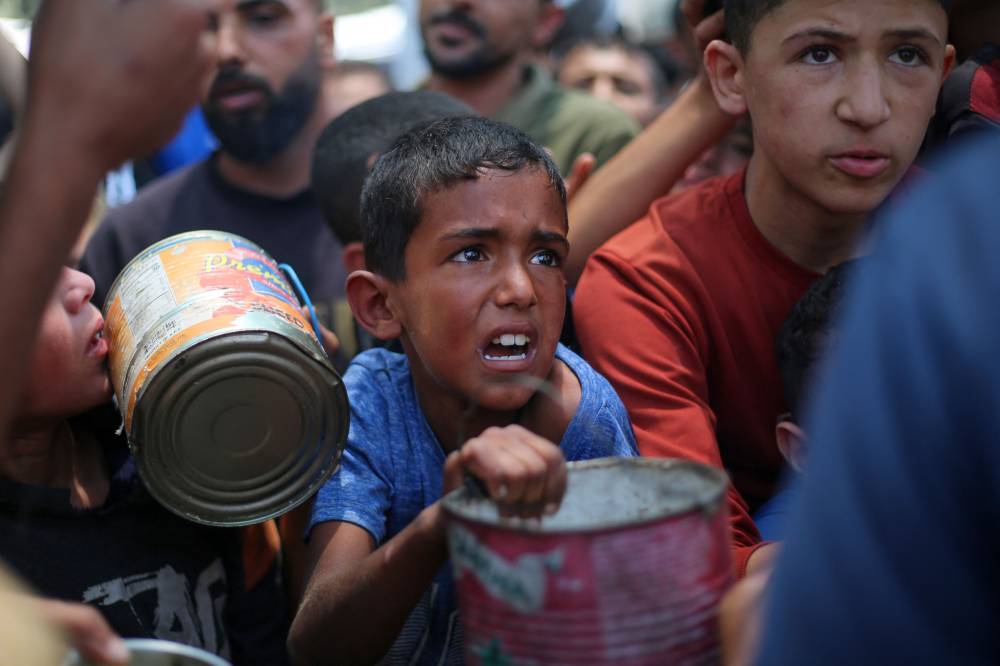
SHAH ALAM – In Gaza, it is not only Israeli bombs that claim lives.
Severe malnutrition, a shortage of clean water and the spread of preventable diseases are also killing Palestinians as the Israeli occupation on Gaza drags on and aid remains heavily restricted.
Despite constant airstrikes and the deaths of their own colleagues, aid workers continue to risk their lives to deliver food, medicine and clean water.
American Near East Refugee Aid (Anera) President and chief executive officer (CEO) Sean Carroll said his team has refused to abandon its mission even as conditions become increasingly dangerous.
“Hundreds of aid workers have been killed, mostly Palestinians, including two of Anera’s staff in Israeli air strikes. We cannot keep them safe, unfortunately.
“From the beginning of this occupation and in previous bombings of Gaza, our staff have chosen to work. This time, instead of waiting a few days for the bombing to stop, they began delivering aid immediately and they have not stopped,” Carroll said during an episode of Palestinian Diaries on Sinar Daily recently.
He said that most staff members were now forced to make harrowing choices as Israeli tanks advanced into Gaza City, weighing whether to stay and risk being killed or to leave and possibly never be allowed to return.
He added that the relentless bombing and the presence of tanks in the streets had left them feeling they had no option but to move south.
Many workers have already been displaced multiple times.
“This is forced displacement on a massive scale. For many Palestinians in Gaza, it has happened 10, 20 or more times during the past 23 months,” he added.
Carroll noted that all of Anera’s staff have moved at least twice and some as many as eight times, while almost all have lost family members to the violence.
He also criticised the failure of coordination mechanisms meant to protect humanitarian workers.
“There is supposed to be communication and deconfliction with Israeli authorities, but it has not worked as it should. Even when we receive assurances, our staff are not always kept safe,” he said.
Despite the risks, Anera continues to deliver emergency aid directly to civilians, ensuring that assistance reaches the communities and non-combatants who need it without diversion.
He said that any hope for peaceful coexistence requires not only food and basic necessities but also opportunities for a normal life, including access to education, work, family care, and personal growth.
The humanitarian needs, he said, are overwhelming: food, medical supplies, shelter and clean water.
Over the past 23 months, Anera has served more than 144 million meals, provided nearly half a million medical treatments, established makeshift health clinics and delivered about 40 million litres of water, along with clothing, blankets and tents.
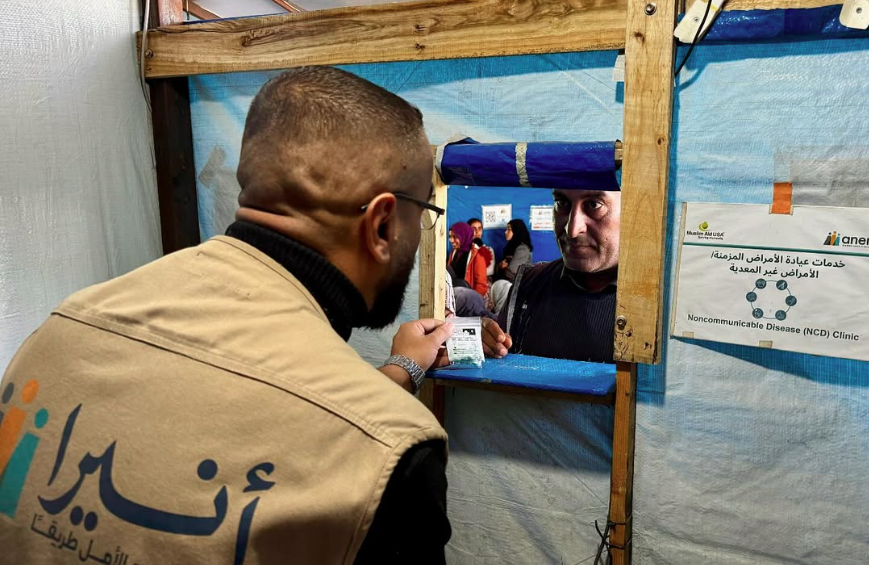
Yet these efforts barely meet a fraction of the demand.
“There is a huge problem with shelter. There aren’t enough tents. Israel hasn’t been allowing enough in.
“People are starving every day. A growing number of Palestinians, including children, are dying each day of starvation and of diseases that would normally be preventable,” Carroll said.
He explained that supply lines for medicines and medical equipment have been cut to “almost nothing,” leaving clinics and hospitals unable to treat even basic illnesses. The combination of malnutrition, lack of calories and the spread of contagious diseases in unhygienic conditions is proving deadly.
Carroll called for a ceasefire and the immediate opening of all border crossings to allow unrestricted aid.
“We know that 600 to 700 trucks can enter Gaza every day, that was the level before Oct 7 and even during the brief ceasefire earlier this year.
“That is the scale of aid that is needed, not the average of just over 100 trucks a day we have seen over the past two years,” he said.
Download Sinar Daily application.Click Here!


